Our Location:
No. 99, Jiazi Road, Chengdu

 authorChris Lee
Chongqing is a vertical mountain city where streets sit on rooftops, metro trains pass through buildings, and a short walk on a map can turn into a staircase workout. That is exactly what makes it memorable—and what makes poor planning exhausting.
This Chongqing travel guide helps first-time foreign visitors decide whether the city fits their travel style, how long to stay, where to base themselves, and what to prepare before arriving.
Yes—for the right traveler.
TripChina Verdict: Chongqing is one of China’s most distinctive big-city experiences, but it rewards travelers who arrive prepared for hills, stairs, crowds and sometimes confusing navigation. If you want a slow, low-effort city break, Chengdu may be easier. If you enjoy cities that feel unlike anywhere else, Chongqing deserves serious consideration.
Chongqing is not Beijing, Shanghai or Chengdu.
Its identity comes from geography.
Built around steep hills and the Yangtze and Jialing rivers, the central city operates vertically. A building entrance at street level on one side can emerge many floors higher onto another road. Elevated rail, bridges, staircases, tunnels, hillside neighborhoods and riverfront roads overlap in ways that make ordinary two-dimensional maps surprisingly misleading.
That is the source of the much-used “8D city” nickname.
The appeal is not simply seeing one famous attraction. It is walking through a city that repeatedly makes you question which level of the city you are actually standing on.
Chongqing is especially rewarding for:
The city is also particularly good for travelers who enjoy wandering. Some of my favorite Chongqing moments have come from climbing an ordinary staircase, entering what looks like a ground floor, and discovering that the exit on the other side opens onto a completely different level of the city.
Think carefully before building a walking-heavy itinerary if you have limited mobility, travel with a stroller, or simply dislike stairs and steep slopes.
That does not mean these travelers cannot visit Chongqing. It means the itinerary should rely more heavily on metro, elevators, taxis and DiDi rather than old streets and long citywalks.
Travelers who strongly dislike spicy food should also plan meals more deliberately, although Chongqing is not a city where every single dish must contain chili.
The same terrain that makes Chongqing fascinating makes it tiring.
In a flat city, a 1-kilometer route is mostly a distance problem. In Chongqing, it can also be an elevation problem.
Do not try to “beat” the city by scheduling more attractions. Leave extra time between stops. Getting slightly lost, finding an unexpected staircase, or discovering a strange multi-level street is part of the experience.
For most first-time visitors, 2 full days is the sweet spot.
Here is the practical difference:
| Stay Length | What It Works For | Main Trade-Off |
|---|---|---|
| 1 day | Quick introduction to central Chongqing | Very rushed |
| 2 days | Core city sights, food and night views | Best balance for most first-timers |
| 3–4 days | City plus deeper neighborhoods or one major day trip | Better for photographers and slower travelers |
| 5+ days | Chongqing plus multiple outer-district destinations | Best for deeper regional exploration |
Only if Chongqing is a stop inside a larger China itinerary.
You can get a first impression of the central city, but trying to combine Liziba, Jiefangbei, Hongyadong, the Yangtze River Cableway and a long mountain-city walk in a few hours quickly becomes a box-ticking exercise.
If walking is one of your priorities, TripChina’s comparison of eight Chongqing citywalk routes can help you choose one route rather than trying to cover several disconnected areas.
Two days gives you enough breathing room to combine Chongqing’s three strongest experiences:
the vertical city + local food + night views.
You can explore central Yuzhong, see Liziba, experience one proper walking area, ride or photograph the cableway, eat hotpot without rushing, and dedicate part of an evening to the skyline.
The key is not to overload each day.
Stay longer if you are a serious photographer, want slower neighborhood exploration, or plan a full-day excursion outside the central city.
Two of the best-known options are Wulong Karst and the Dazu Rock Carvings. Both deserve their own day rather than being squeezed into a central-Chongqing itinerary.
For the cultural option, TripChina’s Dazu Rock Carvings guide explains how to see the site without treating it as a quick photo stop.
Yes. The two cities work particularly well together because they offer very different experiences.
Chengdu feels flatter, slower and more relaxed; Chongqing feels steeper, denser and more visually dramatic.
Do not turn the pairing into a same-day Chongqing sightseeing trip from Chengdu. Stay overnight and give Chongqing enough time to become more than a train-station detour.
If you are traveling between the cities independently, TripChina’s China train ticket guide for foreign travelers explains passport verification, 12306 and alternative booking options.
There is no single perfect month, but spring and autumn are generally the easiest seasons for a first visit.
| Season | What to Expect | Best For | Main Drawback |
|---|---|---|---|
| Spring | Mild to warm, changing weather | Walking, city exploration | Rainy periods possible |
| Summer | Hot and humid | Nightlife, indoor + evening itineraries | Heat can make daytime walking exhausting |
| Autumn | Generally comfortable for outdoor sightseeing | First trips, photography, citywalks | Holiday crowds around National Day |
| Winter | Cool, damp and often hazy or foggy | Food-focused trips, fewer crowds | Reduced skyline visibility |
March through May is generally a good period for long walks and outdoor sightseeing.
Temperatures vary considerably across the season, so check the forecast shortly before departure rather than packing for a fixed “spring temperature.”
It can be.
Chongqing is famous for hot, humid summers, and the real problem for travelers is not simply the temperature reading—it is combining heat with long climbs, crowded outdoor areas and limited shade.
If summer is your only option, build the day differently: outdoor sightseeing earlier, air-conditioned activities during the hottest hours, then return outside for food and night views.
Autumn usually offers a better balance between walking comfort and visibility.
That makes it especially attractive for first-time visitors who want to combine mountain-city walking with Chongqing’s river and skyline views.
The major exception is National Day Golden Week around the beginning of October, when visitor numbers can increase dramatically.
Before locking in your dates, check TripChina’s China public holiday and crowd calendar.
Yes, especially if food and city atmosphere matter more to you than perfect skyline photography.
Cool, damp conditions and fog can reduce distant views, but winter also changes the feel of the city. Hotpot becomes even more satisfying when you step in from a cold evening.
Chongqing can work across a wide range of budgets. The figures below are planning estimates rather than fixed prices, and accommodation is usually the biggest variable.
| Budget Level | Estimated Daily Cost | Accommodation Style | Food Style | Transport | Best For |
|---|---|---|---|---|---|
| Budget | ¥200–400 | Hostel / basic hotel | Noodles, snacks, simple meals | Mostly metro | Backpackers |
| Mid-range | ¥500–900 | Central mid-range hotel | Hotpot + local restaurants | Metro + occasional DiDi | Most independent travelers |
| Comfort / Luxury | ¥1,000+ | Higher-end hotel | Restaurants + premium dining | Frequent taxis / private transfer | Comfort-focused trips |
These estimates exclude long-distance transport to Chongqing and can rise substantially during major holidays.
Chongqing has an unusual advantage for budget travelers: many of its memorable experiences are simply views, streets and urban spaces.
Jiefangbei, mountain-city streets, public riverfront viewpoints and many walking areas do not require expensive tickets.
Spend selectively on experiences that genuinely add something—rather than assuming every famous place needs a paid tour.
For most first-time visitors, Jiefangbei is the easiest all-round base, but it is not automatically the best choice for everyone.
| Area | Best For | Advantage | Trade-Off |
|---|---|---|---|
| Jiefangbei | First-time visitors | Central access to major sights | Busy and often pricier |
| Jiangbei / Guanyinqiao | Transport + nightlife | Good amenities and value | Metro needed for many Yuzhong sights |
| Nan’an / Nanbin Road | Night views | Riverfront atmosphere | Less convenient for some daytime sightseeing |
| Shapingba | Budget + local feel | Lower-cost options | Longer commute to central sights |
It puts you close to many of the places first-time visitors are already likely to visit.
That convenience matters more in Chongqing than it might elsewhere because a “cheap hotel only 2 km away” can be surprisingly inconvenient when hills, river crossings and metro exits are involved.
Choose Nan’an if skyline views and a quieter riverfront atmosphere matter more than being in the middle of Yuzhong.
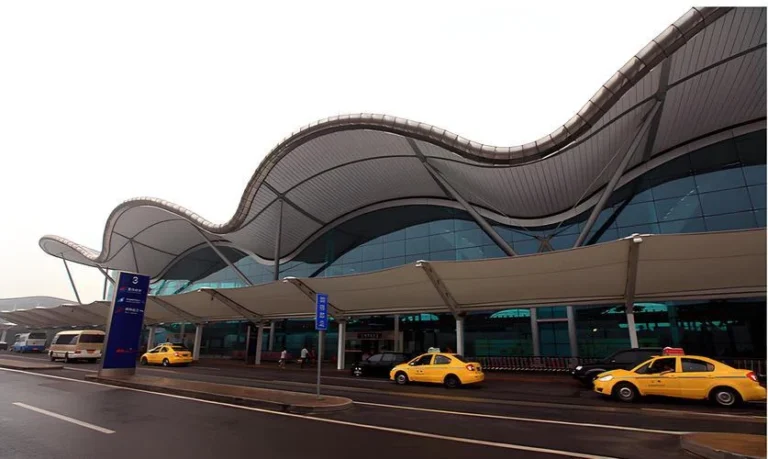
Jiangbei can work well if you value shopping, nightlife or easier access toward the airport side of the city.
Shapingba is useful for travelers prioritizing price or places such as Ciqikou.
Before booking, read TripChina’s detailed where to stay in Chongqing guide. In Chongqing, choosing the right location and elevation can matter more than gaining an extra hotel star.
Foreign visitors booking accommodation elsewhere in China should also understand the current registration and hotel-booking system; TripChina’s China hotel booking guide for foreign travelers explains the practical side.
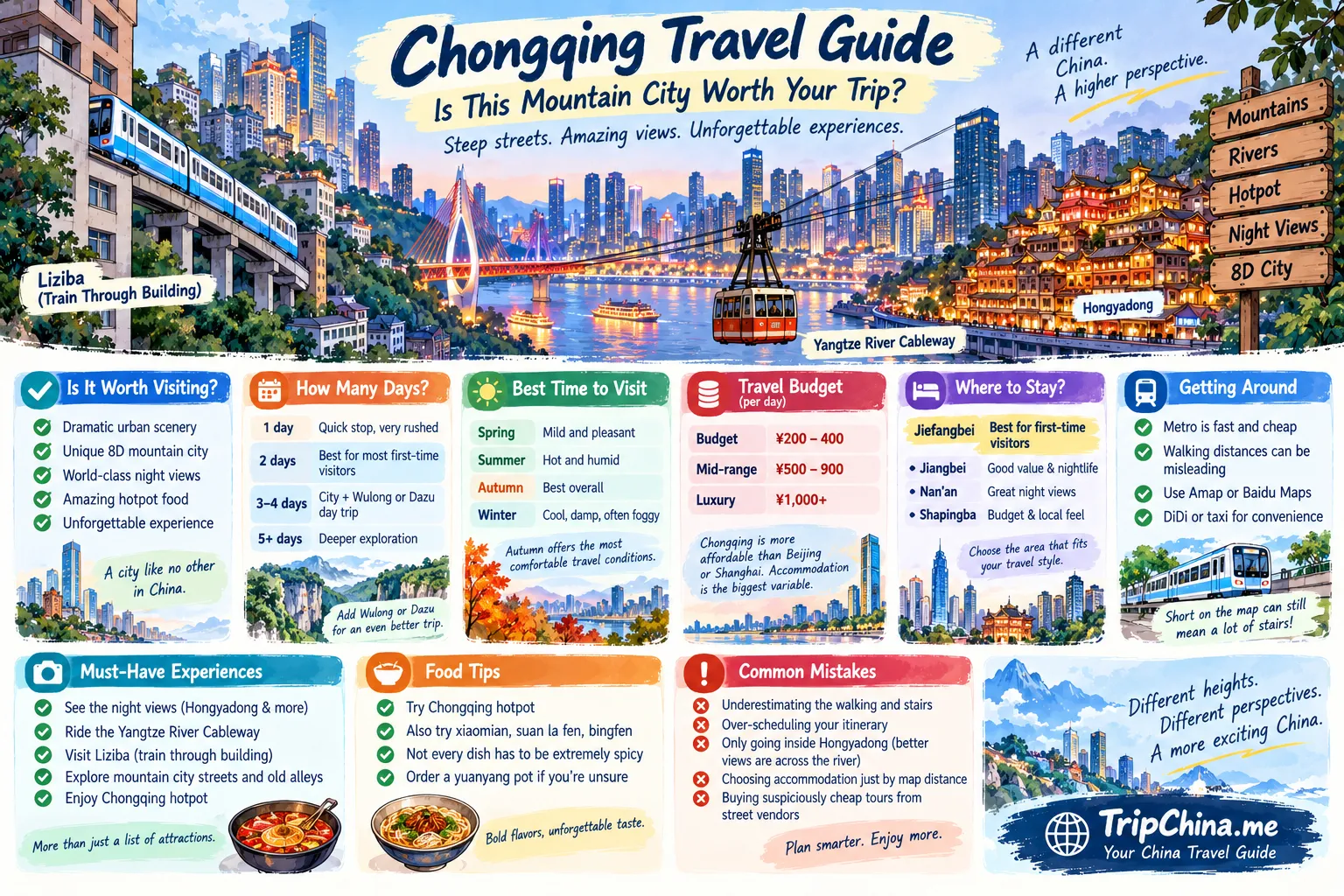
Yes by public transport; less so on foot.
The metro is usually the backbone of a first-time itinerary. The challenge begins after you leave the station.
Chongqing’s rail network connects the main visitor areas efficiently and avoids much of the road congestion.
The unusual part is the exits.
Two exits from the same station can put you at different elevations or on different sides of a complicated road system. Do not automatically choose the exit that appears geographically closest to your destination.
A straight line on a map does not show the whole route.
Stairs, elevated roads, tunnels, bridges and building levels can turn a seemingly short walk into a much longer one.
This is why I would never choose a Chongqing hotel purely by looking at the distance pin on a map.
Do not build your Chongqing trip around Google Maps.
Amap (Gaode) and Baidu Maps provide much better local mapping data, although the interface can still take some adjustment for non-Chinese speakers.
TripChina’s China navigation-app guide for overseas visitors explains the main options and what to set up before arrival.
Use ride-hailing when you have luggage, finish late at night, travel in a group, or need to reach a hilltop destination that is awkward by metro.
Save your destination in Chinese before requesting the ride.
If you have never used Chinese ride-hailing, set it up before you need it with TripChina’s DiDi guide for travelers without a Chinese phone number.
Do not think of Chongqing as a list of attractions.
Its strongest experiences fall into three categories.
Hongyadong is the famous image, but the best view is often toward Hongyadong rather than from inside it. Entry is free but requires advance reservation via its official WeChat mini‑program. Peak crowds hit between 7 PM‑9 PM. For fewer crowds, visit around 6:30 PM for sunset and light‑up, or after 9:30 PM. Across‑river viewpoints and elevated locations reveal the scale of the city far better.
Across-river viewpoints and elevated locations reveal the scale of the city far better.
The Yangtze River Cableway is another classic experience. As of September 2026, the government-set maximum fare remains ¥30 one way and ¥50 round trip. The official Chongqing government attraction page lists regular seasonal operating hours, but temporary maintenance or operational adjustments can occur, so check again shortly before visiting.
For photography locations, timing and quieter alternatives, use TripChina’s Chongqing Night View Guide.
Liziba Station is the obvious starting point: Line 2 passes directly through a building.
But the deeper Chongqing experience comes from walking.
Shancheng Trail, old hillside streets, stairs between neighborhoods and multi-level roads reveal why the city feels so strange in a way that one observation deck cannot.
Yes—but only if you have enough time.
Wulong Karst is the natural-landscape choice, while Dazu Rock Carvings is the stronger choice for travelers interested in history, Buddhist art and cultural heritage.
Wulong Karst is UNESCO-listed, and current official tourism information continues to identify the Three Natural Bridges as one of the area’s major attractions.
Treat either destination as a full-day commitment and check current admission, transport and weather conditions before departure.
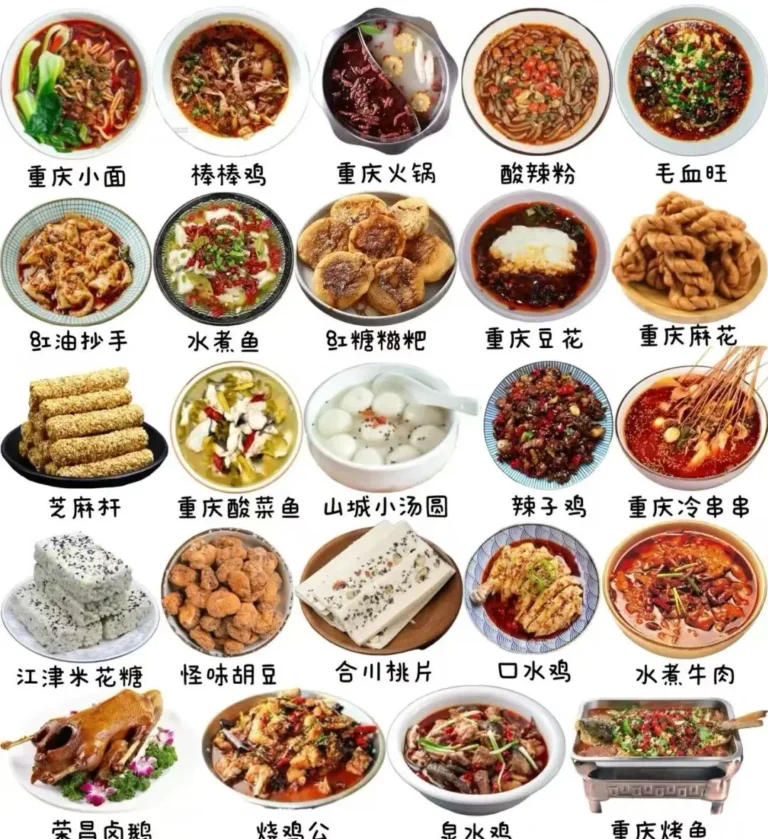
Chongqing’s signature experience is hotpot: ingredients cooked at the table in a rich, often aggressively spicy broth.
But “Chongqing food” does not mean every meal must be painfully hot.
If you are unsure about your tolerance, order a yuanyang pot (鸳鸯锅) with separate spicy and mild broths.
Do not treat “mild” as an internationally standardized level. Ask clearly for less chili if necessary.
The classic Chongqing dipping combination is much simpler than many visitors expect—often sesame oil, garlic and optional additions rather than a heavy peanut-style sauce.
Good first-timer choices include:
For dishes, ordering advice and food-specific traps, see TripChina’s Chongqing food guide for foreign travelers.
The biggest preparation problems are digital rather than cultural.
Set up at least one mobile-payment option before you need it.
Foreign visitors can register for Alipay or WeChat and, subject to the payment platform and issuing bank, link supported overseas bank cards. China’s official guidance also confirms that RMB cash remains a valid payment option, so carrying some cash as backup is sensible.
TripChina’s China payment guide for Alipay, WeChat Pay, cards and cash walks through the options.
Yes. Navigation, translation, ride-hailing, ticketing and payment become much harder when your phone is offline.
If you have not decided between roaming, an eSIM and a local SIM, use TripChina’s China eSIM vs SIM guide before departure.
Keep your passport available when a booking, hotel check-in or identity verification requires it.
As of August 2026, Chongqing’s Culture and Tourism Development Commission says the city is expanding support for passports and other valid overseas identification documents in online attraction reservation systems, alongside more English-language booking information.
That is a meaningful improvement for independent foreign travelers, but individual attractions can still use different booking procedures. Check the current official channel for any attraction that requires advance entry arrangements.
Trusting straight-line map distance. Always check the actual walking route, elevation and metro exit before assuming two places are close.
Over-scheduling. Chongqing’s terrain makes an itinerary more tiring than the same number of kilometers in a flat city. Give yourself breathing room.
Going to Hongyadong only to stand inside the crowd. If photography is your goal, think about where you can see the building from rather than simply entering it.
Choosing accommodation far from useful transport because it looks close on a map. This is one of the easiest ways to turn every sightseeing day into a commute.
Buying suspiciously cheap day tours from unsolicited sellers. Compare what is actually included and use established booking channels rather than deciding on headline price alone.
For a deeper breakdown, TripChina’s Chongqing travel mistakes and tourist traps guide covers the city-specific problems worth knowing before arrival.
Traveling during Spring Festival or National Day Golden Week. Expect extreme crowds, inflated hotel rates and long queues at all popular landmarks.
If you want a broader month‑by‑month breakdown of weather, regional conditions and travel windows across the country, read our full guide: Best Time to Visit China.
Yes, but change the pace. Build shorter sightseeing blocks, use the metro or ride-hailing between areas, and avoid stacking several stair-heavy old streets into one day.
For younger children, the issue is usually fatigue rather than a lack of things to see.
2026 Sanfu hot period runs July 15‑August 23. If summer is your only option, build the day differently: outdoor sightseeing earlier, air‑conditioned activities during the hottest hours, then return outside for food and night views.
Yes, but your phone matters.
Metro signage in major visitor areas is manageable, while translation and local map apps solve many day-to-day problems. Save important destinations in Chinese so you can show the text to drivers or staff rather than relying on pronunciation.
It can be, especially if dramatic urban scenery is one of your main reasons for visiting China.
However, Chongqing has a steeper learning curve than flatter cities because navigation, elevation and local mapping all matter at once. Travelers who want the easiest possible introduction to China may prefer to visit Beijing, Shanghai or Chengdu first and add Chongqing later in the trip.
Chongqing is not a city I would recommend to every traveler—and that is part of its appeal.
If you enjoy dramatic urban landscapes, local food, photography and the feeling of discovering a city rather than simply moving between attractions, Chongqing is absolutely worth visiting. Give it at least two full days, stay somewhere well connected, and leave more room in your itinerary than the map suggests.
The city may exhaust you and confuse you a little.
That is also why you are likely to remember it.
Chongqing Municipal Government — Yangtze River Cableway — Current official attraction information, seasonal operating hours and access.
Chongqing Development and Reform Commission — Yangtze River Cableway Fare — Official ¥30 one-way / ¥50 round-trip maximum fare.
Chongqing Culture and Tourism Development Commission — Overseas Visitor Booking Services — Current information on passport-supported attraction reservations and multilingual tourism services.
The State Council of China — Payment Service Guide for Overseas Visitors — Official guidance on mobile payments, overseas bank cards and RMB cash.
Note: All source links are Chinese‑language official government websites; all factual data has been extracted and translated for this guide.This guide combines the author’s first-hand Chongqing travel perspective with current municipal and national government information. Time-sensitive claims on Yangtze River Cableway fares and operating hours, foreign-passport attraction booking, and payment options were rechecked against official sources. Budget ranges are planning estimates rather than official prices. Attraction procedures, transport operations, weather and prices can change, so verify time-sensitive details shortly before travel.
Ready to visit China without spending weeks researching? TripChina.me Premium Travel Guides combine optimized itineraries, booking workflows, local recommendations, and backup plans to help independent travelers experience China with confidence.