Our Location:
No. 99, Jiazi Road, Chengdu

 authorChris Lee
Beijing rewards careful planning. But a missed reservation, a distant attraction or a poorly planned transfer can easily cost you an entire day.
The Forbidden City, the Great Wall, imperial gardens and traditional hutongs all deserve consideration. But which should you book first? How many days do you need? And which experiences are actually worth your time?
This Beijing travel guide for first-time visitors helps independent travelers plan the essentials: seasons, itineraries, tickets, accommodation, transport, food, budgets and common mistakes
Plan four full sightseeing days if possible. Reserve the Forbidden City early, give the Great Wall its own day, stay near a useful subway station and leave time to explore old Beijing beyond the major monuments.
| Planning Question | TripChina Recommendation |
|---|---|
| Is Beijing worth visiting? | Yes, especially for imperial history, the Great Wall and traditional neighborhoods |
| Ideal trip length | 4–5 days; 3 full days is possible but tighter |
| Best time to visit | April–May and September–October, outside major holidays |
| First booking priority | Forbidden City, then other date-sensitive attractions |
| Best Great Wall choice | Mutianyu for many first-timers; Badaling for convenient rail access |
| Best areas to stay | Wangfujing/Dongdan, Qianmen, Dongsi or other well-connected central areas |
| Best local transport | Subway, walking and occasional DiDi |
| Essential experiences | Forbidden City, Great Wall, Temple of Heaven, Summer Palace and hutongs |
| Biggest mistake | Assuming Beijing's major attractions are close together |
TripChina Pick: Build your itinerary around your most difficult reservations and the geography of the city—not a checklist of famous landmarks.
This guide provides the overall planning framework. Detailed ticket-booking walkthroughs, transportation instructions, attraction routes and restaurant recommendations are covered in the linked specialist guides.
Yes. Beijing offers a combination of imperial architecture, UNESCO-recognized heritage, traditional neighborhoods and the Great Wall that is difficult to find elsewhere.
You can explore the Palace Museum in the morning, walk through historic hutongs later in the day and finish with Beijing roast duck or copper-pot hotpot.
But Beijing is enormous. Monumental spaces, long security queues and widely separated attractions make overplanning a common problem.
For most first-time visitors, Beijing deserves at least three full days. Four or five days provides a better balance between sightseeing and neighborhood experiences.
April–May and September–October are generally the most comfortable periods for outdoor sightseeing.
Beijing has four distinct seasons, and both weather and domestic holiday crowds can affect your experience.
| Season | Typical Experience | Best For | Main Drawback |
|---|---|---|---|
| Spring (Mar–May) | Warming temperatures, blossoms, occasional wind and dust | Parks, gardens, city walks | Variable weather and May holiday crowds |
| Summer (Jun–Aug) | Hot, humid periods and summer rain | Families and longer daylight | Heat, storms and school holiday crowds |
| Autumn (Sep–Nov) | Often mild with colorful foliage | Great Wall, photography and walking | National Day crowds |
| Winter (Dec–Feb) | Cold, dry weather and occasional snow | Winter architecture and quieter outdoor visits | Short days and exposure to cold |
Beijing's spring scenery can be beautiful, but April and May also bring airborne poplar and willow catkins—cotton-like fluff that can irritate your eyes, nose and throat.
The main catkin season typically runs from early April into May. If you're sensitive to airborne particles, carry sunglasses and a comfortable mask. Morning walks or outings after rain may be more pleasant.
If crowd levels matter to you, avoid the busiest days around China's National Day holiday in early October, the May Day holiday and other major public holidays.
Popular attractions, hotels and transport services can become particularly busy.
You don't need to avoid an entire season. Instead, check the actual holiday calendar and place highly popular sites on less crowded dates where possible.
Our China travel seasons and public holiday planning guide explains the broader calendar.
Four days is the best starting recommendation for a first Beijing visit.
Three days allows the major sights, but you will need to make choices. Five days is more comfortable if you enjoy museums, gardens and local neighborhoods.
| Trip Length | Recommended Focus | Trade-Off |
|---|---|---|
| 1 day | One imperial-center cluster | Cannot experience Beijing comprehensively |
| 2 days | Forbidden City area + Great Wall | Very little time for other sights |
| 3 days | Imperial center + Great Wall + one additional city day | Tight but workable |
| 4 days | Add a dedicated Summer Palace and hutong day | Balanced |
| 5 days | Add more museums, local walks or contemporary Beijing | More relaxed |
| 6–7 days | Additional day trips and specialized interests | Best for slower travel |
Do not count a late international arrival as a full sightseeing day.
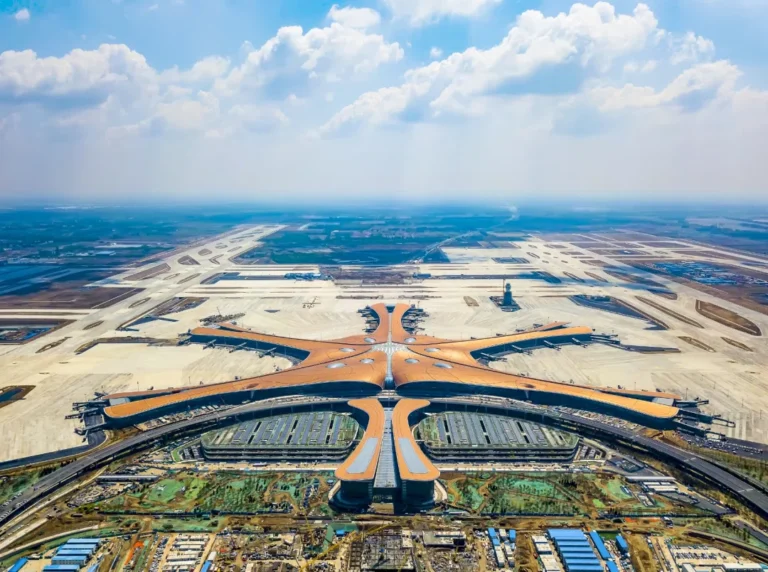
If you arrive at Daxing Airport in the evening, you may only have time to reach your hotel and eat dinner.
The most practical approach is to group attractions geographically and give the Great Wall a separate day.
| Day | Main Plan | Why This Order Works |
|---|---|---|
| Day 1 | Tiananmen area → Forbidden City → Jingshan Park | Groups central imperial sights |
| Day 2 | Mutianyu or Badaling Great Wall | Avoids combining a distant excursion with city attractions |
| Day 3 | Temple of Heaven → Qianmen → Dashilan → Yangmeizhu Xiejie | Keeps sightseeing in southern and central Beijing |
Spend roughly three to four hours inside the Forbidden City, depending on your interests and entry time.
Important: Tiananmen Square has its own access arrangements, and the Palace Museum is normally closed on Mondays. Confirm both before fixing Day 1.
Follow the three-day plan, then add:
| Day | Main Plan | Why |
|---|---|---|
| Day 4 | Summer Palace → relaxed evening around Shichahai or another neighborhood | Gives the imperial garden a proper half-day without rushing |
The Summer Palace is northwest of the main imperial center. It is better treated as a separate block than squeezed between the Temple of Heaven and a Great Wall excursion.
| Day | Main Focus |
|---|---|
| Day 1 | Tiananmen area, Forbidden City and Jingshan Park |
| Day 2 | Great Wall day trip |
| Day 3 | Temple of Heaven, Qianmen, Dashilan and nearby food |
| Day 4 | Summer Palace and optional Yuanmingyuan Ruins Park |
| Day 5 | Hutongs, Shichahai, Drum Tower area or 798 Art District |
Choose the Day 5 activities according to your interests. Shichahai and 798 are not next door to each other, so avoid turning the final day into repeated cross-city transfers.
TripChina Tip: If you only have three days, do not automatically combine the Temple of Heaven and Summer Palace. They sit in very different parts of Beijing, and the transfer can consume valuable sightseeing time.
For most first-time visitors, the best sights represent different sides of Beijing rather than more variations of the same imperial experience.
| Experience | Why Visit | Suggested Time |
|---|---|---|
| Forbidden City | Imperial history and palace architecture | 3–4 hrs |
| Great Wall | Historic fortifications and mountain views | Most of a day |
| Temple of Heaven | Imperial ritual architecture and local park life | 2–3 hrs |
| Summer Palace | Imperial gardens, lake scenery and architecture | Half day or longer |
| Jingshan Park | Panoramic views toward the Forbidden City | 45–90 min |
| Shichahai and hutongs | Traditional lanes and neighborhood culture | 2–3 hrs |
| 798 Art District | Contemporary art and converted industrial spaces | 2–3 hrs |
Yes, for most first-time travelers.
The Palace Museum is one of Beijing's most important cultural sights. It rewards visitors interested in imperial history, palace courtyards and traditional architecture.
Avoid rushing only along the central axis. Allow time for selected side galleries if your ticket and schedule permit.
Choose Temple of Heaven if you prefer a shorter architecture-focused visit that fits a central Beijing itinerary.
Choose Summer Palace if you prefer gardens, lakes, walking and a more expansive outdoor experience.
Both are worthwhile, but with only three days you may need to choose one.
Mutianyu is a strong all-round choice for many first-time visitors. Badaling can be easier for travelers who want to use high-speed rail, while Jinshanling suits more experienced hikers and photographers.
| Great Wall Section | Best For | Main Advantage | Main Trade-Off |
|---|---|---|---|
| Mutianyu | First-timers, couples and many families | Scenic restored sections and uphill transport options | Road travel and additional service choices |
| Badaling | Independent rail travelers | Convenient high-speed rail connection | Can be crowded |
| Jinshanling | Hiking and photography | Rugged mountain scenery | Longer transfers and tougher walking |
Do not assume so.
The scenic-area entrance ticket, internal shuttle, cable-car or chairlift services, and downhill toboggan can be separate products.
The toboggan and other mountain transport facilities may be suspended because of wind, rain, snow, maintenance or operational restrictions. Availability is not guaranteed simply because the scenic area is open.
Check the current package inclusions and operating notices before booking.
For a more detailed route decision, see our Beijing Great Wall comparison covering the major sections.
The Great Wall should usually be your first day trip.
If you have more time, consider the Ming Tombs (明十三陵) in Changping District, northwest of central Beijing. The imperial tomb complex appeals especially to visitors interested in Ming history and architecture.
Several tombs and the Sacred Way can be visited under their respective access arrangements; some less frequently opened sites require additional reservations or guided access.
Avoid trying to include the tombs and a long Great Wall hike without checking actual transport times and opening arrangements.
What should you book first in Beijing? Start with the Forbidden City. Then check Tiananmen Square access requirements, National Museum of China reservations, and Great Wall tickets for your preferred date.
These attractions have different booking rules. Secure the most restrictive reservations first, then organize the rest of your itinerary around confirmed dates.
| Attraction | Booking Priority | Foreign Visitor Reminder |
|---|---|---|
| Forbidden City | Very high | Advance reservation, passport details and original document |
| Tiananmen Square | Check separate access rules | Separate reservation or a qualifying designated-venue booking |
| National Museum of China | High—popular dates, especially weekends and public holidays, can fill quickly | Reserve in advance using accepted identification; bring the original document used for booking |
| Great Wall | High in peak seasons | Confirm admission, shuttle and cable-car arrangements |
| Summer Palace | Moderate | Check general admission versus combined tickets |
| Temple of Heaven | Moderate | Park admission and entry to the main historic structures differ |
| Universal Beijing Resort | High for fixed dates | Admission and express products are distinct |
Yes. Foreign visitors can book Forbidden City tickets online using their passports. Under the Palace Museum's published booking rules, tickets go on sale seven days before the visit at 8:00 PM Beijing time.
Reservations are tied to the visitor's identity document. Bring the original passport used for booking. The museum does not sell ordinary same-day admission tickets.
The Palace Museum is normally closed on Mondays, subject to announced exceptions.
Popular dates can sell out, so use the official booking channel as early as practical after sales open. Opening the page at the release time does not guarantee availability.
Do not assume you can simply buy an ordinary ticket at the entrance.
Check the official booking system for any returned availability, but do not rely on an unannounced waiting list or supposed guaranteed third-party access.
If you cannot secure a ticket, consider Jingshan Park, Beihai Park or a historic neighborhood walk as a replacement for that day.
Do not pay an unsolicited seller for a supposed unofficial entrance.
The full passport booking and entry process is covered in our Beijing attraction ticket reservation handbook.
Yes. Foreign visitors should check Tiananmen Square's separate real-name reservation requirements before visiting. Entry is free, but it is not automatically unrestricted.
Some visitors holding valid reservations for designated nearby attractions, such as the National Museum of China, may qualify for alternative access arrangements under the published rules.
Do not assume your Forbidden City ticket automatically covers every Tiananmen Square entry requirement. Verify the applicable procedure, passport details and entrance arrangements before arrival—especially if you plan to watch the flag-raising ceremony.
Beijing includes both major ticketed monuments and worthwhile free public spaces.
| Experience | Admission | Editorial Recommendation |
|---|---|---|
| Forbidden City | Paid | High priority for first-timers |
| Great Wall | Paid at managed sections | Worth a dedicated day |
| Temple of Heaven | Basic and combined admission options | Choose based on which halls you want to enter |
| Summer Palace | General and combined ticket options | Worthwhile for gardens and scenery |
| Public hutong streets | Generally free | Excellent local experience |
| Tiananmen Square | Free, subject to entry arrangements | Add when geographically convenient |
| 798 public streets | Generally free; exhibitions may charge | Best for contemporary art interests |
Don't buy the most expensive combined ticket automatically.
Choose the ticket that matches the areas you actually plan to visit.
The best strategy is to avoid major holiday peaks, reserve high-demand attractions early and limit the number of major sights per day.
Security checks, group arrivals and ticket time slots can affect crowd conditions even on otherwise quiet days.
If you visit the Forbidden City, Jingshan Park is a logical nearby continuation. A distant attraction across Beijing is usually a less efficient next stop.
One major reservation and one flexible neighborhood experience often make a better day than three difficult attractions.
Choose your hotel based on real transport access, not simply its distance from the Forbidden City on a map.
| Area | Best For | Trade-Off |
|---|---|---|
| Wangfujing / Dongdan | First visits, central sights and transport | Busy streets and potentially higher hotel prices |
| Qianmen / Dashilan | Historic atmosphere and southern central-axis sights | Tourist crowds and varying hotel standards |
| Dongsi / Dongcheng hutongs | Traditional neighborhoods with useful metro connections | Some properties have limited facilities |
| Shichahai / Xicheng | Hutong atmosphere, Beihai Park and local walks | Metro convenience differs by property |
| Guomao / Chaoyang CBD | Modern hotels, business travel and international dining | Longer trips to some historical attractions |
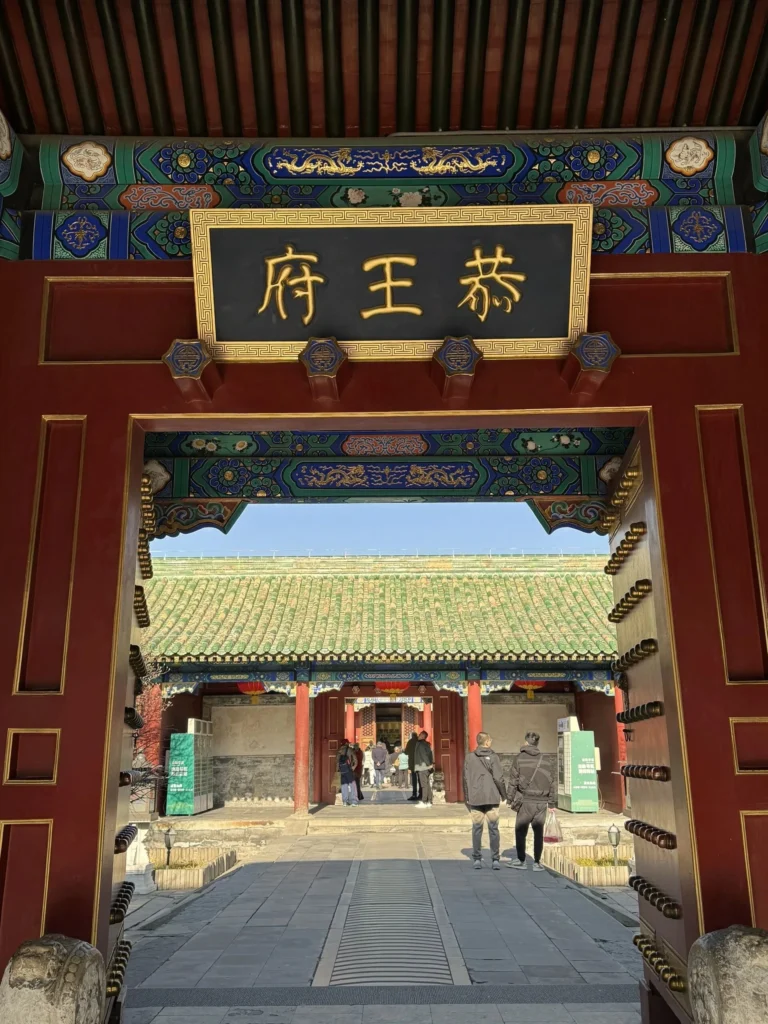
Geography matters: The Temple of Heaven is in Dongcheng District. Xicheng includes areas such as Shichahai, Beihai Park, Gongwangfu (Prince Gong's Mansion) and Niujie.
Do not treat all of Dongcheng, Xicheng or Chaoyang as equally convenient. Each district covers a substantial area.
For a practical neighborhood-by-neighborhood decision, read our Beijing hotel area guide for first-time visitors.
Yes.
Confirm that the property can process your passport check-in, and review the actual room facilities, elevator availability, cancellation terms and transport connections.
Hotels normally handle the required guest accommodation registration during check-in. Private residential stays can involve different registration responsibilities.
Our China hotel versus private-stay registration guide explains the distinction.
Check whether your flight lands at PEK or PKX before arranging transport.
| Airport | Rail Connection | Key Planning Issue |
|---|---|---|
| Beijing Capital (PEK) | Capital Airport Express toward Dongzhimen and intermediate stations | Check onward metro transfers |
| Beijing Daxing (PKX) | Daxing Airport Express toward Caoqiao | Allow time to reach your hotel after changing lines |
| Either airport | Taxi or DiDi | Traffic, luggage and operating hours affect convenience |
Airport rail services are often attractive during road traffic peaks, but each line has its own timetable. Do not assume either service operates throughout the night.
The correct choice depends on your arrival time and hotel location.
Our Beijing airport transfer guide covering PEK and PKX explains the detailed options.
For most independent travelers, subway + walking + occasional DiDi is the most practical combination.
The subway is useful across major districts. DiDi can help with luggage, late returns or less convenient final connections.
| Transport | Best For | Main Limitation |
|---|---|---|
| Subway | Most everyday city sightseeing | Transfers, stairs and station walking |
| DiDi / taxi | Luggage, families and specific destinations | Road congestion and pickup restrictions |
| Walking | Hutongs, Qianmen, central historical areas | Large distances and seasonal weather |
| Bus | Selected local and suburban trips | More difficult route navigation for first-timers |
Yes. Foreign visitors can tap eligible international contactless bank cards directly at Beijing subway fare gates. You do not necessarily need to buy a separate ticket or set up a transport QR code first.
Supported networks include Visa, Mastercard, JCB, American Express and UnionPay, subject to card and terminal compatibility. Make sure your card supports contactless payments before relying on it.
Some ticket-purchase options also accept supported foreign bank cards. If your card fails, ask station staff about another payment option.
Service hours vary by line and station. Do not assume all routes operate until the same late-night time.
Read our Beijing subway guide for foreign travelers for practical fare-payment and connection advice.
For car journeys, the DiDi ride-hailing guide for foreign visitors explains app setup and pickup arrangements.
Beijing offers much more than roast duck.
| Dish | Chinese Name | Why Try It |
|---|---|---|
| Beijing roast duck | 北京烤鸭 | The city's signature meal |
| Copper-pot mutton hotpot | 铜锅涮肉 | Traditional shared meal, especially appealing in colder weather |
| Zhajiangmian | 炸酱面 | Savory noodles with soybean paste |
| Jianbing | 煎饼 | Popular breakfast crepe |
| Dumplings | 饺子 | Flexible and familiar comfort food |
| Douzhi | 豆汁 | Traditional fermented drink with a distinctive taste |
| Traditional pastries | 北京糕点 | Local bakery culture |
For a first Beijing roast-duck meal, compare established restaurants in areas such as Dongsi, Beixinqiao and Gulou, rather than assuming the busiest Wangfujing snack stalls provide the best value.
Da Dong, Siji Minfu and Quanjude are recognizable restaurant names worth researching, but branch quality, prices, availability and reservation rules vary.
Check recent reviews for the specific location and confirm whether quoted meal prices include all accompaniments.
Wangfujing can still be worthwhile for shopping and sightseeing. It simply should not be treated as the city's definitive local-food experience.
For dining neighborhoods and more detailed food choices, use our Beijing local food and restaurant-area guide.
Yes.
Roast duck, many dumplings and several northern Chinese noodle dishes are not inherently chili-heavy.
Say 不要辣椒 (bú yào là jiāo) if you want to avoid chili peppers, and confirm ingredients separately if you have allergies or strict dietary restrictions.
Your Beijing daily travel budget depends mainly on accommodation, food, local transport and the number of paid attractions you visit.
The following estimates compare three travel styles. They are illustrative per-person daily budgets, assuming two travelers share a hotel room—not real-time quotations or verified citywide averages.
| Expense | Budget | Mid-Range | Comfortable |
|---|---|---|---|
| Shared hotel cost | ¥120–220 | ¥220–400 | ¥400–750+ |
| Food | ¥70–120 | ¥120–200 | ¥200–350+ |
| Local transport | ¥20–50 | ¥30–90 | ¥90–200+ |
| Attractions allowance | ¥40–100 | ¥60–150 | ¥100–250+ |
| Daily Planning Total | ¥250–490 | ¥430–840 | ¥790–1,550+ |
Budget Note: The daily estimates above exclude a dedicated Great Wall day trip, including intercity transfers, optional cable cars or toboggan rides, and guided-tour fees. Budget for that excursion separately.
International flights, intercity trains, shopping, major resort tickets and a dedicated Great Wall excursion are excluded.
Before booking, compare hotel rates for your actual dates and calculate the attractions you genuinely intend to enter.
A central hotel that costs slightly more may be worthwhile if it saves long daily transfers.
Yes, with some adjustments.
The Forbidden City, Summer Palace and Great Wall can be memorable, but all involve considerable walking.
Choose fewer large attractions per day, and check stroller access and rest facilities ahead of time.
Stay close to useful transportation, reduce changes between locations and review the walking demands of the Great Wall section you choose.
Cable cars can reduce uphill effort, but they do not make every Wall section fully accessible.
Independent Beijing travel is practical with functioning navigation, payment methods and translation tools.
Use established booking channels, save your hotel address in Chinese and be cautious about unsolicited commercial invitations.
Yes.
Beijing has extensive public transport and many attractions with English-language information.
Set up your navigation and payment apps before arrival. Test your mobile internet and translation tools, too.
Save your hotel's Chinese address and the Chinese names of major attractions.
For a streamlined checklist, see our seven essential apps for visiting China.
Access to many international services is restricted on ordinary mainland Chinese internet connections.
Some international roaming and travel connectivity products route traffic differently, but you should not assume every eSIM or pocket WiFi provides the same access.
Our China eSIM, SIM and pocket WiFi comparison explains the differences.
Mobile payments dominate many everyday transactions, but they are not the only accepted payment method.
Cash remains an important backup, while supported international bank cards work in a growing range of transport, hotel and retail situations.
Some small businesses may not have an international-card terminal.
Our China payment guide covering Alipay, foreign bank cards and cash explains how to prepare.
Visa rules depend on your nationality, passport, itinerary and current immigration policy.
China operates different entry arrangements, including visa-required tourism, nationality-based visa-free entry and the 240-hour visa-free transit policy.
The 240-hour transit policy is not the same as a general ten-day visa-free holiday.
Eligible travelers must meet the specified nationality, transit routing, onward-ticket and entry-port conditions.
As of October 2026, the policy covers 57 eligible countries, but visitors should check the current official list before travel.
A simple return itinerary to the same country does not automatically satisfy third-country or region transit requirements.
For entry requirements and visa categories, consult our China visa guide for foreign travelers.
Beijing becomes more interesting when you give some time to ordinary neighborhoods rather than only famous monuments.
| Experience | Why Choose It | Suggested Time |
|---|---|---|
| Quiet hutong walk | Courtyards and historic street patterns | 1–3 hrs |
| Beixinqiao / Dongsi neighborhoods | Local restaurants and urban life | 1–2 hrs |
| Wudaoying Hutong | Cafés and a more contemporary side of hutong culture | 1–2 hrs |
| Shichahai and surrounding lanes | Lakes and traditional neighborhoods | 2–3 hrs |
| Local breakfast stop | Daily Beijing food culture | 30–60 min |
| 798 Art District | Contemporary art and industrial reuse | 2–3 hrs |
Yes, as a lively commercial walking street—not as a guarantee of quiet, traditional residential Beijing.
For travelers seeking a calmer experience, explore suitable surrounding public lanes or choose another neighborhood away from the busiest pedestrian corridor.
Respect residential entrances and do not enter private courtyards without permission.
TripChina Tip: A short, thoughtful hutong walk can be more rewarding than adding another distant attraction to an already full day.
For first-time visitors, the Great Wall remains the highest-priority day trip.
Other options include the Ming Tombs, longer Great Wall hiking routes and selected cultural or natural attractions in the outer districts.
| Day Trip | Best For | Planning Consideration |
|---|---|---|
| Mutianyu Great Wall | First-time Wall experience | Road travel and optional uphill transport |
| Badaling Great Wall | Rail-based independent travel | Crowds and timed transport connections |
| Jinshanling Great Wall | Hiking and photography | Greater physical demands and longer travel |
| Ming Tombs | Imperial history | Different tomb areas and entry requirements |
| Beijing suburban nature areas | Outdoor travelers | Seasonal transport and opening conditions |
Avoid judging travel time from a simple map screenshot.
Confirm the actual door-to-door route and leave room for return transportation.
| Mistake | Better Approach |
|---|---|
| Booking the Forbidden City too late | Check the official seven-day release window |
| Assuming Tiananmen and Forbidden City share one universal reservation | Review the separate access arrangements |
| Confusing PEK and PKX | Verify your airport code |
| Combining the Great Wall with several city attractions | Reserve a dedicated Wall day |
| Booking a hotel based only on straight-line distance | Check actual subway and walking access |
| Assuming every Great Wall cable-car or slide service is included | Review ticket products and weather restrictions |
| Arriving with untested payment or navigation apps | Prepare payment, mapping and internet backups |
| Treating every highly rated tourist restaurant as good value | Compare branch-specific reviews and complete prices |
| Planning around old visa or ticket rules | Confirm official policies before departure |
The biggest mistake is trying to turn Beijing into a checklist.
A better trip combines important reservations, realistic travel distances and enough space for the unexpected.
Yes, if you prioritize the Forbidden City, a Great Wall day trip and one additional sightseeing day. Four or five days gives you more time for gardens and hutong neighborhoods.
April–May and September–October generally offer comfortable sightseeing weather. Avoid major Chinese holiday peaks if crowd levels matter to you.
Check the local Air Quality Index (AQI) before long outdoor visits, particularly if you have respiratory sensitivities. Conditions vary by day and season. If air quality is poor, reduce strenuous outdoor activities or switch to indoor museums. In spring, also prepare for dust, pollen and flying poplar or willow catkins.
Mutianyu is a strong option for scenery and many first-time visitors. Badaling is often more convenient for travelers using high-speed rail. Both can be visited independently.
Yes. Use the official real-name booking system and bring the original passport used for the reservation. The standard advance window opens seven days before the visit at 8:00 PM Beijing time.
Check the official system for returned availability, but do not expect ordinary walk-in tickets. Avoid unofficial sellers promising guaranteed entry. Jingshan Park or another historic area is a reasonable alternative if no ticket becomes available.
Generally yes, although eligible reservations for certain designated sites can provide alternative access arrangements under current rules. Verify the specific procedure for your visit.
Allow at least half a day, wear comfortable shoes and avoid assuming the whole garden can be seen in a short stop. The site is large, and some buildings or attractions may involve separate tickets.
Check whether you need only park admission or a combined ticket for the main historic structures. Visit earlier in the day for more comfortable walking, and allow approximately two to three hours.
Yes. The system provides English signs and supports eligible international contactless cards. Operating hours and payment compatibility vary, so keep an alternative method available.
Wangfujing/Dongdan, Qianmen and other well-connected central neighborhoods are useful starting points. A hotel near a convenient subway station often matters more than proximity to a single attraction.
Yes. Prepare mapping, translation, mobile internet and payment tools. Save destination names in Chinese and confirm attraction reservations before arrival.
Yes, but reduce the number of major attractions per day and review terrain, walking distances and accessibility facilities before booking.
Beijing is best experienced with a realistic schedule rather than an ambitious checklist.
For most first-time visitors, four or five days allows a strong mix of imperial history, the Great Wall, gardens, traditional neighborhoods and local food.
Secure the most difficult reservations first. Group the remaining attractions by geography. Choose a hotel with useful transport access.
Book the hard-to-get sights first. Group the rest by geography. And leave enough time to enjoy Beijing beyond its famous monuments.
This article is an editorial planning overview for independent international travelers. Suggested itineraries, sightseeing durations and budget estimates are planning assumptions rather than guaranteed schedules or live prices. Attraction opening hours, reservation rules, payment compatibility, visa arrangements and transport services may change. Travelers should confirm critical details with official authorities and individual service providers before making nonrefundable arrangements. TripChina does not claim to have personally visited or independently audited every restaurant, hotel, tour operator or attraction mentioned.
TripChina.me creates practical China travel guides shaped by real local experience, helping independent travelers navigate transport, payments, food, neighborhoods, and the cultural details that make traveling in China easier and more meaningful. Find the guide for your destination at tripchina.me.