Our Location:
No. 99, Jiazi Road, Chengdu

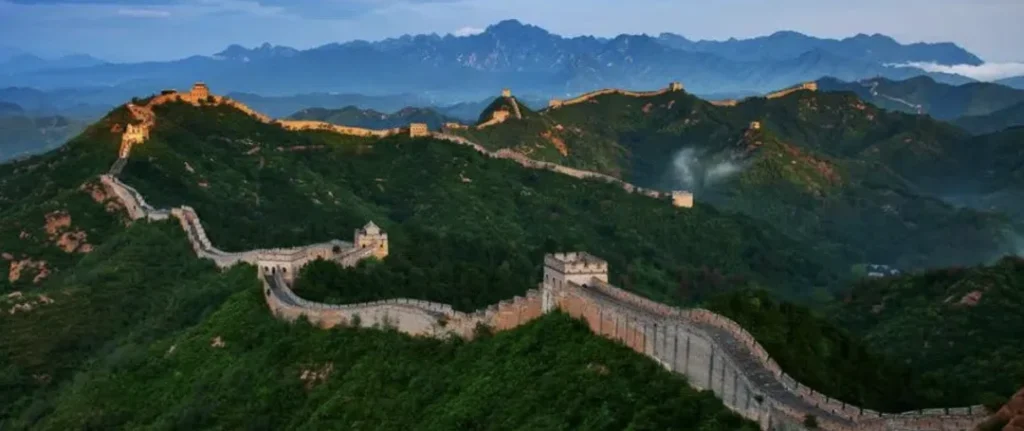
Not all Great Wall sections near Beijing are the same experience. Badaling is famous but crowded. Mutianyu is family-friendly with a toboggan. Jinshanling is a photographer's dream. And hidden gems like Huanghuacheng and Simatai offer experiences most tourists miss. This guide compares each section by travel style so you can choose the right one.
Direct answer: The best Great Wall section depends on your experience goal. Choose Jinshanling for hiking and photography, Mutianyu for families, Simatai for night tours, Huanghuacheng for lake views, and Badaling if you want the iconic tourist experience despite crowds. Each section requires 3-5 hours for a quality visit, and you can realistically visit only one per day due to travel time.
Direct answer: Jinshanling is the clear winner for photographers. It is half-restored and half-wild, preserving original Ming wall textures, arrow slits, and brickwork that Badaling and Mutianyu lack. It faces east for sunrise shots, stays quiet with fewer crowds, and sits 155 km from Beijing (2.5-3 hours' drive). The extra travel time pays off in empty wall views and authentic stone.
Direct answer: Mutianyu is the most family-friendly section. It is fully restored with safe, flat paths, a cable car to avoid steep climbs, and a toboggan slide that kids love. It is 73 km from Beijing (about 2 hours' drive) and offers the most amenities for children and elderly travelers.
Direct answer: Not recommended. Each section requires 3-5 hours, and travel between sections takes 1-3 hours by car. Badaling and Mutianyu are close to each other but still 1.5 hours apart. Focus on one section for a quality experience rather than rushing through two.
| You Want... | Choose This Section | Why | Best For | Less Suitable If | Key Risk |
|---|---|---|---|---|---|
| Photography & sunrise | Jinshanling | Half-restored, half-wild. Original Ming wall textures, arrow slits, quiet with fabulous vistas. Best for sunrise shots. | Photographers, serious hikers, solitude seekers | You have limited time (2.5-3h drive) or need wheelchair access | Longest drive from Beijing |
| Family trip with kids | Mutianyu | Fully restored. Cable car + toboggan slide. Child-friendly paths. Dense watchtowers with double-sided crenellations. | Families, elderly visitors, first-time visitors | You want a wild/authentic experience | Toboggan slide stops when crowded |
| Hiking & solitude | Jinshanling | 10+ km hiking route. Less crowded. Connects to Simatai for advanced hikers. Moderate inclines on main path. | Hikers, solo travelers, nature lovers | You want a quick visit or have mobility issues | Requires full-day commitment |
| Night tour experience | Simatai | Only section open for night visits. Illuminated wall. Unique romantic atmosphere. | Couples, night owls, unique-experience seekers | You have limited time or want a day hike | Night tour hours may be seasonal |
| Lake & mountain scenery | Huanghuacheng | Wall meets water. Boat rides. Ming dynasty chestnut orchard. Shortest drive from Beijing (1.5h). | Nature lovers, short-trip visitors, food travelers | You want a long hike or iconic Great Wall photo | Less dramatic wall scenery than other sections |
| Iconic "Great Wall" photo | Badaling | Most famous section. Cable car. Great Wall Museum. Some wheelchair access. | First-time visitors, limited-time travelers, accessibility needs | You value solitude, authentic experience, or photography | Consistently crowded with tour groups |
| Advanced hiking challenge | Jiankou | Totally wild, most challenging and steep section. "W" shape along mountain ridges. | Experienced hikers, adventure seekers | You are a beginner, traveling with family, or without a guide | Dangerous without a guide; not for casual visitors |
For most independent travelers seeking a meaningful Great Wall experience beyond the tourist crowds, Jinshanling offers the best balance of authenticity, beauty, solitude, and accessibility. It is the section that delivers the Great Wall you imagine, winding across ridges, built from original Ming stone, and quiet enough to hear the wind.
If you are traveling with family, Mutianyu is the safer choice with its cable car and toboggan. For a unique after-dark experience, Simatai stands alone. And if you have only a half-day and want the iconic photo, Badaling delivers despite the crowds.
Trying to visit two sections in one day. Travel time between sections takes 1-3 hours by car. Even the closest pair (Badaling and Mutianyu) are 1.5 hours apart. You will spend more time in transit than on the wall.
Assuming Badaling represents the entire Great Wall experience. Badaling is the most famous section, but its neat stone strips and low parapet walls feel more like a city wall than a frontier defense. Other sections offer more authentic Ming dynasty textures and fewer crowds.
Skipping advance ticket booking. All major sections require advance booking through official channels, especially during peak season and Chinese holidays. Tickets sell out, particularly for Badaling and Mutianyu.
Underestimating travel time. Jinshanling is 155 km from Beijing (2.5-3 hours' drive). Even the closest sections take about 1.5 hours. Plan a full day for any section.
Visiting without checking seasonal hours. Night tour hours at Simatai vary by season. Winter conditions may affect access to some sections. Check official websites before your visit.
Jinshanling is the standout section for anyone who wants more than a tourist photo. It is half-restored and half-wild, meaning you walk on original Ming dynasty brickwork that has not been rebuilt for modern visitors. The wall stretches across mountain ridges in long, sweeping curves, and on a clear morning, the sunrise light turns the grey stone golden.
What makes Jinshanling special for photographers: The wall construction here is unique among Beijing sections. The main wall is "brick-faced" (包砖墙体), with only 2-3 layers of stone at the base and brick above, unlike Badaling's neat stone strips or Mutianyu's irregular stone blocks. This creates more texture and visual interest in photos. The parapet walls (宇墙) are well-preserved with arrow slits cut at steep angles on the slopes. One observer described them as "tilted at amusing angles, " giving the wall a character that polished sections lack.
Architectural highlights worth seeking out:
Hiking options: The main path has moderate inclines suitable for most fitness levels. For more experienced hikers, the route from Jinshanling to Simatai is a popular full-day hike (about 10 km) that combines two sections. This is best done with a guide or good offline maps.
The trade-off: Jinshanling is the furthest major section from Beijing at 155 km (2.5-3 hours' drive). You need a full day and preferably private transport or a pre-booked tour. But for photographers and hikers, the extra travel time is the price of an empty wall.
Mutianyu is the best choice for families and first-time visitors. The wall is wide, safe, and fully restored, with unique double-sided crenellations that offer views from both sides.
Why choose Mutianyu:
One practical tip: Mutianyu has separate queues for the cable car and chairlift/toboggan combination. Check your ticket type before lining up to avoid waiting twice.
Located about 73 km from Beijing (around 2 hours by car), Mutianyu offers the most reliable Great Wall experience without Badaling-level crowds.
Badaling is the most famous Great Wall section, known from textbooks and documentaries. It is the easiest to reach but also the most crowded, often feeling more like a tourist attraction than a historic site.
Why choose Badaling:
The downside: Crowds can be overwhelming, and the restored wall feels more like a city landmark than a rugged frontier defense.
Choose Badaling if you have limited time, need easy access, or want the most famous view. Otherwise, other sections offer a better experience.
Simatai is the only section of the Great Wall near Beijing that offers night tours. After sunset, the wall is illuminated with soft lighting, creating a completely different atmosphere from daytime visits. The wall here is steep and dramatic, with watchtowers that glow against the dark mountain sky.
What makes Simatai special: The night experience transforms the wall from a historical site into a romantic or contemplative space. Fewer visitors come at night, so you often have long stretches of wall to yourself. The red leaves in autumn add another layer of beauty.
Simatai is 120 km from Beijing (2-3 hours' drive). Night tour hours vary by season, so check the official schedule before planning your visit. This is the best choice for couples or anyone who has seen the wall during the day and wants a different perspective.
Huanghuacheng is the most visually unique section near Beijing. Parts of the wall are immersed in the lake, creating a scene where ancient stone rises directly from the water. You can take a boat ride along the wall or walk the sections that remain above water.
Why Huanghuacheng stands out:
Huanghuacheng is less crowded than Badaling or Mutianyu, making it a good choice for travelers who want a peaceful visit without the long drive to Jinshanling. The wall here is partially restored, so some sections are easier to walk than others.
For experienced hikers and history enthusiasts, two wilder sections offer experiences beyond the main tourist routes.
Jiankou: Totally wild, steep, and dangerous. The wall here winds along mountain ridges in a "W" shape and is the most challenging section near Beijing. Only for advanced hikers with a guide. Do not attempt Jiankou without proper preparation.
Gubeikou: An ancient battle site with unrestored wall that retains original bricks and stones from two separate dynasties (Ming and Qing). Less dramatic than Jiankou but safer to explore. Good for history buffs who want to see the wall as it was before modern restoration.
Both sections require private transport and are best visited with a guide or as part of a specialized tour.
| Your Travel Style | Best Section | Why |
|---|---|---|
| First-time visitor | Mutianyu | Safe, beautiful, family-friendly, iconic Great Wall experience without extreme crowds |
| Photographer | Jinshanling | Original Ming textures, sunrise views, fewer people, unique architectural details |
| Hiker (moderate) | Jinshanling | 10+ km varied terrain, moderate inclines, connects to Simatai |
| Hiker (advanced) | Jiankou (with guide) | Most challenging, wild, steep, requires experience |
| Family with kids | Mutianyu | Cable car, toboggan, safe paths, amenities |
| Couple / romantic | Simatai night tour | Illuminated wall, fewer visitors, unique atmosphere |
| Nature lover | Huanghuacheng | Lake scenery, boat rides, short drive, chestnut orchard |
| History buff | Gubeikou | Original two-dynasty bricks, ancient battle site, unrestored |
| Limited time (half-day) | Badaling | High-speed rail, 20 minutes from Beijing North Station |
| Budget traveler | Jinshanling | ~65 RMB entry + 20 RMB shuttle bus, lowest cost among major sections |
| Solo traveler seeking solitude | Jinshanling or Huanghuacheng | Fewer crowds, peaceful atmosphere, authentic experience |
Best time to visit: Spring (April-May) and autumn (September-October) offer mild weather and clear skies. Summer is hot and crowded. Winter is cold but has the fewest visitors, most sections remain open year-round.
Best time of day: Early morning for sunrise photography (Jinshanling) or to beat crowds (any section). Late afternoon for golden hour light and fewer tour groups.
How long to spend: Plan 3-5 hours per section. This gives you time to walk a reasonable distance, take photos, and absorb the atmosphere without rushing.
What to bring: Comfortable walking shoes, water, snacks, sun protection, and a jacket (it is windier and cooler on the wall than in Beijing). For Jinshanling and Jiankou, bring hiking poles if you have them.
Book tickets in advance: All major sections require advance booking through official channels, especially during peak season and Chinese holidays. Tickets sell out, particularly for Badaling and Mutianyu.
One section per day: Do not try to visit two sections in one day. The travel time between sections (1-3 hours) plus 3-5 hours on the wall makes it impractical. Focus on one section for a quality experience.
I’ll say it plainly: most first-time visitors should skip Badaling. Not because it’s bad, but because the crowds ruin the experience for the majority of people who go there. The high-speed rail makes it convenient, but that convenience means everyone else has the same idea. On a Saturday in October, the queue for the cable car at Badaling was 90 minutes. The walkway from North 7 to North 8 was so packed that I couldn’t stop to take a photo without someone bumping into me.
If you must go to Badaling — because you’re on a tight schedule, or you want the “official” experience — go on a weekday, arrive before 8:00 AM, and walk the south section instead of the north. The south section has fewer people and gentler slopes, and you’ll still get the iconic views.
This article is part of the Beijing Travel Guide Hub.
Explore all Beijing travel guides here → Beijing Hub
Hire a private driver for about ¥600–800 round trip from Beijing, or take a public bus from Dongzhimen to Miyun and then a local taxi. Jinshanling is 2.5–3 hours away, Mutianyu about 2 hours. Avoid taxis that wait at the gate—they charge inflated rates for the return.
Wear sturdy, non-slip shoes—the restored sections are still uneven, and wild sections have loose stones. Bring at least 1 liter of water per person, snacks, sunscreen, and a windproof jacket even in summer. Most sections have limited vendors, and prices on the wall are high.
Yes, all major sections have restrooms and food stalls near the entrance and cable car stations. Mutianyu and Badaling have sit-down restaurants; Jinshanling and Huanghuacheng have basic snack kiosks. On the wall itself, facilities are scarce—plan accordingly.
Yes, the 10-kilometer hike takes 3–5 hours for experienced hikers. You must exit at the Simatai West Gate, which requires a separate ticket. Start early (before 9 AM) to finish before sunset, and arrange a driver to pick you up at the exit. This route is not recommended for beginners.
Yes, the major sections are safe with regular staff and other tourists. Stick to well-traveled paths, avoid hiking alone on wild sections like Jiankou, and keep your valuables secure. Jinshanling and Mutianyu are particularly recommended for solo travelers due to their moderate crowds and clear signage.
Ready to visit China without spending weeks researching? TripChina.me Premium Travel Guides combine optimized itineraries, booking workflows, local recommendations, and backup plans to help independent travelers experience China with confidence.
Jinshanling has the fewest visitors among the major sections, especially on weekdays. Huanghuacheng is also quiet. Badaling is the most crowded by a wide margin.
Mutianyu is better for most first-time visitors. It has fewer crowds, more scenic variety, and the toboggan ride adds a fun element. Badaling is only better if you’re extremely short on time and can take the high-speed rail.
Yes, the Jinshanling-to-Simatai traverse is a popular 10-kilometer hike that takes 4–6 hours. It’s moderately difficult with some steep sections. You need to arrange transportation at the Simatai end.
Late April to early June and mid-September to late October. Spring brings blossoms, autumn brings clear skies and colorful foliage. Summer is hot and hazy. Winter is cold but offers empty walls and occasional snow.
A typical visit takes 3–4 hours including transportation from the parking area. The wall walk itself (Tower 14 to Tower 20 and back) takes about 2 hours at a relaxed pace.
Only Simatai Great Wall offers regular night tours. Badaling has occasional night events, but they’re not guaranteed. Mutianyu and Jinshanling close at sunset.
Jinshanling is the best for photography, especially at sunrise and sunset. The combination of restored and wild sections, varied watchtower styles, and distant mountain views creates more compositional variety than other sections.
By car: 2.5–3 hours via the Jingcheng Expressway. By bus: a direct tourist bus runs from Dongzhimen on weekends and holidays (April–November). By public transport: take bus 980 from Dongzhimen to Miyun, then a taxi (about 50 RMB) to the scenic area.
TripChina.me creates practical China travel guides shaped by real local experience, helping independent travelers navigate transport, payments, food, neighborhoods, and the cultural details that make traveling in China easier and more meaningful. Find the guide for your destination at tripchina.me.