Our Location:
No. 99, Jiazi Road, Chengdu

 authorChris Lee
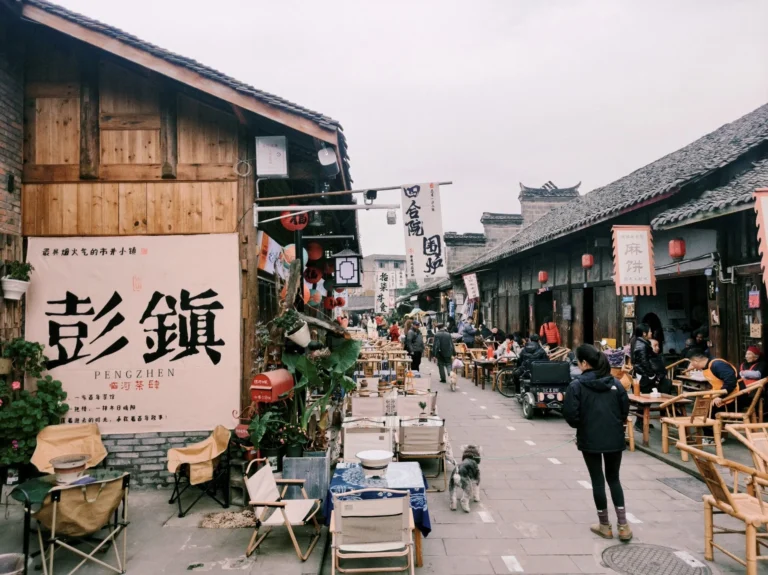
Chengdu is famous for giant pandas and spicy hotpot. But the city's real charm often appears between the attractions: an afternoon in a neighborhood teahouse, a bowl of noodles on a side street, or locals playing mahjong while the rest of the city rushes past.
This Chengdu travel guide helps you experience both sides of the city, with realistic 2–3 day itineraries, panda booking advice, food recommendations, airport transfers, budgets and local tips. The goal is simple: spend less time navigating travel problems and more time enjoying Chengdu.
Chengdu is worth visiting for its pandas, food, teahouse culture and relaxed urban atmosphere. Most first-time visitors should stay three days, visit in spring or autumn, and reserve their Panda Base tickets before arriving.
| Essential Question | Quick Answer |
|---|---|
| Is Chengdu worth visiting? | Yes, particularly for wildlife, Sichuan food and local culture |
| How many days do you need? | 2–3 days for the city; 4–5 days with day trips |
| Best time to visit | March–April or September–November |
| When should you avoid crowds? | Major Chinese public holidays, especially May Day and National Day |
| What should you book first? | Chengdu Research Base of Giant Panda Breeding |
| Best area to stay | Chunxi Road / Taikoo Li for most first-time visitors |
| Best way to get around | Metro for cross-city travel, DiDi for luggage or late journeys, and walking for neighborhoods |
| Typical mid-range budget | Approximately ¥430–750 per person per day |
| Best local experience | Spending an unhurried afternoon in a traditional teahouse |
| Biggest mistake | Trying to fit pandas, a distant day trip and multiple neighborhoods into one day |
The budget is a planning estimate for October 2026, not a fixed market price. It excludes international flights and major intercity transport.
Yes. Chengdu offers something genuinely different from China's monument-heavy destinations: giant pandas, a celebrated food culture and a way of enjoying everyday life that rewards travelers who slow down.
Beijing is known for imperial history, while Xi'an is especially strong on ancient Chinese civilization. Chengdu's appeal is different. Its best experiences often involve living culture rather than a ticketed landmark.
You might spend an hour watching pandas, another drinking jasmine tea, and an evening exploring small restaurants where locals have been eating for years.
There is a Sichuan expression, bashi (巴适), meaning something close to comfortable, satisfying or just right. It captures the feeling that makes Chengdu appealing.
But Chengdu will not suit everyone equally. Travelers with only one day, a strong preference for palace sightseeing or little tolerance for humid weather may prefer to allocate more time elsewhere.
For travelers interested in food, independent exploration and cultural experiences, I recommend at least two days, ideally three.
The best times to visit Chengdu are generally March–April and September–November, when temperatures are more comfortable for walking, visiting pandas and spending time outdoors.
Chengdu has a humid subtropical climate. Summers can be hot and rainy, while winters tend to be cool, damp and overcast rather than severely cold.
According to historical climate averages, July and August have average highs around 87°F (31°C), while January daytime highs are around 49°F (9°C). The damp winter air can make that temperature feel colder than travelers from drier climates might expect.
The part travelers often misunderstand is that pleasant weather does not guarantee fewer tourists.
| Season | Typical Conditions | Crowd Considerations | Best Experiences |
|---|---|---|---|
| Spring (March–April) | Mild, sometimes rainy | Moderate; holiday spikes | Pandas, parks, walking |
| Summer (June–August) | Hot, humid, rainy | School holiday crowds | Museums, evening dining, indoor activities |
| Autumn (September–November) | Usually comfortable for walking | Very busy around National Day | Teahouses, neighborhoods, day trips |
| Winter (December–February) | Cool, damp, often cloudy; can feel colder than the thermometer suggests | Quieter outside major holidays | Hotpot, museums, slower city exploration |
My preference: Late October or November can be particularly pleasant for exploring the city after the National Day travel peak, although weather and visitor numbers vary.
If avoiding crowds is a priority, plan carefully around China's major public holidays.
As of October 2026, the published national holiday schedule includes May Day from May 1–5 and National Day from October 1–7.
During these periods, popular attractions, major railway stations and central commercial streets can become extremely busy. Accommodation prices may also rise.
| Period | Main Problem | Better Alternative |
|---|---|---|
| May Day holiday | Busy attractions and transport | Late April or mid-May |
| National Day holiday | Heavy domestic tourism | Late October or November |
| July–August | Heat, rain and school holidays | Spring or autumn |
| Spring Festival | Holiday travel and changing business hours | Travel outside the holiday period |
If your dates cannot change, book important attractions and intercity trains early. Schedule the most popular sights for appropriate entry periods and leave room for quieter neighborhoods.
Most first-time visitors need two to three days for Chengdu itself. A fourth or fifth day makes sense if you want to explore Leshan, Dujiangyan or Sanxingdui without rushing.
The city is large, and getting between attractions often takes longer than the distances on a map suggest.
One of the easiest ways to spoil a Chengdu visit is to treat it like a checklist and schedule too many distant attractions on the same day.
| Trip Length | Best For | Recommended Focus |
|---|---|---|
| 1 day | Travelers with limited time | Panda Base and one central neighborhood |
| 2 days | First-time highlights | Pandas, teahouses, historic streets, Sichuan food |
| 3 days | Most independent travelers | Core sights plus neighborhood exploration and cultural experiences |
| 4–5 days | Slower travel or day trips | Add Leshan, Dujiangyan or Sanxingdui |
Two days is enough to understand why Chengdu is famous. Three days gives you a better chance to understand why people enjoy living here.
A good first-time Chengdu itinerary should place the Panda Base early in the day, keep central cultural attractions together and reserve some time for the city's food and teahouse culture.
I would organize a first visit like this:
| Day | Morning | Afternoon | Evening |
|---|---|---|---|
| Day 1 | Chengdu Panda Base | Wenshu Monastery and nearby streets | Sichuan dinner |
| Day 2 | People's Park and a teahouse | Kuanzhai Alley or a museum | Sichuan opera or a relaxed riverside walk |
| Day 3 | Local market, workshop or cultural experience | Explore Yulin or another neighborhood | Hotpot or casual local dining |
Visit the Chengdu Research Base of Giant Panda Breeding early.
Pandas are often more active during cooler morning conditions, although their behavior is never guaranteed. Arriving around the start of your reserved admission period also gives you more time to explore without feeling rushed.
After the visit, travel toward Wenshu Monastery (文殊院).
The surrounding neighborhood offers a quieter contrast to the large panda facility, with traditional streets, small shops and places to eat.
Save your evening for Sichuan food rather than adding another distant attraction.
Begin at People's Park (人民公园).
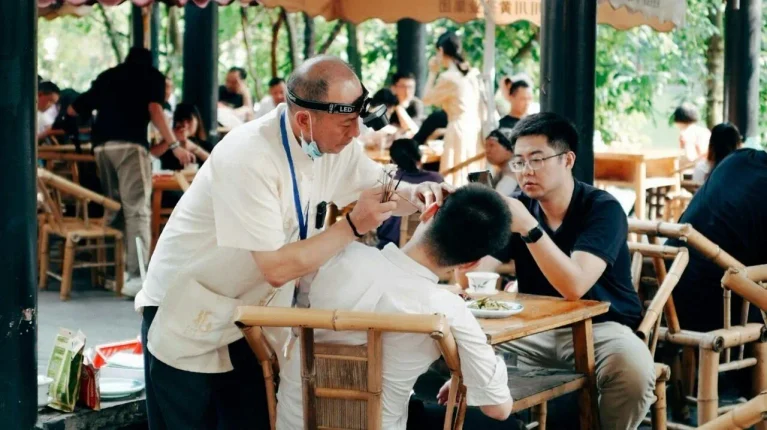
Instead of rushing through the park, sit at a teahouse and watch the city around you. Locals come here to drink tea, socialize, play games and spend time outdoors.
This is one of the simplest ways to experience Chengdu's everyday atmosphere.
Later, visit Kuanzhai Alley or choose a museum if the weather is poor.
Kuanzhai is an attractive introduction to Chengdu's historic-style lanes, but it is also a commercial tourist district. It is worth visiting with realistic expectations.
In the evening, choose a Sichuan opera performance or enjoy a more relaxed walk around the central city.
Use the third day to explore Chengdu according to your interests.
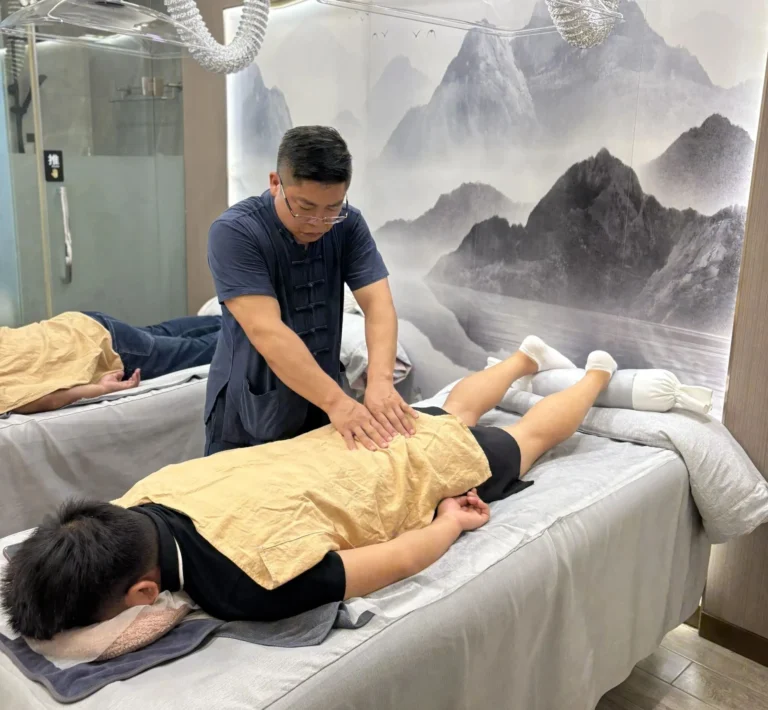
Food lovers might take a cooking class or visit a local market. Travelers interested in traditional crafts could try a hands-on cultural workshop.
For contemporary Chengdu, the creative neighborhoods, cafes and industrial heritage around Dongjiao Memory offer an alternative to the traditional sightseeing circuit.
Another option is a self-guided urban walk. The Chengdu Citywalk routes help you choose between historic neighborhoods, shaded streets, riverside views and local food areas.
If you only have two days, follow the first two days of this itinerary.
I would not squeeze a full Leshan or Dujiangyan excursion into either day.
Chengdu's strongest attractions fall into two groups: famous sights that most travelers expect to see, and local experiences that often become the most memorable part of the trip.
For a first visit, I would prioritize the Panda Base, People's Park, Wenshu Monastery, Kuanzhai Alley, Sichuan food and at least one cultural experience.
| Experience | Why Visit? | Suggested Time | Who Will Enjoy It Most? |
|---|---|---|---|
| Chengdu Panda Base | See giant pandas in a conservation-focused setting | Half day | Wildlife lovers, families |
| People's Park | Experience local teahouse and park culture | 1–2 hours | Independent travelers |
| Wenshu Monastery | Buddhist architecture and a quieter neighborhood | 1–2 hours | Culture lovers |
| Kuanzhai Alley | Historic-style streets, shops and local atmosphere | 1–2 hours | First-time visitors |
| Wuhou Shrine and Jinli | Three Kingdoms history and traditional-style streets | 2–3 hours | History enthusiasts |
| Sichuan opera | Face-changing and local performing arts | Evening performance | Cultural travelers |
| Dongjiao Memory | Industrial heritage and contemporary creative culture | 2–4 hours | Photography and urban culture enthusiasts |
For travelers interested in Chinese history, Wuhou Shrine and the nearby Jinli area are particularly convenient to combine. The Wuhou Shrine and Jinli walking route helps you visit both without unnecessary backtracking.
Remember that not every famous attraction represents ordinary local life.
Kuanzhai Alley and Jinli are visitor-oriented areas. Community teahouses, neighborhood markets and smaller streets give you a different perspective.
Both experiences have value, but they should not be confused.
For a more personal side of Chengdu, I would choose a neighborhood teahouse, a small local restaurant, a traditional craft workshop or a relaxed walk through residential streets.
People's Park is an easy introduction, but its busiest teahouses also attract tourists. Smaller community teahouses can offer a quieter setting where drinking tea is part of the neighborhood's daily routine rather than a scheduled sightseeing activity.
Yulin is another area worth exploring for its mix of restaurants, cafes and local streets.
The key is not finding a supposedly secret attraction. It is allowing enough time to experience places without treating every stop as a photo opportunity.
Not every memorable Chengdu experience requires an entrance ticket.
The Panda Base is the clearest paid priority for most first-time visitors. Beyond that, I would spend according to personal interests rather than buying tickets simply because an attraction appears on a popular itinerary.
| Attraction or Experience | General Admission | Best For | When to Skip |
|---|---|---|---|
| Panda Base | Paid; exemptions apply | Giant panda enthusiasts | If wildlife is not a priority |
| Wuhou Shrine | Paid | Three Kingdoms history | Very short trips without historical interest |
| Sichuan opera | Paid performance | Traditional performing arts | Travelers uninterested in stage shows |
| Cooking or craft workshop | Paid | Hands-on cultural experiences | Very tight budgets |
| People's Park | Free public park; tea costs extra | Local life | Rarely necessary to skip |
| Kuanzhai Alley | Free public streets | Architecture and browsing | Travelers avoiding commercial tourist areas |
| Wenshu Monastery | Generally free | Temple culture and quiet surroundings | Travelers uninterested in religious architecture |
One paid performance or workshop can be more memorable than several additional sightseeing tickets.
If I were buying just one additional ticket beyond the Panda Base, I would choose a proper Sichuan opera performance. It offers a cultural experience that is difficult to replace with ordinary sightseeing.
If buying a second, I would consider Wuhou Shrine—but primarily for travelers genuinely interested in Three Kingdoms history.
For example, seeing Sichuan opera face-changing in a proper performance venue provides a different cultural experience from briefly watching an outdoor demonstration.
Choose a show according to the venue, performance length, location and ticket inclusions—not simply the lowest advertised price.
The Chengdu Panda Base is the most important advance reservation for first-time visitors. Some museums, performances and popular cultural experiences also have their own ticketing requirements.
As of late 2026, the Panda Base's official ticket information and holiday notices require general visitors to make real-name reservations using valid identity documents. Tickets can be booked up to 14 days in advance.
The official booking channels include the Panda Base's WeChat account, its WeChat mini-program and authorized platforms such as Trip.com.
Foreign visitors should use the same passport details for both reservation and admission.
For the official WeChat route:
For foreign passports, follow signs to the admission verification channel that handles documents other than mainland Chinese resident ID cards.
If you cannot complete the Chinese-language booking process, Trip.com is an officially listed booking platform.
A Panda Base holiday notice also states that foreign visitors unable to buy online because they lack a Chinese mobile number may use Trip.com or enquire at the on-site Cash and Cards service window if tickets remain.
Do not treat this on-site option as a guaranteed ticket. Booking in advance is safer, especially during busy periods.
As of late 2026, the Panda Base's published guidance also lists reservation exemptions for qualifying visitors aged 60 and above and young children under six or under 1.3 meters tall, subject to the official conditions and valid original identification.
Before visiting, check the full foreign-passport Panda Base booking instructions and the official WeChat account for the latest procedures.
| Attraction | Booking Priority | Practical Advice |
|---|---|---|
| Chengdu Panda Base | High | Reserve a dated, timed ticket using valid ID |
| Sichuan opera | Medium | Reserve your preferred show and seats ahead |
| Wuhou Shrine | Low to medium | Check the current ticketing channel before visiting |
| Museums | Depends on the museum | Check closure days, exhibitions and reservations |
| People's Park and public historic streets | Low | General access usually does not require advance booking |
If tickets for your preferred date are unavailable, check official or authorized channels for cancellations or remaining inventory. Avoid unverified private resellers promising guaranteed entry.
The easiest way to avoid crowds is to plan around the city's different daily rhythms rather than assuming every attraction is quiet at the same time.
The Panda Base benefits from an early visit because of animal activity and visitor patterns.
Commercial areas such as Kuanzhai Alley can feel calmer earlier in the day, before the busiest shopping and sightseeing periods.
Neighborhood teahouses offer more flexibility and can be a useful alternative when famous streets become crowded.
My practical approach is to plan one high-demand attraction and one slower local experience rather than stacking three busy destinations into the same day.
During Chinese public holidays, reservation systems and timed-entry policies matter more than clever route planning.
If avoiding crowds is important to you, choose weekdays, monitor the attraction's official notices and leave open time between major stops.
For most first-time visitors, Chunxi Road and the nearby Taikoo Li area are convenient choices because they offer restaurants, shopping and access to Metro Lines 2 and 3.
However, the busiest central location is not automatically the best place for every traveler.
Some visitors will enjoy staying near quieter neighborhoods more than being surrounded by major shopping malls.
| Area | Best For | Advantages | Main Drawback |
|---|---|---|---|
| Chunxi Road / Taikoo Li | First-time visitors | Dining, shopping, metro access | Busy and potentially noisy |
| Tianfu Square / People's Park | Central sightseeing | Good transport connections | Less of a residential-neighborhood atmosphere |
| Wenshu Monastery | Culture and quieter stays | Traditional surroundings, local food | Less nightlife nearby |
| Kuanzhai Alley vicinity | Historic-style atmosphere | Walkable sightseeing | Tourist-heavy areas |
| Yulin | Food and neighborhood life | Local restaurants and cafes | Less immediately central for some major sights |
My recommendation: If this is your first independent trip to Chengdu and you want uncomplicated transport, stay near Chunxi Road or Tianfu Square.
If you are comfortable using the metro and care more about neighborhood character, Wenshu or Yulin may feel more rewarding.
Before reserving a hotel, check the precise address and nearby station rather than relying only on the district name.
The Chengdu accommodation area comparison explains which locations make sense for different travelers and where the common hotel-location mistakes occur.
Chengdu has two major airports: Chengdu Tianfu International Airport (TFU) and Chengdu Shuangliu International Airport (CTU).
They are not interchangeable.
Tianfu is much farther from central Chengdu, so the difference matters when booking hotels, arranging transfers and calculating arrival times.
Tianfu Airport lies approximately 50 kilometers southeast of central Chengdu.
Metro Line 18 is the main rail connection toward the city, including Chengdu South Railway Station. From there, you may need another metro connection or a car to reach your hotel.
Line 18 operates both regular and express services. Published journey estimates put the express service to Chengdu South Railway Station at approximately 35–40 minutes, compared with around 50 minutes on a regular train. The airport-to-Chengdu South fare is approximately ¥10, with no separate premium fare required simply for using an express service.
Check the electronic platform displays for the next train's service pattern and destination.
This is a useful distinction if you are trying to save time, but remember that the rail journey to Chengdu South is not the same as the total time to a hotel near Chunxi Road.
As a practical estimate, allow roughly 60–90 minutes or more for a metro journey that includes transfers and walking.
For a taxi or DiDi, allow approximately 50–90 minutes depending on the destination and traffic. A central-city fare may be around ¥150–220 or higher, particularly with tolls or difficult traffic conditions.
These are indicative planning figures, not guaranteed fares or journey times.
Shuangliu Airport is closer to central Chengdu and is connected to Metro Line 10.
For Chunxi Road, one useful journey is Line 10 toward Taipingyuan, then Line 3 toward the central shopping district.
A metro journey may take approximately 35–55 minutes including a transfer, depending on your terminal and final destination.
Late-arrival tip: As of October 2026, the airport's published schedule lists the last citybound Line 10 departure at approximately 23:12 from Terminal 2 and 23:15 from Terminal 1. Check the latest schedule and your onward connection before relying on these times.
If you arrive after the final useful metro connection, a licensed taxi or DiDi is usually more practical.
A taxi or DiDi is also often more convenient for large families and travelers with several suitcases.
| Airport | Best Budget Option | Approximate Total Time to Central Areas | Best Alternative |
|---|---|---|---|
| Tianfu (TFU) | Metro Line 18 plus connection | Roughly 60–90+ minutes | Taxi, DiDi or available airport shuttle |
| Shuangliu (CTU) | Metro Line 10 plus connection | Roughly 35–55 minutes | Taxi or DiDi |
Journey times are approximate and depend on the precise destination, connections and operating conditions.
Late-night arrivals require extra planning because metro operating hours and shuttle services can change.
Confirm the final train or bus before relying on public transportation after a late flight.
The Chengdu airport transfer guide covers the two airports, practical transfer choices and late-arrival considerations.
A combination of metro, DiDi and walking is sufficient for most independent visitors.
The metro is usually the best option for moving between major urban districts, while ride-hailing is useful for luggage, inconvenient transfers or late evenings.
| Transport | Best For | Relative Cost | Main Limitation |
|---|---|---|---|
| Metro | Cross-city sightseeing | Low | Walking and transfers |
| DiDi / Taxi | Groups, luggage, late journeys | Moderate | Traffic and pickup-point accuracy |
| Walking | Parks, old streets, neighborhoods | Free | Distances and weather |
| Public Bus | Local routes and budget exploration | Low | More difficult navigation for non-Chinese speakers |
For first-time metro users, follow bilingual station signs and check your destination's Chinese name.
A common mistake is assuming that being near the same metro line means two destinations are within comfortable walking distance.
Some journeys also involve lengthy passages between platforms.
The Chengdu Metro guide provides further details on ticketing, transfers and navigation.
Yes. Chengdu is manageable for independent international travelers, even without conversational Chinese.
Metro signage includes English, while major hotels and popular tourist attractions are accustomed to overseas visitors.
The harder moments are usually smaller restaurants, local ticketing interfaces and street addresses.
Save your hotel's Chinese name and address, and keep your destination names in Chinese.
For navigation, Amap can be especially useful when you need a precise entrance, metro exit or business location.
If you are new to mainland Chinese navigation apps, the China map and navigation guide explains practical alternatives to relying entirely on Google Maps.
Chengdu's food is one of the strongest reasons to visit.
Sichuan cuisine is famous for mala (麻辣), the combination of chili heat and the numbing sensation of Sichuan peppercorns.
But the city's cuisine is much broader than extreme spice.
There are delicate broths, savory snacks, sweet dishes and restaurants specializing in many different regional styles.
| Dish | Chinese Name | Flavor | Typical Spice Level |
|---|---|---|---|
| Mapo tofu | 麻婆豆腐 | Savory, numbing, spicy | Medium–high |
| Dan dan noodles | 担担面 | Rich, aromatic, chili-forward | Medium–high |
| Sichuan hotpot | 四川火锅 | Spicy or mild depending on broth | Variable |
| Zhong dumplings | 钟水饺 | Sweet-savory sauce with chili | Medium |
| Long chaoshou | 龙抄手 | Wontons in broth or chili oil | Variable |
| Kung pao chicken | 宫保鸡丁 | Sweet, savory and mildly spicy | Low–medium |
| Sweet water noodles | 甜水面 | Sweet-savory with possible chili | Variable |
These are typical flavor profiles. Recipes vary between restaurants.
If you have one evening to try Chengdu's most famous dining experience, consider Sichuan hotpot.
But I would not spend every meal eating hotpot.
Small noodle shops, wonton restaurants and ordinary neighborhood eateries can be equally memorable.
For restaurants and ordering decisions, see the Chengdu hotpot guide.
You can enjoy Chengdu even if you avoid chili and Sichuan peppercorns.
The important thing is to explain what you want clearly, because not spicy and not numbing are different requests.
Two useful expressions are:
不要辣椒 — Bú yào làjiāo — No chili peppers.
不要花椒 — Bú yào huājiāo — No Sichuan peppercorns.
For a stronger request, show the restaurant:
我不吃辣,也不吃花椒。
Wǒ bù chī là, yě bù chī huājiāo.
“I don't eat spicy food or Sichuan peppercorns.”
Wontons in clear broth, steamed eggs, plain vegetable dishes and many simple rice meals are possible choices.
However, some sauces, noodle seasonings and hotpot broths are prepared in advance and cannot be changed completely.
Sweet water noodles, despite the name, may still contain chili oil.
For hotpot, ask whether a clear, non-spicy broth is available, and keep in mind that shared cooking equipment may matter for travelers with allergies.
Important: If you have a food allergy, do not rely only on phrases such as “no chili” or “no peppercorns.” Show the restaurant a clearly translated allergy statement, ask about sauces, broths and shared equipment, and avoid a dish if the staff cannot confirm its ingredients or preparation.
Chengdu can be relatively affordable for independent travelers, but daily costs depend heavily on accommodation, dining choices and paid experiences.
As of October 2026, the following are indicative per-person planning ranges in Chinese yuan.
| Expense | Budget | Mid-Range | Comfortable |
|---|---|---|---|
| Accommodation | ¥100–200 | ¥220–380 | ¥400–700 |
| Food | ¥80–120 | ¥120–200 | ¥200–350 |
| Local transport | ¥20–40 | ¥40–70 | ¥60–100 |
| Attractions and activities | ¥0–50 | ¥50–100 | ¥100–200 |
| Estimated daily total | ¥200–410 | ¥430–750 | ¥760–1,350 |
These estimates assume one traveler bears the listed accommodation cost. Sharing a room can reduce the per-person amount. International flights, intercity trains and expensive private tours are excluded.
For context, Budget Your Trip's traveler-reported Chengdu data indicates an average daily cost of approximately ¥479 (about US$72) per person, covering accommodation, food, sightseeing and local transportation. This falls within the mid-range planning band above.
The table is an editorial budgeting model informed by typical local spending categories and checked against traveler-reported costs; its individual line items are not direct quotations from Budget Your Trip. Actual expenses depend on travel dates, accommodation choices and activities.
For many visitors, the best value comes from a centrally located but modest hotel, local restaurants, metro travel and a carefully chosen paid cultural experience.
A more expensive hotel does not necessarily make Chengdu more enjoyable.
Spending a little more on a memorable performance or hands-on activity may offer better value.
Yes. Chengdu is a good destination for families and older travelers when the itinerary includes enough rest time.
The Panda Base is an obvious highlight for children, but visitors should remember that it is a large complex with considerable walking.
Use the available visitor transport services where appropriate, wear comfortable shoes and plan breaks.
For older travelers, central teahouses, People's Park and selected museums can be easier choices than an exhausting day of multiple attractions.
Some older streets have uneven surfaces, and not every historic venue offers fully step-free access.
I recommend limiting a family or senior-friendly itinerary to one substantial attraction in the morning and a quieter activity later in the day.
During hot weather, choose shaded or indoor options, and avoid long midday walks.
The best family itinerary is rarely the one with the most stops.
Chengdu is also an excellent base for exploring important attractions elsewhere in Sichuan.
The best choices for a first visit are Leshan Giant Buddha, Dujiangyan and Sanxingdui Museum.
They offer very different experiences.
| Destination | Main Attraction | Suggested Duration | Best For |
|---|---|---|---|
| Leshan | Giant Buddha and river scenery | Full day | History, monumental architecture |
| Dujiangyan | Ancient irrigation engineering | Full day | History, landscape, walking |
| Sanxingdui | Ancient Shu civilization artifacts | Most of a day | Archaeology, museums |
Yes, especially if you want to see one of Sichuan's most extraordinary historical monuments.
The Buddha is carved into a cliff overlooking the meeting of three rivers.
You can experience the site from the walking routes around the statue or from an authorized sightseeing boat, depending on availability and operating conditions.
The choice matters for people with limited mobility because the walking route can involve steep steps and substantial queues.
Yes. Dujiangyan is one of the most interesting nearby destinations for travelers who enjoy history and engineering.
Its ancient irrigation system demonstrates how water management shaped the Chengdu Plain.
High-speed rail can make the trip convenient, but travelers should allow additional time for transfers between the railway station and the scenic area.
Do not confuse the short train ride with the total door-to-door journey.
Sanxingdui is particularly rewarding for travelers interested in archaeology and ancient Chinese civilization.
Its bronze masks and other artifacts offer a very different historical experience from Chengdu's temples and historic-style streets.
Check current museum tickets, reservation rules, opening days and admission arrangements before setting out.
Sanxingdui should not be treated as an attraction you can always visit without advance planning.
The biggest problems in Chengdu are usually avoidable planning mistakes rather than dramatic travel disasters.
Always confirm whether you are arriving at TFU or CTU.
The airports are far apart, and selecting a hotel or airport transfer based on the wrong one can waste significant time and money.
Chengdu is better enjoyed at a slower pace.
A packed itinerary leaves little time for food, tea or the unexpected neighborhood experiences that make the city memorable.
Restaurants directly beside famous attractions are convenient, but convenience does not always mean the best value.
Walk a few streets away, check menus and compare local options before choosing where to eat.
The Panda Base, museums and major transport routes can become very busy during public holidays.
Plan ticketed activities and long-distance travel before your arrival date.
International cards are useful, particularly at larger hotels and established businesses, but smaller merchants frequently rely on QR-code payments.
Before traveling, prepare Alipay or WeChat Pay and carry some cash as a backup.
The foreign visitor Alipay setup guide explains how to get started without a Chinese bank account.
A working data connection makes navigation, ride-hailing, translation and online ticketing much easier.
Some services work differently in mainland China than travelers may expect.
Compare the China eSIM and SIM card options before departure rather than discovering a connectivity problem after landing.
Chengdu is generally manageable for solo travelers who take normal big-city precautions. Pay attention to traffic, secure personal belongings in crowded areas and use recognized transport services. Travelers should also check current official travel advisories before departure.
Tipping is not generally expected at ordinary restaurants, in taxis or at most hotels in Chengdu. Paying the stated price is normal. Special arrangements for private guides or customized services can differ, so confirm those terms when booking.
Visitors should generally avoid drinking untreated tap water directly. Use bottled water or water that has been properly boiled and stored. Most established hotels provide a kettle or another drinking-water option.
Some restaurants in central shopping districts have English menus or staff familiar with international visitors, but many smaller local establishments operate mainly in Chinese. Saved food names, a translation app and clear dietary instructions make ordering much easier.
No. Most central attractions and neighborhoods are accessible independently using the metro, walking routes and navigation apps. A knowledgeable guide may add value at history-rich destinations or during a specialized food or cultural experience.
Yes, if you enjoy food, teahouses, museums and fewer crowds outside major holidays. Winter is usually cool, cloudy and damp, so it is less appealing for travelers expecting sunny outdoor sightseeing. Bring warm layers and plan indoor alternatives for wet days.
For most independent travelers, three days is the sweet spot.
See the pandas early, spend time in traditional neighborhoods, enjoy the city's food and make room for at least one afternoon that is not tightly scheduled.
If you have more time, add a day trip to Leshan or Dujiangyan rather than packing more distant attractions into the same day.
What makes Chengdu memorable is not simply the number of attractions you visit.
It is the contrast between famous sights and ordinary daily life: giant pandas in the morning, tea in the afternoon, a neighborhood restaurant at night.
The pandas may bring you to Chengdu. The food, teahouses and unhurried local culture are what make the city worth staying for.
Written by Chris Lee, Chengdu-based travel writer.
Panda Base booking windows, passport admission rules and exemptions were checked against official ticket information and holiday notices. Shuangliu Airport's late-night Metro Line 10 departures were checked against the airport's published schedule. Tianfu Airport rail times are indicative published journey estimates; confirm current express and regular services before travel. Budget ranges are editorial planning estimates compared with traveler-reported Chengdu costs, not official prices. Weather descriptions use historical climate averages. Attraction policies and transportation schedules may change.
TripChina.me creates practical China travel guides shaped by real local experience, helping independent travelers navigate transport, payments, food, neighborhoods, and the cultural details that make traveling in China easier and more meaningful. Find the guide for your destination at tripchina.me.