Our Location:
No. 99, Jiazi Road, Chengdu

 authorChris Lee
Most first-time Chongqing trips go wrong in the same ways: falling for the "fast pass" scam at Hongyadong, eating overpriced food in tourist zones, and walking up hills that should have been walked down. This guide explains what actually works — and what to avoid before your first visit. Based on real experience and local insight, not generic travel blog fluff.
Chongqing is spectacular—but its hills, crowds, spicy food and multi-level streets make it unusually easy to plan badly. These 15 first-timer mistakes can cost you time, money or a lot of unnecessary climbing.
| Mistake | Better Move |
|---|---|
| Paying for a Hongyadong “fast pass” | Don't—there is no official paid fast-track entrance |
| Choosing hotpot only by tourist-zone location | Compare menus and recent local reviews |
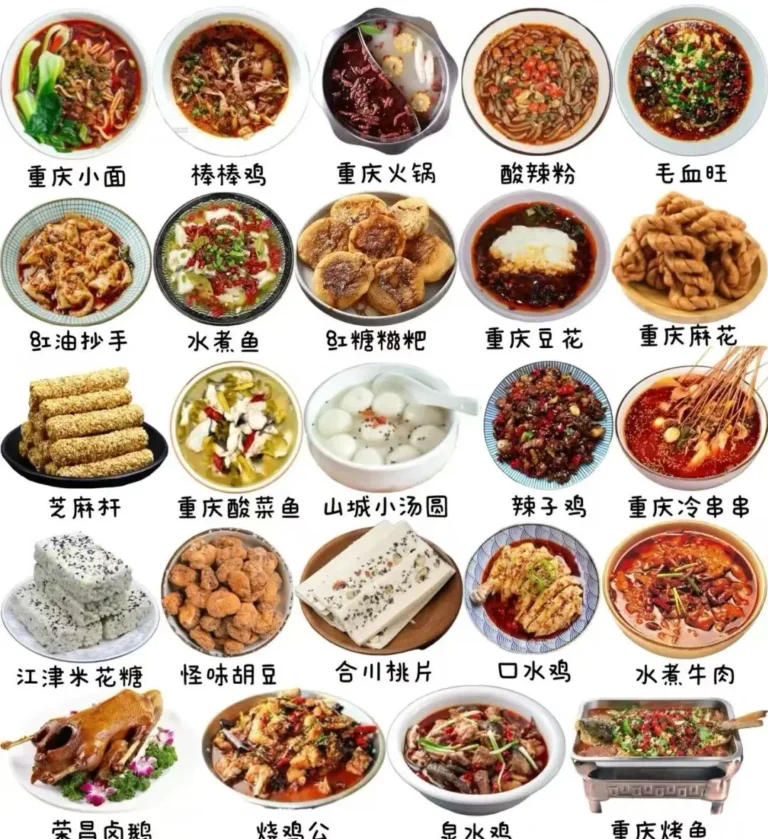
| Ordering hotpot too spicy | Start with 微微辣 (slightly spicy) or a split pot |
| Walking Shancheng Trail the harder way | Start around Qixingang/Lingshixiang and head generally downhill |
| Spending too long waiting for the cableway | Check the queue and current operations first |
| Staying only on Ciqikou's main street | Explore the side lanes too |
| Standing in traffic for a Liziba photo | Use the designated viewing area |
| Booking a hotel only by map distance | Check slopes, stairs and actual access |
| Taking taxis everywhere | Use the metro for many downtown trips |
| Trusting flat-map distance | Expect elevation changes and hidden stairways |
| Wearing uncomfortable shoes | Choose supportive, grippy footwear |
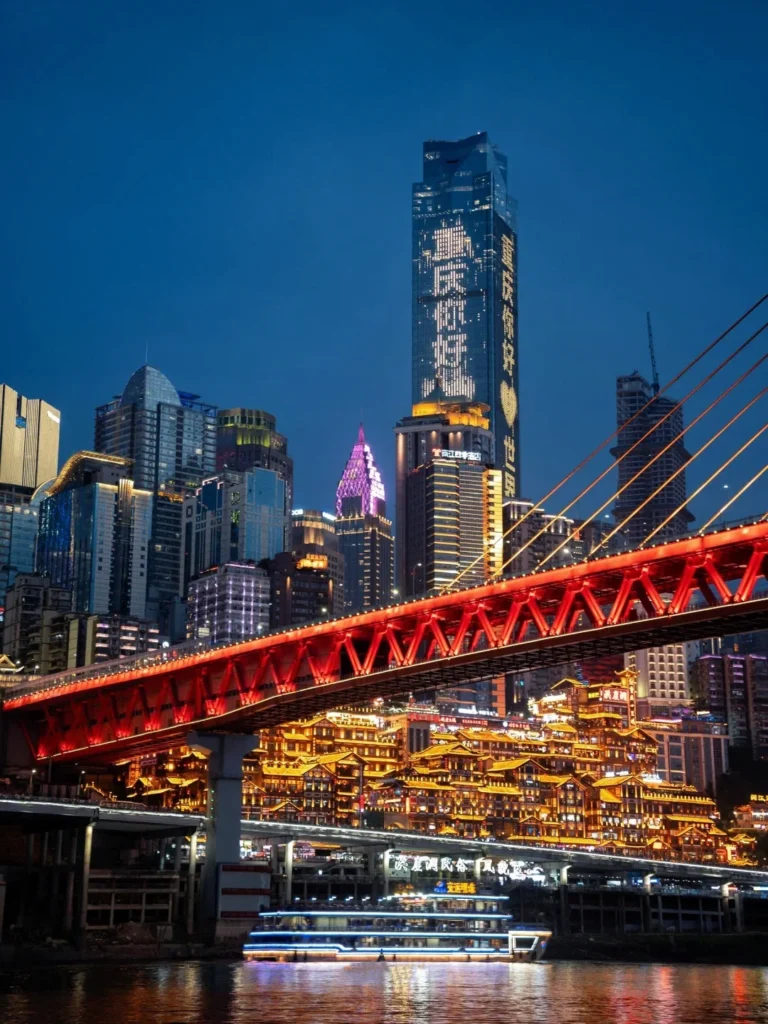
| Seeing Hongyadong only in daylight | Visit after the lights come on for the classic view |
| Buying “local” street snacks without checking | Know what you are buying before paying |
| Following unsolicited restaurant or tour recommendations | Verify independently |
| Trying to see everything in two days | Group sights by neighborhood |
The biggest lesson is simple:
In Chongqing, terrain and timing matter almost as much as distance.
No.
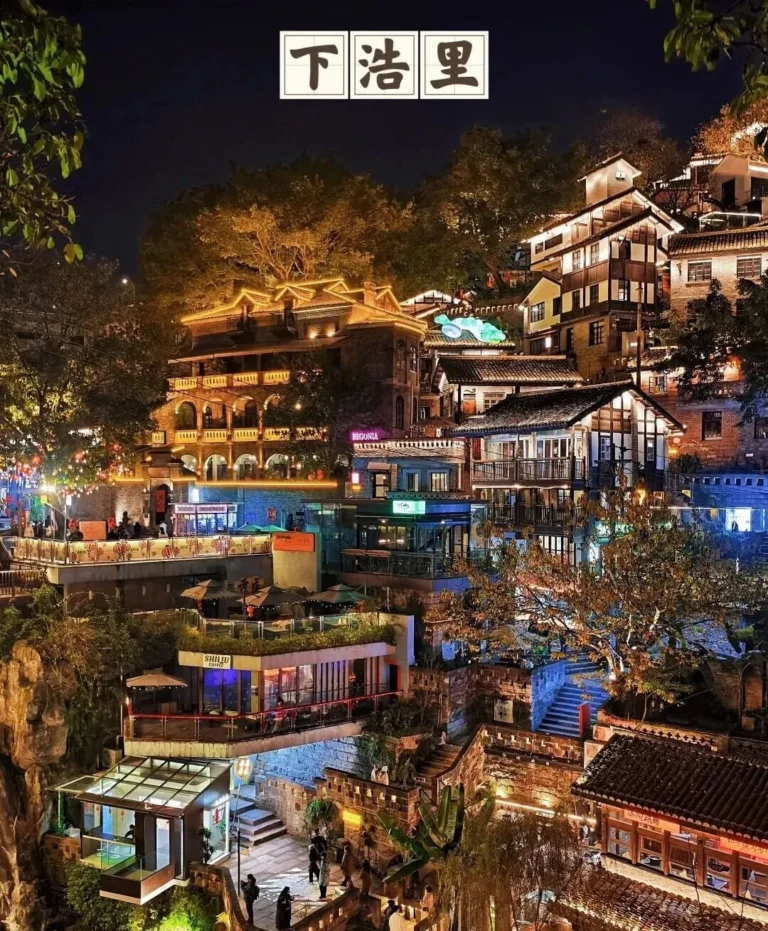
Hongyadong (洪崖洞) does not have the kind of official paid “fast pass” sometimes promoted by people around the attraction.
Yuzhong District authorities specifically identify false claims such as:
as misleading practices used to create anxiety and charge tourists for being led through ordinary access routes.
Follow official signs, staff directions and any temporary crowd-control measures.
Avoid anyone approaching you with an unsolicited shortcut that requires payment.
Hongyadong's unusual architecture also causes confusion because upper floors connect directly to streets at higher elevations.
Approaching from the Jiefangbei side and gradually moving toward the riverside levels can be easier for first-time visitors than assuming Floor 1 is the only logical entrance.
For viewpoints and whether the attraction itself is worth entering, see TripChina's Hongyadong Chongqing Honest Guide.
Not automatically.
Some central restaurants are perfectly good.
The mistake is choosing a restaurant simply because it sits beside Hongyadong or Jiefangbei—or assuming the loudest promoter, most visible storefront or most tourist-focused location must offer the best Chongqing hotpot.
Compare several options before sitting down.
Look for:
Walking a few blocks away from the busiest tourist frontage can sometimes produce a calmer meal and better value.
Don’t treat “locals eat here” or a single high review score as a guarantee of quality or fair pricing.
It can be if this is your first experience with Chongqing-style hotpot.
There is no universal citywide conversion where one restaurant's “mild” always equals another city's “medium.” Broths and spice levels vary considerably.
A safer starting point is:
微微辣 — wēiwēi là — very mild
or:
鸳鸯锅 — yuānyāng guō — a divided spicy and non-spicy pot
If you enjoy strong chili heat, you can always increase the spice next time.
For many visitors, beginning around Qixingang (七星岗) and Lingshixiang (领事巷) and moving generally downhill is easier than doing the route in reverse.
This matters because Chongqing walking routes are defined by elevation, not merely distance.
A short route may include:
Reversing a route can therefore turn an enjoyable city walk into a prolonged uphill climb.
Allow roughly 1.5–2 hours for a relaxed Shancheng Trail visit, depending on stops, crowds and your walking pace.
For more walking options, see TripChina's Chongqing Citywalk Routes Guide.
It depends on how long you have to wait.
The Yangtze River Cableway (长江索道) is one of Chongqing's iconic transport experiences, but the crossing itself is relatively brief.
If queues become very long, it may not deserve a large chunk of a short sightseeing day.
The current government-set maximum fares are:
| Ticket | Maximum Fare |
|---|---|
| One way | ¥30 |
| Round trip | ¥50 |
These rates took effect on January 1, 2025.
The operator sets the final ticket price within this government price cap.
No.
Queue lengths vary by time, holidays and tour-group flows, so the south station should not be treated as permanently faster.
Check the current queue and operations before choosing which side to board from.
The cableway also periodically suspends service for maintenance, so verify current operating information before making a special trip. As of summer 2026, the operator has implemented dynamic capacity reduction and crowd-management measures. The waiting areas now have misting systems and fans, and staff guide passengers to board in single file.
No.
Ciqikou Ancient Town (磁器口古镇) is heavily commercialized along its central pedestrian areas, especially during weekends and holidays.
The better approach is to experience the main street briefly and then turn into smaller lanes. Specific side lanes worth exploring include Xingfu Lane (幸福巷) and Jusenmao (聚森茂). These areas have traditional teahouses where you can sit for hours with a cup of tea.
Weekday mornings generally offer a better chance of lighter crowds than weekend afternoons.
Holidays, school breaks and weather can change crowd patterns.
Side streets may also feel calmer, but compare menus rather than assuming they are automatically cheaper or more authentic.
Use the designated viewing area.
Liziba Station (李子坝站) is famous for Chongqing Rail Transit Line 2 appearing to pass through a residential building.
There is no reason to step into the roadway for a better photograph.
Liziba Station has been undergoing phased renovation work in 2026.
Official notices have described temporary changes to station halls, exits and passenger circulation during construction.
Because station circulation may change during renovation, follow current signage and staff instructions rather than assuming one exit will always be best.
If you only want the classic photo, around 20–30 minutes is normally enough outside major holiday crowds.
Liziba works best as a short stop between other central Chongqing sights rather than as a major half-day attraction. As of mid-2026, the station renovation added 14 new elevators and upgraded 10 others, creating a vertical corridor that connects the viewing platform, Guihuayuan Road, and Liziba Main Street within 5 minutes. Station capacity has increased from 16,600 to 40,200 passengers per hour.
Not necessarily.
Chongqing North Railway Station and Chongqing West Railway Station are useful transport hubs, but they are not automatically the best bases for a first sightseeing trip.
| Area | Best For | Main Trade-Off |
|---|---|---|
| Jiefangbei / Jiaochangkou | First-time sightseeing | Busy and tourist-heavy |
| Guanyinqiao | Food, shopping and nightlife | Less walkable to Yuzhong sights |
| Nanbin Road | River views and quieter evenings | More transport required |
The more important Chongqing-specific rule is:
Never judge a hotel only by straight-line distance on a booking map.
A hotel described as “500 meters from the metro” may require steep stairs, a long uphill section or an entrance on another elevation.
Read TripChina's Where to Stay in Chongqing Guide before choosing an area.
No.
Taxis and DiDi are useful with luggage, late at night or when traveling somewhere poorly served by rail.
For many central sightseeing trips, however, Chongqing Rail Transit is more predictable because it avoids surface traffic.
| Station | Useful For |
|---|---|
| Xiaoshizi (小什字) | Hongyadong and cableway area |
| Linjiangmen (临江门) | Jiefangbei |
| Qixingang (七星岗) | Shancheng Trail area |
| Ciqikou (磁器口) | Ciqikou Ancient Town |
| Liziba (李子坝) | Train-through-building viewpoint |
For ride-hailing outside convenient metro routes, see TripChina's DiDi Guide for Foreigners in China.
Because Chongqing is a vertical city.
Two places that look extremely close on a map can be separated by:
Use Amap (Gaode Maps) or Baidu Maps for local navigation and pay close attention to walking routes rather than straight-line distance.
If the app says a place is only “500 meters away,” do not automatically assume that means an easy five-minute walk.
Keep the Chinese name of your destination available so you can show it to hotel staff or people nearby if necessary.
Yes.
Chongqing involves more stairs, slopes and uneven historic lanes than many flatter Chinese cities.
You do not need hiking boots for normal downtown sightseeing, but supportive shoes with good grip make a noticeable difference.
Avoid using Chongqing to break in new shoes.
Not exactly.
Hongyadong can still be interesting during the day, especially if you want to understand its multi-level architecture or explore the surrounding Yuzhong streets.
But if the glowing riverside skyline is the reason you want to visit, nighttime is the more important experience.
The mistake is expecting a daytime visit to look like the famous night photographs.
Because illumination schedules can change by season, holiday period or operational decision, check current official information rather than permanently relying on one fixed lighting time.
No.
The brightly colored snack sometimes sold as Ha'er Guo (哈儿果) or Jin Ximei (金西梅) should not simply be understood as a rare fresh Chongqing fruit.
The practical mistake is paying tourist prices because a street seller describes an unfamiliar processed snack as a unique local fruit.
Ask what the product actually is.
Check the price before agreeing to buy.
Prefer established food shops or clearly licensed vendors when possible.
Avoid exaggerated claims in either direction: unfamiliar-looking food is not automatically dangerous, but neither is every “traditional local specialty” sales pitch accurate.
Verify them independently.
This matters particularly when the person recommending something directly benefits from your purchase.
Chongqing's culture and tourism authorities also maintain ongoing tourism-market enforcement against illegal operations and other practices that harm visitors.
That does not mean taxi drivers or local residents are generally untrustworthy.
The better rule is:
Do not buy something solely because the person recommending it earns money if you say yes.
Check the restaurant, attraction, vehicle or tour independently before paying.
You can have a very good two-day Chongqing trip.
You just cannot efficiently see everything.
The mistake is combining Hongyadong, Liziba, Ciqikou, Shancheng Trail, Jiefangbei, the cableway, multiple viewpoints and an out-of-town excursion into one rushed checklist.
Group attractions geographically.
For example:
Yuzhong cluster
Shancheng Trail → Shibati → Jiefangbei → Hongyadong
Western urban cluster
Liziba → Eling area → Ciqikou
This is much more efficient than bouncing between distant attractions because they looked close on a flat map.
If you only have two days, focus on the city rather than forcing a major out-of-town day trip into the schedule.
The easiest way to enjoy Chongqing is to plan around terrain, neighborhoods and timing rather than trying to maximize the number of attractions.
Use official transport and attraction information, keep your route geographically compact, and treat any paid “shortcut” or unsolicited recommendation with caution.
Planning the rest of your trip? Explore the Chongqing Travel Guide Hub for transport, neighborhoods, attractions, food and day-trip planning:
Save:
Yuzhong District's tourism-market notice identifies 12345 as a public reporting channel for tourism-market problems.
Immediate safety threats or suspected crimes should be reported to police.
You will not normally need to show a passport simply to walk around public streets or free viewpoints, but identity verification may be required for hotels, transport or certain ticketed services.
Keep your passport secure.
A digital copy can be useful for reference, but it should not be assumed to replace the original when formal identity verification is required.
Some areas can be challenging.
Historic hillside neighborhoods and walking routes may contain substantial slopes and stairs.
Newer commercial districts and rail facilities are generally easier, but accessibility varies by specific route and attraction.
Check the exact destination rather than judging accessibility from map distance alone.
Yes.
RMB cash remains legal tender and is a useful backup for international travelers.
Larger visitor-facing businesses increasingly support multiple payment methods, but acceptance of foreign cards can vary, especially at smaller establishments.
Last researched: September 5, 2026.
This guide was reviewed using current Chongqing government, tourism-market and transport information.
Volatile details such as cableway fares, station access, crowd-control arrangements and attraction operations were checked against official sources or presented as changeable rather than permanent rules.
Practical judgments about walking direction, hotel location, food choices and itinerary planning are TripChina editorial recommendations intended to help first-time international visitors avoid common planning mistakes.
TripChina.me creates practical China travel guides shaped by real local experience, helping independent travelers navigate transport, payments, food, neighborhoods, and the cultural details that make traveling in China easier and more meaningful. Find the guide for your destination at tripchina.me.