Our Location:
No. 99, Jiazi Road, Chengdu

 authorChris Lee
Hangzhou cuisine is known for fresh ingredients, gentle seasoning, tea, freshwater produce and seasonal cooking—but its most famous dish is not necessarily the one every traveler will enjoy most.
This guide explains what to order, where different dining styles work best, realistic food budgets, useful Chinese names, and the mistakes that can make a Hangzhou food trip more expensive or less interesting than it needs to be.
For a first trip:
A better Hangzhou food trip usually mixes a historic restaurant, an ordinary local meal and a street-food experience.
As of September 2026, these are useful planning ranges rather than fixed menu prices.
| Food Experience | Best For | Typical Budget | Good Starting Point | Main Trade-Off |
|---|---|---|---|---|
| Classic Hangbangcai | First-time visitors | ¥50–150/person | Zhi Wei Guan, Hangzhou Restaurant, Lou Wai Lou | Famous venues can be busy |
| Street food & snacks | Budget travelers, grazers | ¥5–30/item | Wulin Night Market, Damanong | Less English support |
| Noodles & small eats | Everyday local meals | ¥15–50/person | Neighborhood noodle shops | Less sightseeing atmosphere |
| Modern local chains | Convenience, families | ¥70–150/person | Grandma's Home, Green Tea | More standardized |
| Upscale local dining | Food-focused travelers | ¥150–500+/person | Higher-end Zhejiang restaurants | Higher budget |
| MICHELIN-level dining | Special occasions | Often ¥500+/person | Ru Yuan, Jie Xiang Lou, Jin Sha | Booking may be advisable |
Prices vary by branch, menu, season and group size. Check current menus before visiting expensive restaurants.
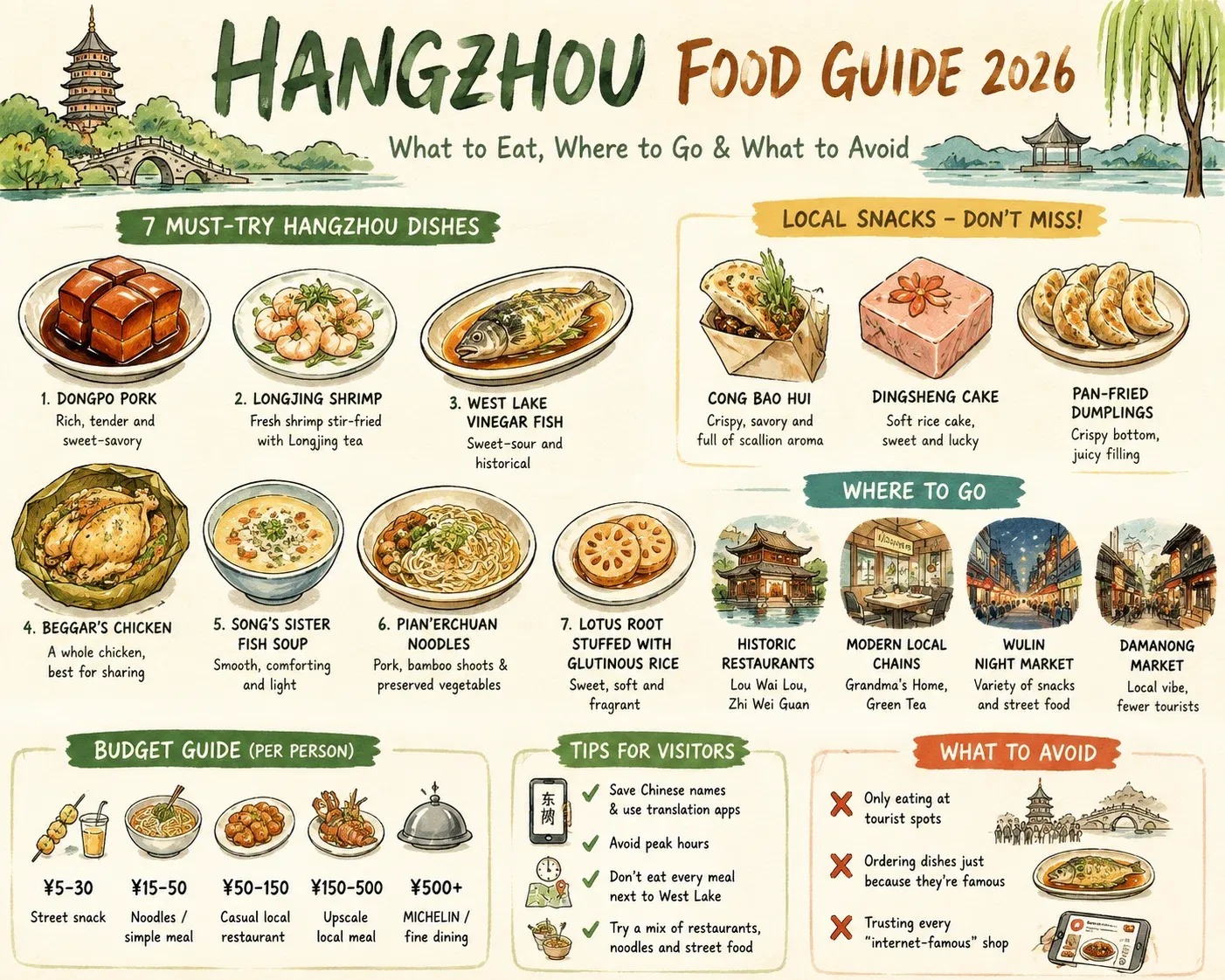
Hangzhou cuisine, commonly called Hangbangcai (杭帮菜), is part of Zhejiang's broader culinary tradition.
Its style is generally fresh, ingredient-focused and less dependent on chili heat than Sichuan or Hunan cuisine. Freshwater fish, shrimp, bamboo shoots, lotus root, tea, preserved vegetables and seasonal produce appear frequently.
Sweetness and vinegar also matter, but “light” does not mean bland.
Dongpo Pork is rich and deeply braised. West Lake Vinegar Fish is distinctly sweet-sour. Pian'erchuan gets much of its flavor from preserved vegetables and bamboo shoots. Longjing Shrimp relies on the fragrance of tea rather than a heavy sauce.
Hangzhou's food culture is also closely connected with the Southern Song period, West Lake and historical figures such as Su Dongpo.
No.
“Light” usually means the ingredient is allowed to remain recognizable rather than being overwhelmed by chili, cumin, oil or a very thick sauce.
Braising, stock, soy sauce, vinegar, tea fragrance and sweetness can still create strong flavors. If you prefer Chinese food without intense chili heat at every meal, Hangzhou can be an approachable place to explore regional cuisine.
Yes—especially if you enjoy rich braised pork.
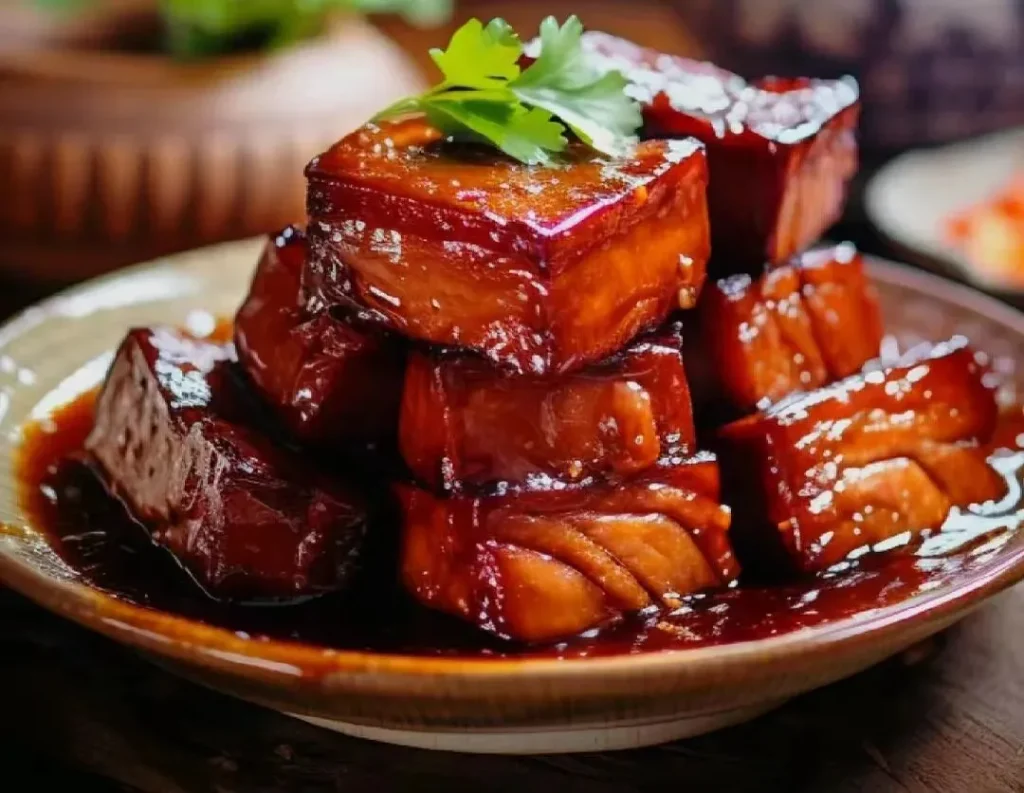
Dongpo Pork is made from thick pieces of pork belly slowly braised until the fat becomes soft and silky while the lean meat stays tender. The flavor is savory, slightly sweet and deeply cooked rather than spicy.
The dish is associated with Su Dongpo, the Song-era poet and official closely connected with Hangzhou.
For international visitors, it has one major advantage: you do not need to understand the history to understand why the dish works.
Order it if: you enjoy pork belly, soft textures and sweet-savory braises.
Skip it if: you strongly dislike fatty meat.
Try it if the history interests you, but I would not call it compulsory.
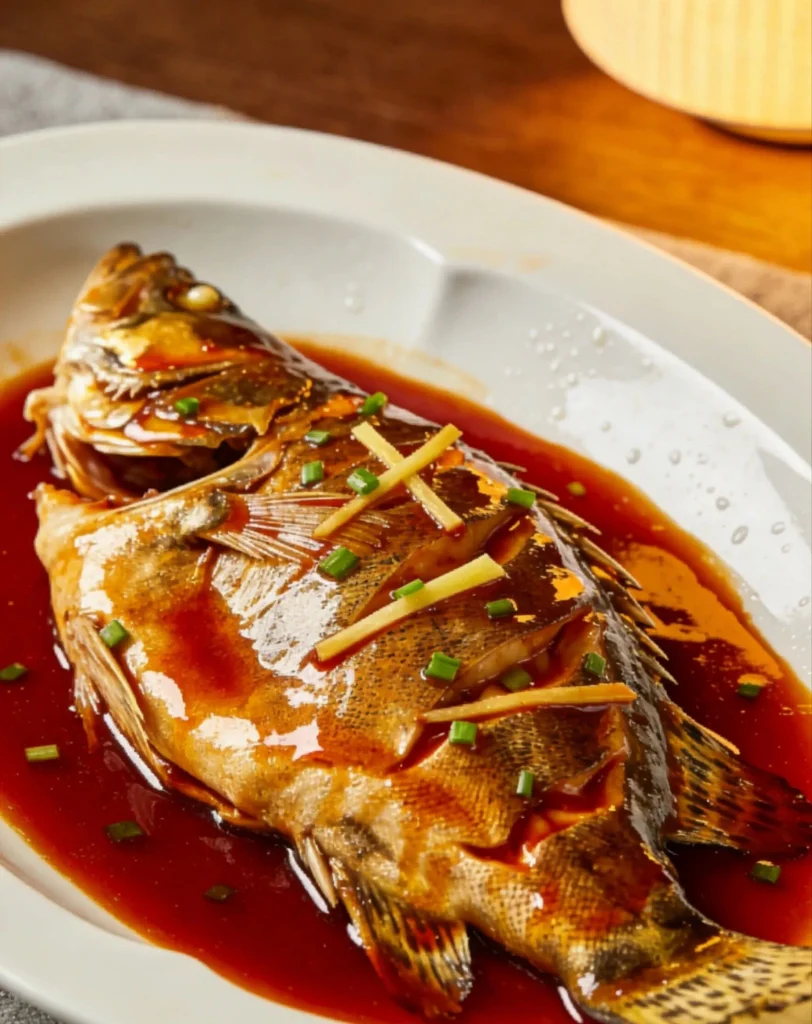
West Lake Vinegar Fish is typically a whole freshwater fish served with a sweet-sour vinegar sauce. It is one of Hangzhou's best-known traditional dishes, yet it can also be one of the most divisive for first-time visitors.
Preparation matters.
At its best, the fish should taste clean and tender, while the vinegar provides balance rather than overwhelming the fish. At a mediocre restaurant, the same dish can be far less convincing.
If you specifically want the historical restaurant experience, Lou Wai Lou (楼外楼) is the obvious name to know. Founded in 1848, it sits at 30 Gushan Road (孤山路30号) beside West Lake and has long been associated with traditional Hangzhou dishes.
I would order West Lake Vinegar Fish because I wanted to understand Hangzhou food history—not simply because a tourist checklist told me to.
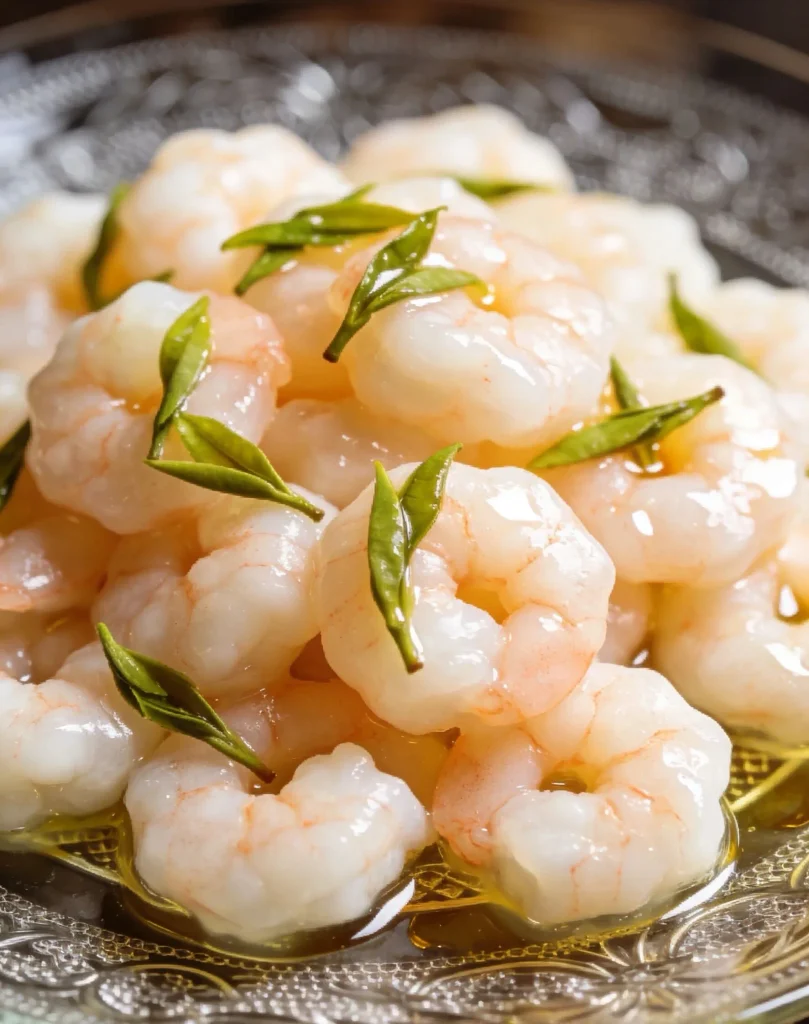
Longjing Shrimp is one of the clearest expressions of Hangzhou's relationship with tea.
Shrimp are lightly cooked with tender Longjing tea leaves. The shrimp provide sweetness and texture while the tea contributes fragrance rather than a powerful tea flavor.
The dish is delicate, particularly compared with Dongpo Pork.
Spring is especially relevant because of the fresh tea season, although restaurants serve Longjing Shrimp throughout the year.
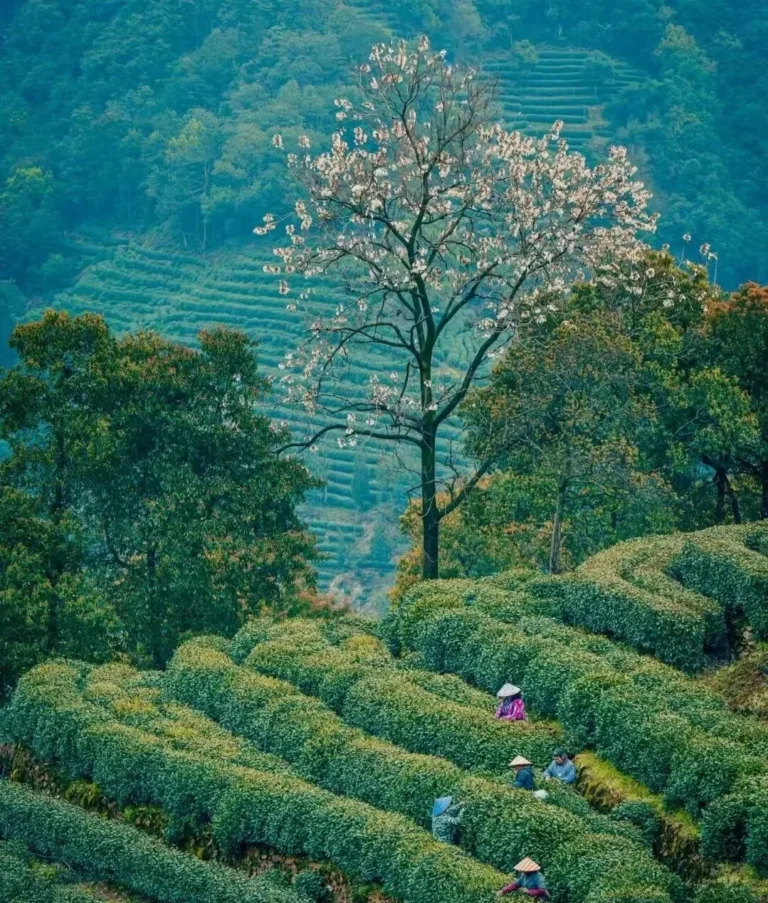
If you want to connect the dish with the place it comes from, TripChina's Longjing Village guide for foreign travelers explains the village, routes and practical visiting tips.
Usually not.
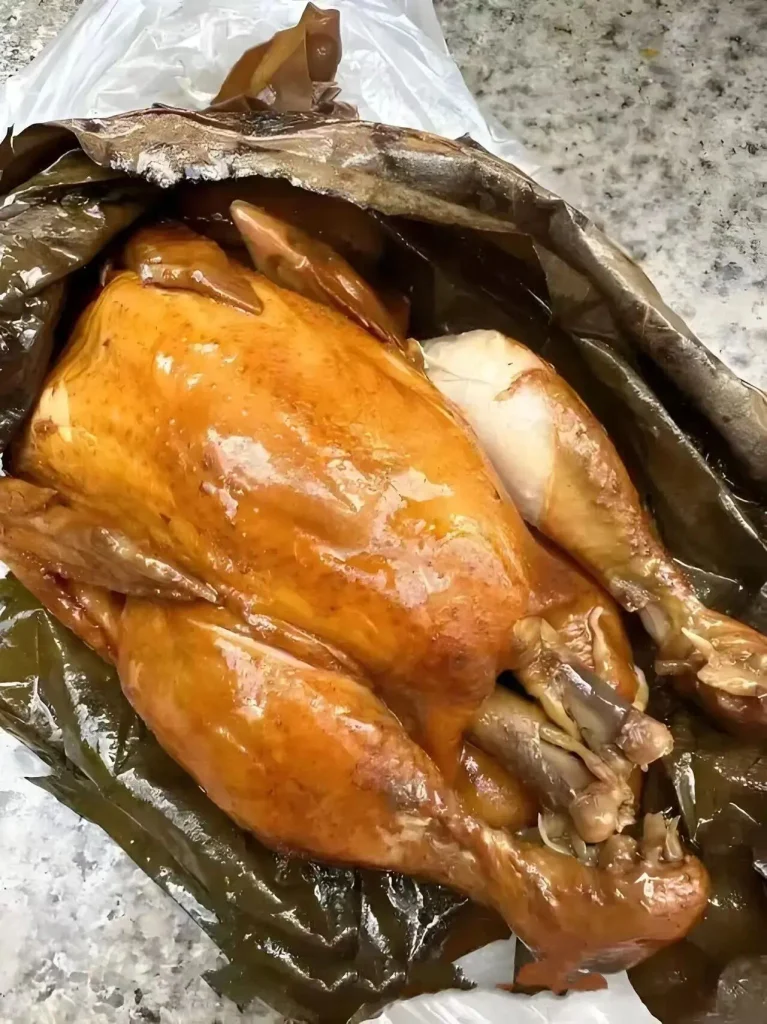
Beggar's Chicken is traditionally prepared as a whole chicken, often wrapped with lotus leaves and associated with clay-style slow cooking.
Part of the appeal is presentation: opening the wrapping releases the aroma and makes the dish feel more ceremonial than an ordinary chicken order.
Because it is a whole bird, it makes more sense for two or more diners, especially when the table already includes several dishes.
Solo travelers should check the portion before ordering.
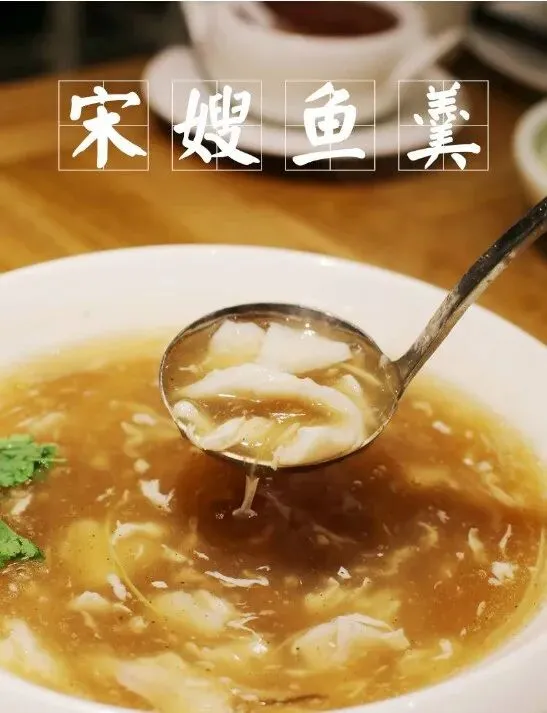
Song's Sister Fish Soup is a gentler introduction to Hangzhou's freshwater food tradition.
The dish is associated with the Southern Song period and uses finely prepared fish in a smooth, slightly thickened soup, commonly accompanied by ingredients such as bamboo shoots and wood ear mushrooms.
It works particularly well when the table already contains richer meat dishes.
If you want to try fish in Hangzhou but feel uncertain about the strong sweet-sour profile of West Lake Vinegar Fish, this is often the easier choice.
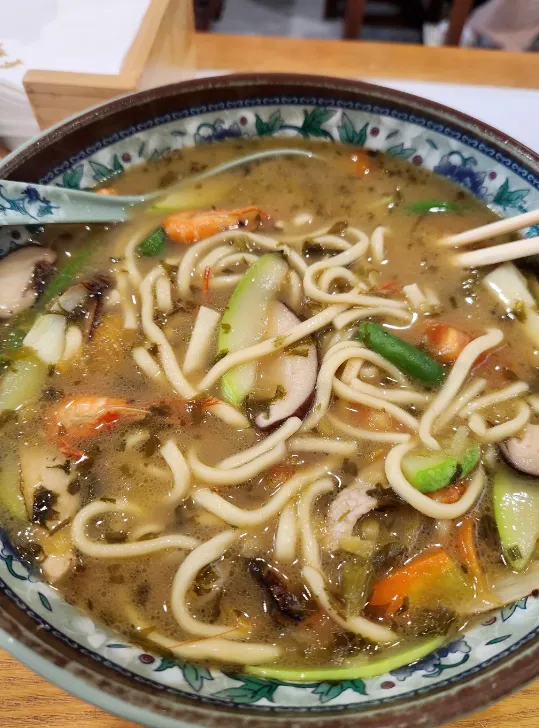
Pian'erchuan is the dish I would choose when you want to experience ordinary Hangzhou rather than ceremonial Hangzhou.
It is a noodle soup commonly built around:
It is inexpensive, filling and closely associated with everyday local eating.
You do not need a West Lake view for this one. An ordinary noodle shop is part of the experience.
Lotus root is filled with glutinous rice, slowly cooked and served with a sweet syrup, often scented with osmanthus.
It can appear as a cold dish, snack or dessert.
The sweetness is usually different from a rich Western cake or pastry: the texture of the lotus root and sticky rice remains central, while the floral aroma of osmanthus gives the dish much of its character.
It is an easy option to share after a heavier Hangzhou meal.
Street snacks are useful because they let you taste several things without turning every stop into another full restaurant meal.
At small stalls, do one simple thing before ordering: confirm the price first.
Most transactions are straightforward, but knowing the price before the food is prepared removes unnecessary confusion.
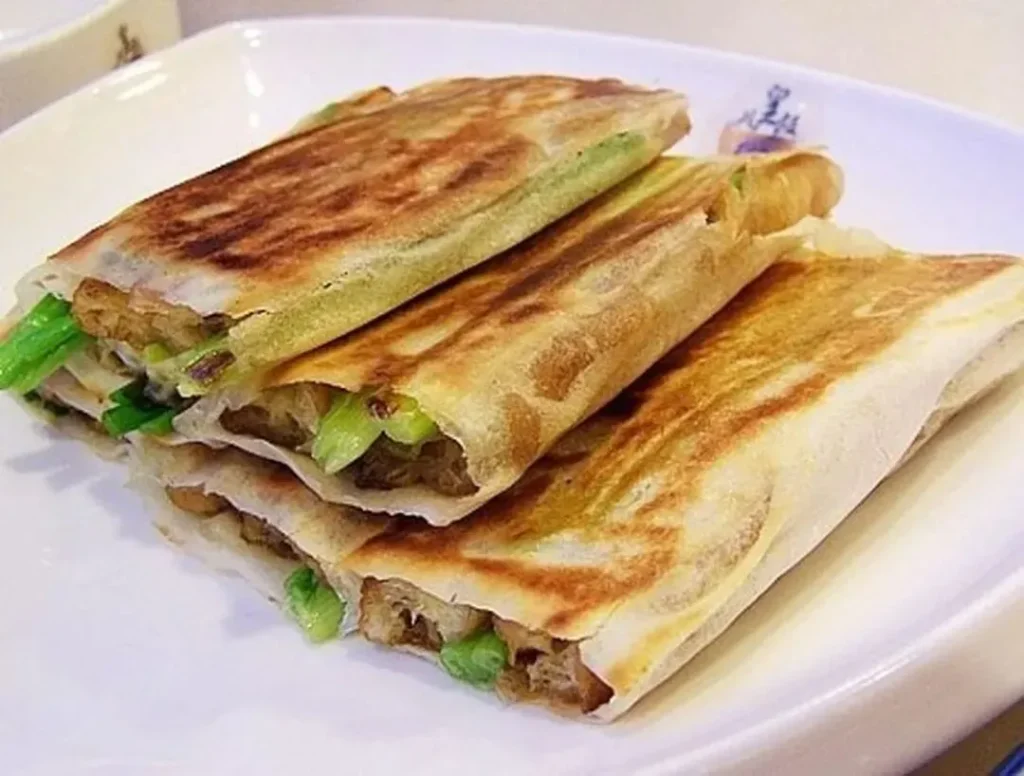
Cong Bao Hui is one of Hangzhou's most recognizable local snacks.
A thin wrapper or flatbread surrounds fried dough and scallions, then gets pressed on a hot griddle until crisp. Sweet or savory sauce is typically added.
The appeal is mostly texture:
crisp wrapper + chewy fried dough + scallion aroma + warm sauce
It is inexpensive, filling enough to feel substantial and small enough to eat while exploring.
孙奶奶葱包桧 is one of the better-known names associated with the snack.
One reason the stall is interesting is not just the food itself: generations of Hangzhou residents have known this style of neighborhood snack, and people who ate it when younger have returned later with their own children.
The stall has long been associated with the Zhongshan South Road (中山南路) area, but small-stall addresses and operating patterns can change.
Instead of relying on a street number copied from an old article, search:
孙奶奶葱包桧
in Amap (Gaode) or another current Chinese map app on the day you visit.
That is more reliable for a small food stall than treating its location like a permanent museum entrance.
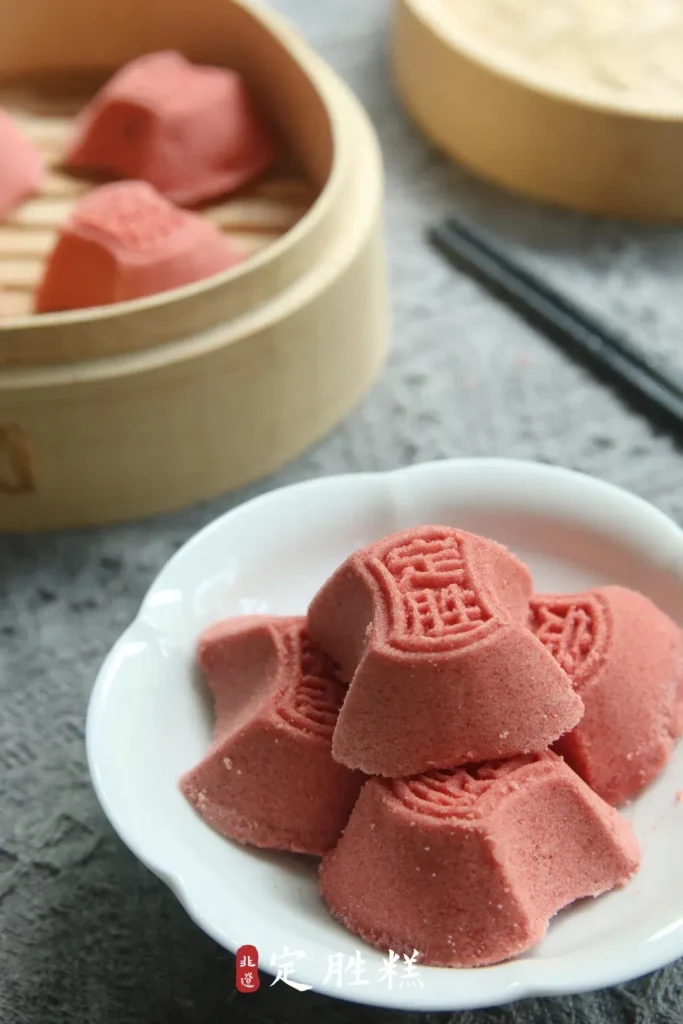
Dingsheng Cake is a soft steamed rice cake, usually pale pink and often filled with sweet red bean paste.
Its name carries an association with victory and success, which contributes to its cultural connection with exams and important occasions.
The cake is small, portable and mildly sweet, making it easy to try without committing to another large meal.
Pan-fried dumplings are widely available, so you do not need to chase one famous shop.
One name worth knowing is Pan Fang Chun (泮芳春) on Zhongshan South Road, which appears in the MICHELIN Guide's Hangzhou selection.
A simple breakfast of crisp-bottomed dumplings and soy milk is an easy introduction to local everyday dining.
At neighborhood shops, do not expect every menu to have English.
Yes, but taste it before buying several souvenir boxes.
Hot water turns lotus-root starch into a thick, translucent mixture. Osmanthus, nuts, dried fruit or other toppings may be added.
For many Western visitors, the unexpected part is the texture, not the sweetness.
Try one freshly prepared bowl first. If you enjoy it, then consider buying packaged lotus-root starch to take home.
Rather than searching for a single “best restaurant,” choose the type of meal that fits what you want from that moment of the trip.
Three names represent different versions of traditional Hangzhou dining.
| Restaurant | Founded | Useful For | Practical Note |
|---|---|---|---|
| Lou Wai Lou (楼外楼) | 1848 | West Lake setting and food history | Best treated as a heritage experience |
| Zhi Wei Guan (知味观) | 1913 | Snacks and an easy first introduction | Broad menu and central location |
| Hangzhou Restaurant (杭州酒家) | 1921 | Traditional Hangzhou dishes | Less dependent on a lake-view experience |
Lou Wai Lou is the history-first option.
Its Gushan Road location beside West Lake makes it easy to combine with sightseeing, particularly if you specifically want the heritage context around dishes such as West Lake Vinegar Fish.
Do not assume that age or fame guarantees that every dish will match your personal taste.
Zhi Wei Guan is easier to recommend as a casual first encounter with traditional Hangzhou snacks.
Its well-known central location is:
83 Renhe Road (仁和路83号)
It is near the Hubin commercial area and accessible from Metro Line 1, Longxiangqiao Station (龙翔桥站).
As of September 2026, current listings commonly show approximately 10:30 AM–9:30 PM opening hours for the Renhe Road main restaurant. Restaurant hours can change, so confirm the branch before making a special trip.
A practical meal there can cost roughly ¥80 per person, depending heavily on what and how much you order.
Its real advantage is variety: you can try several smaller local snacks without building an entire meal around one ceremonial dish.
They are real Hangzhou-grown restaurant brands, but they represent modern chain dining rather than the same experience as an old neighborhood shop.
Grandma's Home (外婆家) was founded in Hangzhou in 1998, growing from its original Macheng Road restaurant into a major nationwide chain.
Its appeal has long been tied to accessible pricing, familiar Chinese dishes and convenient shopping-center locations.
Green Tea Restaurant (绿茶) is another Hangzhou-origin chain that became widely known for a comfortable modern environment and broad menu.
For foreign visitors, chains like these have practical advantages:
I would use them when convenience matters, but not as the only evidence of what Hangzhou food is.
Restaurant conditions vary by branch, so check recent branch-specific reviews if hygiene, queues or service are especially important to you.
Yes.
The official 2026 MICHELIN Guide Shanghai, Jiangsu & Zhejiang includes 88 Hangzhou restaurants, with 14 new entries.
Hangzhou has two restaurants holding Two MICHELIN Stars:
Another 11 Hangzhou restaurants retained One MICHELIN Star.
Chef Yu Bin of Jie Xiang Lou also received the 2026 MICHELIN Guide Mentor Chef Award. MICHELIN describes Jie Xiang Lou's approach as balancing Zhejiang tradition with contemporary technique and changing its seasonal menu monthly.
For a special-occasion meal, reserve directly with the restaurant and check the current menu rather than relying on an old average-spend figure.
Vegetarian travelers have plenty of options, but a dish made mainly from vegetables is not automatically vegetarian.
Chinese restaurant cooking may use:
If you need strict vegetarian food, say so clearly before ordering.
The current MICHELIN Hangzhou listings include dedicated vegetarian restaurants such as Nature's Own and Fu Quan Shu Yuan, so you do not have to rely entirely on modifying meat-based menus.
Yes, especially if convenience matters.
Wulin Night Market (武林夜市) is central and easy to combine with an evening in downtown Hangzhou.
Expect a mixture of:
Its strength is variety, not culinary purity.
Use it as an easy evening tasting stop rather than assuming every stall represents traditional Hangzhou cuisine.
It is convenient, especially when you are already sightseeing around Qinghefang.
Hefang Street has traditional-looking shops, snacks, souvenirs and a large tourist presence.
That makes it easy to try something spontaneously, but do not assume every food sold from an antique-style storefront is uniquely Hangzhou.
Try one or two snacks, enjoy the atmosphere, and move elsewhere for a full meal if food quality matters more than sightseeing convenience.
If your day is centered on the lake and historic core, TripChina's West Lake guide can help you plan the sightseeing side without turning the entire day into restaurant detours.
Damanong offers a more ordinary market environment than the major sightseeing streets.
Expect fewer English menus and fewer businesses designed around tourist photography.
This is where a little preparation helps most:
save Chinese dish names, use image translation, and point when necessary.
You do not need fluent Mandarin. You need a reliable way to show what you want.
Shenglihe offers a canal-side food-street atmosphere outside the most obvious West Lake visitor circuit.
I would not describe it as universally “more authentic” than Wulin because tenants and business conditions change.
A simpler decision works better:
Choose Wulin Night Market for convenience and variety.
Choose Shenglihe if you want a different evening food-street environment away from the central sightseeing core.
As of September 2026, use these as rough planning ranges rather than official prices.
| Meal Type | Practical Budget | What It Usually Covers |
|---|---|---|
| Small street snack | ¥5–30 | Cake, Cong Bao Hui, dumplings or drink |
| Simple noodles / breakfast | ¥15–50 | Noodles, dumplings, soy milk |
| Casual local restaurant | ¥50–150/person | Shared dishes depending on group size |
| Upscale local meal | ¥150–500/person | Higher-end setting or specialty dishes |
| MICHELIN / fine dining | ¥500+/person | Premium à la carte or tasting-menu dining |
Branch pricing, seafood, alcohol, seasonal ingredients and set menus can move the bill far outside these ranges.
Check the menu before ordering rather than treating any online “average cost” as guaranteed.
No.
The West Lake area is convenient, scenic and naturally full of restaurants aimed at visitors. Location is part of what you are paying for.
That does not make those restaurants bad.
But eating only there can give you a narrow view of Hangzhou food.
At least once, eat in a normal commercial or residential district, noodle shop or local market environment where food—not lake frontage—is the main reason people are there.
No.
A long queue can mean a place is excellent. It can also mean the storefront photographs well or suddenly became popular on social media.
If the wait is 60 minutes for a snack you did not care about until you saw the queue, I would keep walking.
Hangzhou has too many food options to spend half an afternoon proving that an internet-famous dessert is famous.
No.
Hangzhou works particularly well as a grazing city.
A noodle breakfast, one traditional restaurant meal, tea, Cong Bao Hui and a small evening-market snack can expose you to more of the city's food culture without turning every stop into another banquet-style table.
Generally, no.
Tipping is not customary in ordinary local restaurants.
Some hotels, luxury restaurants or fine-dining venues may include a service charge or use a different billing structure. Check the bill rather than automatically adding a US-style 15–20% tip.
Save these names on your phone:
| English | Chinese |
|---|---|
| Dongpo Pork | 东坡肉 |
| Longjing Shrimp | 龙井虾仁 |
| Pian'erchuan | 片儿川 |
| Song's Sister Fish Soup | 宋嫂鱼羹 |
| Cong Bao Hui | 葱包烩 |
Photos often work faster than translating an entire menu.
At small shops and stalls, pointing at the item being cooked—or politely pointing to what another customer has ordered—is normal.
Larger historic restaurants are more likely to have photo menus, English translations or staff used to visitors, while a small noodle shop may have only Chinese text.
Install your translation and navigation tools before you need them; TripChina's essential China travel apps guide covers the core setup for international travelers.
Do not assume “not spicy” means allergy-safe.
Ingredients that may not be obvious from appearance include soy, wheat, sesame, peanuts, shellfish, fish stock, pork fat and cooking wine.
For a serious allergy, prepare a written card and show it before ordering.
A useful sentence is:
我对_____严重过敏。
I am severely allergic to _____.
Do not wait until the food arrives to begin explaining a serious allergy through machine translation.
If cross-contact could cause a severe reaction, discuss your needs clearly with the restaurant before eating; small stalls may not be able to guarantee separation of ingredients.
Typical peak periods are roughly:
Lunch: 11:30 AM–1:30 PM
Dinner: 5:30 PM–7:30 PM
These are planning rules of thumb, not official restaurant hours.
For a famous heritage restaurant, arriving before the main meal rush can save considerable waiting time.
You do not need twelve restaurants.
Breakfast: Pian'erchuan noodles or pan-fried dumplings with soy milk.
Lunch: Zhi Wei Guan or another traditional Hangzhou restaurant.
Afternoon: tea around West Lake or Longjing Village.
Snack: Cong Bao Hui or Dingsheng Cake.
Dinner: choose a neighborhood restaurant, a modern local chain, or a more ambitious heritage/fine-dining meal depending on budget.
Evening: browse Wulin Night Market if you still want something small.
That gives you several different food environments without forcing six full meals into one day.
For getting between downtown, West Lake, Longjing and farther neighborhoods, TripChina's Hangzhou transport guide for foreign visitors covers metro, DiDi, Alipay and other practical transport options.
This article is part of the Hangzhou Travel Guide Hub.
Spring is particularly interesting for fresh Longjing tea and bamboo shoots, while autumn brings osmanthus and another set of seasonal flavors. Most famous Hangzhou dishes remain available year-round, so season changes ingredient character more than basic access to the cuisine.
Yes. Common portable choices include packaged lotus-root starch, Longjing tea, osmanthus sweets and packaged traditional cakes. Check your destination country's rules before carrying tea, plant material, meat products or other food across the border.
Do not assume that every small independent restaurant or street stall will accept your physical international card directly. Mobile payments are widely used in China, while cash remains legal tender, so having more than one payment option is useful.
TripChina's payment guide for foreign travelers in China explains Alipay, WeChat Pay, international cards and cash in more detail.
For two people, two substantial dishes plus one vegetable dish, soup or smaller side is usually a sensible starting point. If one dish is a whole chicken, whole fish or especially large plate, order conservatively first—you can always add another dish later.
Do not measure a Hangzhou food trip by how many famous dish names you cross off.
A famous West Lake restaurant, an ordinary bowl of noodles and an evening market reveal different parts of the same city.
Choose restaurants for the experience they are actually good at, confirm dynamic details before making a special trip, and leave enough room in the itinerary to walk into an ordinary place simply because it looks busy with local diners.
That is often where the most memorable meal happens.
Hangzhou Municipal Government — English Portal
MICHELIN — 2026 Shanghai, Jiangsu & Zhejiang Guide
MICHELIN Guide — Hangzhou Restaurant Selection
Grandma's Home — Official Brand History
Updated September 2026. This guide was checked against current Hangzhou government information, official MICHELIN 2026 data, restaurant brand information, and TripChina's practical local-travel framework. Dynamic details—including restaurant hours, prices, queues, menus and small-stall locations—are treated as estimates where appropriate and should be rechecked shortly before visiting. Practical content such as Chinese dish names, allergy wording, ordering methods, meal-time crowd patterns and on-site decision tips was retained for international travelers.
TripChina.me creates practical China travel guides shaped by real local experience, helping independent travelers navigate transport, payments, food, neighborhoods, and the cultural details that make traveling in China easier and more meaningful. Find the guide for your destination at tripchina.me.