Our Location:
No. 99, Jiazi Road, Chengdu

 authorChris Lee
Most people arrive expecting West Lake to be one attraction. It is not. The lakefront itself is free, while temples, pagodas, islands and boats operate separately. This West Lake Hangzhou guide helps first-time visitors choose the right 4–5 hour route, understand what actually costs money, use official boats, handle Lingyin reservations and avoid the mistakes that can turn a beautiful day into an exhausting one.
• West Lake itself is free. The main lakeside paths require no general admission ticket.
• For a first visit, allow about 4–5 hours. The full 15 km loop takes roughly 4–6 hours on foot, but most first-time visitors are better off exploring a 3–5 km highlight section.
• Three Pools Mirroring Moon requires a boat. Standard tourist boats are commonly around RMB 55, while deluxe or antique-style boats are around RMB 70. These island-route products normally include island entry, but always confirm the current ticket type at the dock before paying.
• Lingyin Temple and Feilai Feng have been free since December 1, 2025, but real-name advance reservation is required. Same-day reservation is not available.
• Go before 8 AM or after 4 PM if possible. The busiest period is generally late morning through mid-afternoon.
• Rainy days can be surprisingly rewarding: mist changes the landscape completely and crowds are often lighter.
See the Lingyin section below for passport booking, waitlist and no-show rules.
| Route Option | Typical Time | Typical Cost | Walking | Best For |
|---|---|---|---|---|
| Classic Highlights Walk | 3–4 hrs | Free | Moderate | First-time budget travelers |
| Full Lake Loop | 4–6 hrs | Mostly free | High | Walkers and photographers |
| Lake + Island | 4–5 hrs | Boat fare required | Moderate | Best all-round first visit |
| Boat + E-cart | 3–4 hrs | Moderate | Low | Families and low-mobility travelers |
| West Lake + Lingyin | Full day | Mostly free + transport | Moderate | Culture-focused visitors |
TripChina Pick: For most first-time visitors, choose the Lake + Island option. You get the causeways, open-water views and Three Pools Mirroring Moon without exhausting yourself on a full 15 km circuit.
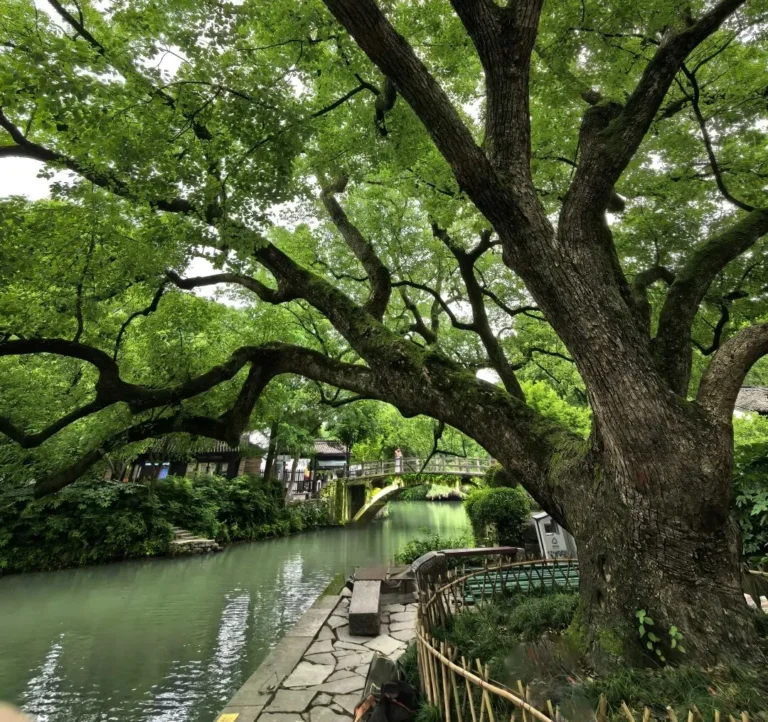
West Lake (西湖, Xī Hú) is the centerpiece of the UNESCO-listed West Lake Cultural Landscape of Hangzhou, inscribed in 2011. Unlike a conventional gated attraction, it is a large cultural landscape of water, causeways, gardens, hills, temples, pagodas and historic sites.
The main lakeside landscape is free to explore. There is no single West Lake entrance gate or general lake ticket.
You pay only for certain individual attractions and services, such as Leifeng Pagoda or tourist boats.
West Lake is also famous for the “Ten Scenes of West Lake” (西湖十景), including Su Causeway in spring, Broken Bridge in snow and Three Pools Mirroring Moon.
The Ten Scenes are poetic landscape concepts, not a mandatory sightseeing checklist. You do not need to visit all ten. Pick the places that fit your interests and leave enough time to enjoy the lake itself.
For most first-time visitors, Metro Line 1 to Longxiangqiao Station (龙翔桥站) is the easiest choice. From the station, the Hubin lakeside is only a short walk away.
Other useful access points include:
• Fengqi Road (凤起路) for the northern side
• Wushan Square (吴山广场) for the southern lake and Hefang Street area
• Other nearby stations can work better depending on your exact route
If you are arriving from Hangzhou East Railway Station, Line 1 toward the central city is usually the simplest public-transport option.
For metro payment, DiDi and transport without a Chinese bank card, see the Hangzhou Transport Guide for Foreign Visitors.
If this is your first trip to China, it is also worth setting up Alipay for foreign visitors, learning how to use DiDi without a Chinese number, and installing the essential travel apps for foreign visitors before sightseeing.
Buses can be useful when you want to reach a specific side of the lake rather than simply arrive at Hubin.
Scenic and seasonal routes change more often than metro services, so check the current route before relying on one.
The WE1314 “Love Bus” is one of Hangzhou’s better-known scenic routes around the West Lake area. Operations and schedules can change with season, weather and traffic controls, so treat it as an optional sightseeing ride rather than the backbone of your itinerary.
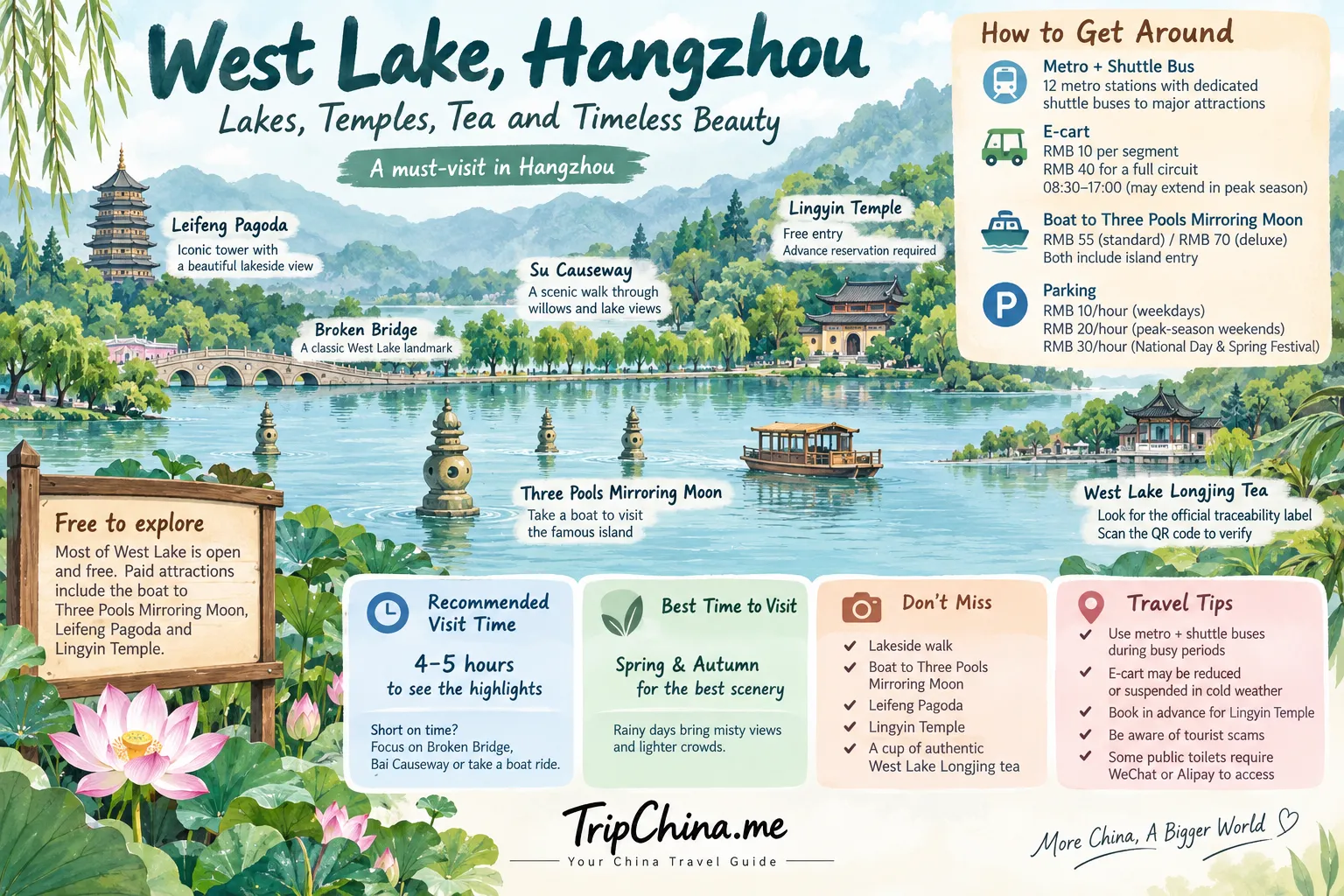
During the autumn tourism peak from September through November, Hangzhou also operates dedicated shuttle services connecting 12 metro stations around West Lake with major scenic areas, including Broken Bridge, Leifeng Pagoda, Su Causeway and Lingyin.
Look for scenic-area shuttle signs after leaving the metro. At major access points such as Longxiangqiao and Fengqi Road, ask metro or bus staff which shuttle serves your destination. This is often easier than trying to take a taxi directly into the most congested parts of the scenic area.
For most overseas visitors, no.
West Lake uses traffic-control measures during busy periods. These can include odd-even license-plate restrictions and additional limited-access measures around Lingyin and Nanshan Road.
During spring and autumn tourism peaks, some vehicles entering controlled areas may need to obtain a “West Lake Pass” (西湖通) in advance through designated Hangzhou digital channels. Eligibility, quotas and implementation dates can change, so check the current official traffic notice before driving.
Parking is another problem. Scenic-area daytime parking is typically RMB 20 per hour on tourism-peak weekends and RMB 10 per hour on ordinary weekdays. During major long-holiday periods such as National Day and Spring Festival, daytime rates can reach RMB 30 per hour.
The tourism-peak parking periods generally cover March 15–May 31 and September 15–November 30, but holiday-specific rules take priority.
If you must drive, use an official peripheral parking-and-transfer facility and continue by public transport.
For a foreign visitor unfamiliar with Hangzhou’s traffic rules, metro + shuttle + walking is much easier.
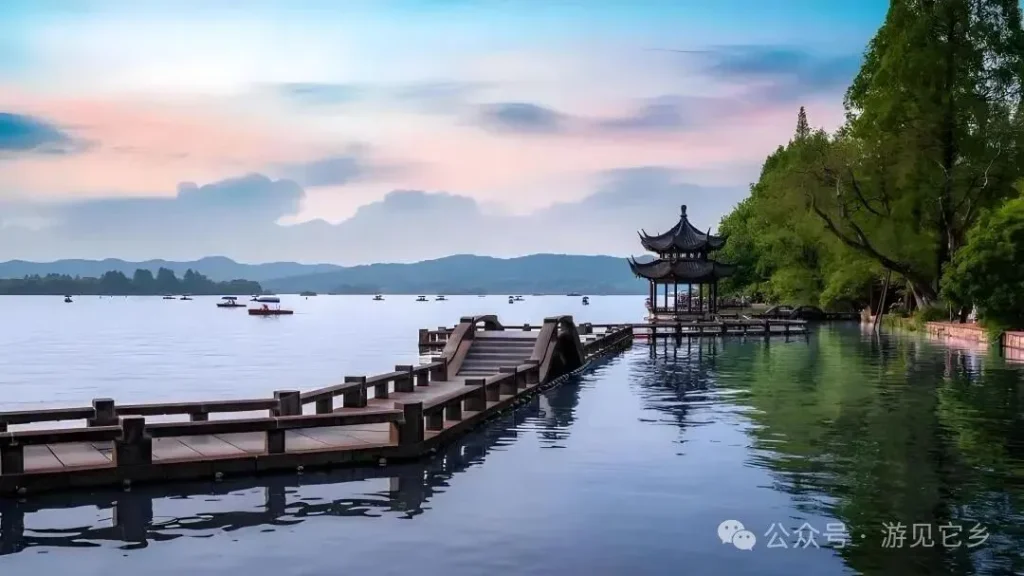
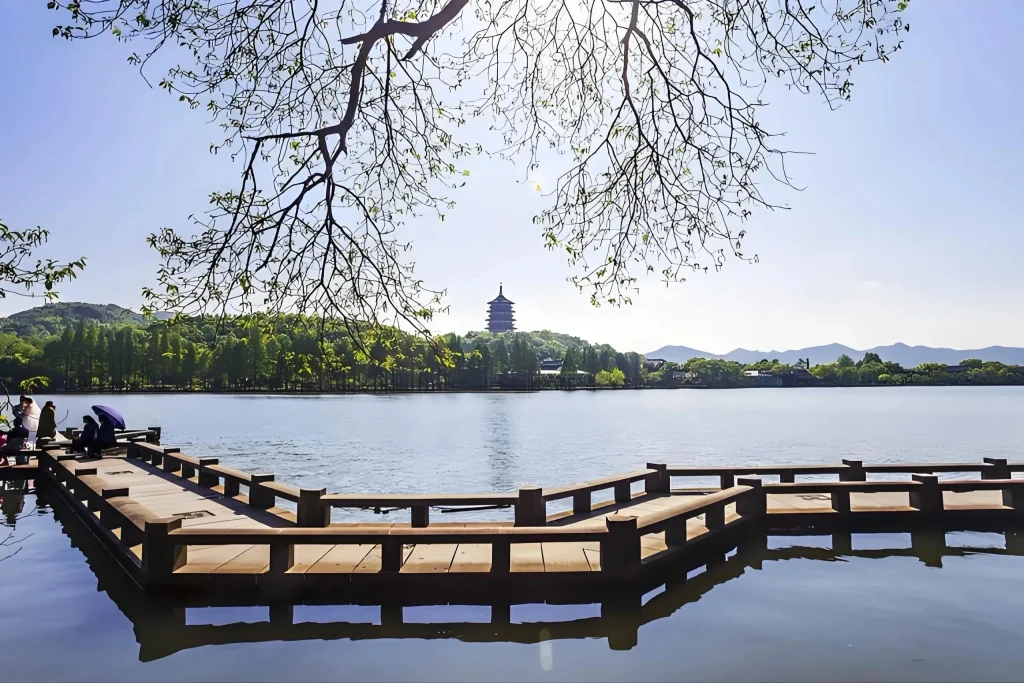
Yes—but you do not need to walk all the way around it.
The full circuit is approximately 15 km and normally takes 4–6 hours once photo stops, bridges and crowds are included.
For a first visit, a 3–5 km section gives a much better effort-to-experience ratio.
A classic combination is Broken Bridge → Bai Causeway → Solitary Hill area → Su Causeway or a boat connection → southern lake.
If walking is your main interest, compare this with TripChina’s Hangzhou City Walk routes.
Shared bicycles are useful for moving between different sides of the scenic area, but do not assume every lakeside path permits cycling.
Cycling restrictions apply on pedestrian-focused sections such as Su Causeway and Bai Causeway. Use designated roads and cycle lanes around the outer lake area and follow current signs.
The practical rule is simple: use a bike to move between areas, not to push through the busiest scenic causeways.
Yes for older travelers, families, or anyone trying to reduce walking.
Sightseeing e-carts operate by route and segment. Standard segment rides are commonly around RMB 10, while a standard full circuit is around RMB 40 per person. Some antique-style or narrated vehicles can cost more, commonly around RMB 20 per segment.
Important: RMB 40 buys one full circuit. It is not an unlimited all-day hop-on-hop-off pass. If you leave the vehicle and later board again, do not assume the original full-circuit ticket covers repeated rides.
Operating hours are typically around 08:30–17:00, with possible extensions during tourism peaks. Hours can still change according to season, weather and visitor conditions, so confirm the final service time on the day.
Services may also be reduced or temporarily suspended during poor weather or cold winter conditions. If the e-cart is essential for a low-mobility itinerary, confirm availability on-site before committing to a long route.
A boat is one of the few paid additions that genuinely changes how West Lake feels.
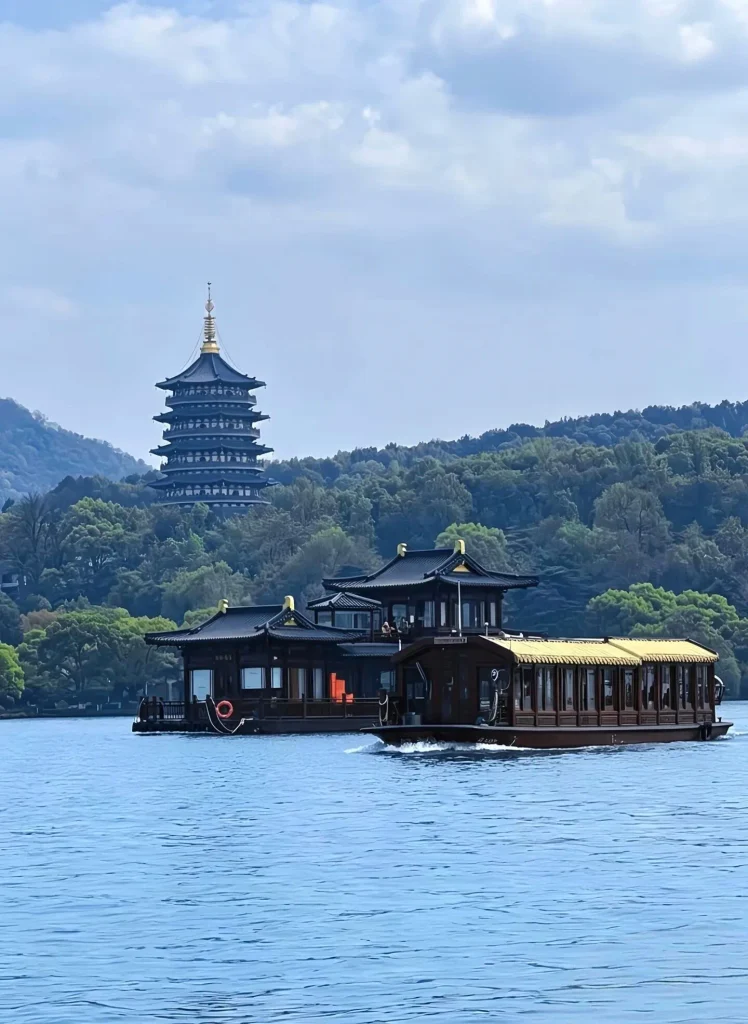
From the water, the lake’s layout becomes much clearer: the causeways divide the water, hills frame the skyline and Leifeng Pagoda becomes part of the wider landscape.
Official boarding points include major lakeside areas such as Hubin, Huagang Guanyu, Yuewang Temple and other designated docks.
For tourist boats serving Three Pools Mirroring Moon, standard products are commonly around RMB 55 per person, while deluxe or antique-style boats are around RMB 70. Island-route tickets normally include access to Three Pools Mirroring Moon, but products can differ.
Important: not every West Lake boat lands on the island. Some services are sightseeing cruises only. Before paying, check whether the ticket specifically includes Three Pools Mirroring Moon island access.
If you cannot see an official fare board or clearly identified dock, do not buy the ticket.
Official hand-rowed boats are also available from designated docks. These are different from unauthorized “black boats” and from the large scheduled tourist boats serving Three Pools Mirroring Moon.
Hand-rowed boats are normally hired by time rather than by individual ferry ticket, with typical reference prices around RMB 150–180 per boat per hour for roughly 6–10 passengers depending on boat type and current operating rules. Confirm the total fare, duration and passenger capacity before boarding.
Night cruises are a separate product. Hangzhou has previously offered official night-cruise products around RMB 90 per person, but this should be treated as a reference price rather than a permanent fare.
Night cruises are seasonal and can be suspended because of weather, water conditions or operational changes. They do not have one permanent year-round timetable. Buy only from an official dock and check the current evening schedule before making plans.
During major public holidays, popular official docks may also use temporary crowd-control or boarding restrictions. If a boat ride is important to your itinerary, avoid the busiest midday period.
For boat types, boarding points and route differences, see the West Lake Boat Tour Complete Guide.
Spring brings peach blossoms, willows and classic Su Causeway scenery—but also some of the heaviest crowds.
Summer is hot and humid, but lotus season makes Quyuan Fenghe particularly worthwhile.
Autumn generally combines comfortable temperatures with excellent photography conditions. Osmanthus season is one of Hangzhou’s most distinctive periods.
Winter is quieter and visually restrained. Snow is uncommon, but when it arrives, Broken Bridge becomes one of the most photographed places in the city.
Before choosing dates, check China’s public holiday calendar and crowd periods. A normal weekday and a Chinese national holiday can feel like two completely different West Lakes.
Before 8 AM is my favorite window.
Broken Bridge and the causeways are dramatically calmer, morning light is softer, and you see a more everyday side of Hangzhou—locals walking, exercising and enjoying the lake before the main sightseeing crowds arrive.
Late morning through mid-afternoon is generally the busiest period.
If you cannot go early, go late. After 4 PM the light improves, some daytime crowds begin leaving and the transition into evening gives the lake a different atmosphere.
Yes. Rain can actually make West Lake more atmospheric.
There is a long-standing Hangzhou appreciation for the lake in mist and rain, reflected in the saying that the rainy lake can be more beautiful than the sunny lake.
Cloud, mist and softened light change the entire landscape, while visitor numbers may also be lower than on a clear weekend.
Bring an umbrella and shoes with decent wet-surface grip. Stone paths and bridges can become slippery.
Yes.
Su Causeway (苏堤) stretches roughly 2.8 km across the western side of the lake and is one of the best places for a long uninterrupted West Lake walk.
It is associated with Song Dynasty poet and official Su Shi, commonly known as Su Dongpo, who organized major dredging work on West Lake.
Yes, particularly if you start at Broken Bridge.
Bai Causeway (白堤) is shorter than Su Causeway and connects Broken Bridge with the Solitary Hill area. It combines one of the lake’s most famous landmarks with a manageable scenic walk.
Early.
Broken Bridge (断桥) is culturally famous for “Lingering Snow on the Broken Bridge” and its association with the Legend of the White Snake.
Aim for before 7–8 AM if quiet photography is a priority.
Not necessarily.
Leifeng Pagoda costs RMB 40, but some of its best photographic compositions are from outside the attraction—particularly Changqiao Park and sections of Su Causeway.
The pagoda has elevator access, which makes the interior visit easier for older travelers and people who prefer to avoid a long climb.
Opening hours vary by season. Official Hangzhou tourism information has listed shorter winter hours and extended evening hours during warmer months, including opening as late as 20:00 in parts of the year.
Last admission is earlier than the final closing time, so never arrive at the published closing time expecting to enter. Check the current official last-entry notice on the day of your visit.
For a first visit, yes.
Three Pools Mirroring Moon (三潭印月) sits on Xiaoyingzhou Island and is one of West Lake’s most recognizable landscapes.
The three stone pagodas also appear on the reverse of China’s RMB 1 banknote. Bring a RMB 1 note if you have one—the real landscape and the banknote make a simple West Lake photo souvenir.
A standard tourist boat serving the island is commonly around RMB 55, while deluxe or antique-style boats are around RMB 70.
Do not assume every sightseeing boat includes the island. Confirm “三潭印月上岛” or ask whether island access is included before paying.
Summer is the reason to come.
Quyuan Fenghe (曲院风荷) is especially attractive during lotus season. If photography is your priority, arrive early before the busiest part of the day.
Gate choice can make a difference during crowded periods; quieter entrances are often preferable to following the largest tour groups.
Yes.
Huagang Guanyu (花港观鱼) is a large free garden area near the southern end of Su Causeway. Its ponds, greenery and open spaces make it a useful break from denser sightseeing.
Changqiao Park.
Come around 30 minutes before sunset and photograph the pagoda across the water.
For many visitors, this composition is more memorable than the view from inside the tower—and it costs nothing.
If you are interested in Chinese history, yes.
Yuewang Temple (岳王庙) is dedicated to Song Dynasty general Yue Fei and sits near the northern end of Su Causeway.
It works best as a cultural stop rather than a must-see for every first-time visitor. Check the current ticket and opening-hour notice before entering, as operating arrangements can change.
Yes—and this is the biggest West Lake-area policy change that many older English guides still get wrong.
Since December 1, 2025, Lingyin Feilai Feng Scenic Area has operated under a “double-free” policy: the former Feilai Feng admission charge and Lingyin Temple’s separate RMB 30 incense ticket were abolished.
Entry is now free, but advance real-name reservation remains required.
Use the official “杭州灵隐飞来峰” mini-program in WeChat or Alipay. Reservations can be made up to seven days in advance, and same-day booking is not available.
Foreign visitors should use the passport/document option provided in the official reservation system and enter their identity details exactly as shown on the travel document.
If normal reservation slots are full, use the online waitlist (候补). Waitlist applications close at 20:00 on the day before entry, and results are notified by 22:00. Results are typically notified before the end of the day.
If your plans change, cancel before 17:00 on the day before your visit.
Do not make speculative reservations and then simply fail to appear. Under the current no-show system, a first recorded no-show can suspend reservation privileges for the booking account and booked visitor for 30 days.
For screenshots and the complete booking process, see the Lingyin Temple Reservation Guide for Foreign Travelers.
If Lingyin is only one part of a larger Hangzhou itinerary, the Hangzhou Attraction Ticket Guide explains which other attractions need advance planning.
| Your Priority | Recommended Plan | Time | Cost | Main Trade-Off |
|---|---|---|---|---|
| First visit | Causeway + Three Pools boat + south-lake view | 4–5 hrs | Boat fare | Best balance, but requires boat |
| Free sightseeing | Broken Bridge → Bai Causeway → lakeside walk | 3–4 hrs | Free | Misses the island |
| Photography | Early Broken Bridge + sunset Changqiao Park | Half/full day | Free | Requires careful timing |
| Low walking | E-cart + official boat | 3–4 hrs | Moderate | Less intimate than walking |
| Culture | West Lake + Lingyin | Full day | Mostly free + transport | Lingyin reservation required |
| Long walk | Full 15 km circuit | 4–6+ hrs | Free | Can become tiring |
For most first-time visitors, I would not chase every named “Ten Scene.” Use them as cultural context rather than a checklist.
West Lake works better when you leave some empty time between landmarks.
West Lake is still worth visiting.
For a short visit, choose one compact area instead of trying to circle the lake.
A practical route is Broken Bridge → Bai Causeway → Hubin lakeside, which gives you classic lake views in roughly 1.5–2.5 hours depending on stops.
Alternatively, make the boat your main experience: take an official boat to Three Pools Mirroring Moon and return without adding a long causeway walk.
With less than two hours, stay around Hubin and Broken Bridge. Skip Su Causeway and Leifeng Pagoda rather than spending your limited time in transit.
Use marked docks with displayed fares and identifiable operators.
If someone approaches you away from an official boarding point promising a special, private or unusually cheap boat ride, do not assume it is an authorized tourist service.
Before paying, confirm the boat type, total price, duration and whether Three Pools Mirroring Moon island access is included.
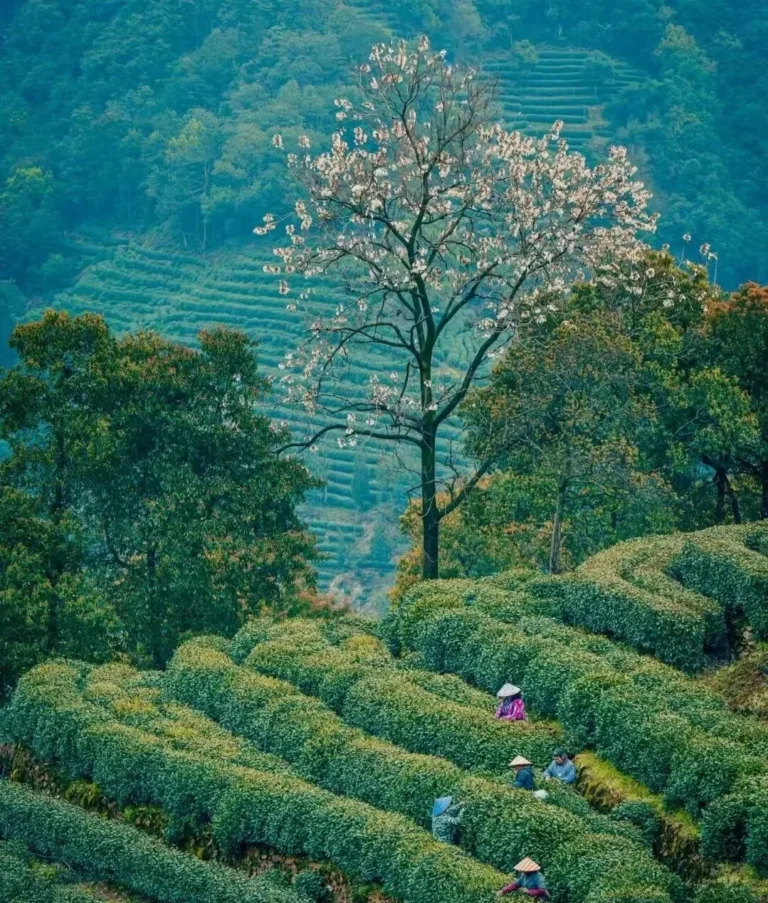
Longjing tea is one of the easiest Hangzhou souvenirs to misunderstand.
Genuine protected-origin West Lake Longjing varies enormously by grade, harvest date and producer. Rough retail prices can start around RMB 50–200 per 50 g for some genuine products, while high-grade pre-Qingming batches can cost significantly more.
That means price alone cannot authenticate the tea.
For packaged West Lake Longjing, look for the official traceability label (防伪溯源专用标识). Scan the QR code to check information about the registered production entity. The label has two types: tea farmer label (茶农标) and tea enterprise label (茶企标). Both are scannable and verifiable.
The 2026 version of the label uses gold-colored lettering and includes a tea-leaf watermark as part of its updated design.
Loose tea from a roadside seller has far less verifiable provenance than properly labeled tea from an established producer or retailer.
Be particularly cautious when a supposedly friendly driver, guide or stranger offers to take you to a “family tea shop.”
Hangzhou authorities have repeatedly carried out enforcement against unlicensed guides, illegal transport operators and improper tourist-shopping practices around the scenic area. Tea is one of the products that has historically appeared in this type of tourist-shopping enforcement.
If buying tea matters to you, read the Longjing Village Guide for Foreign Travelers before going.
Be cautious if someone on the lakeside approaches you with a very cheap or apparently free “tour.”
The problem is not every organized tour. The warning sign is unsolicited selling combined with pressure to visit tea shops, souvenir stores or paid attractions you did not ask for.
Ask what is included, whether shopping stops are compulsory and what the total price is before joining anything.
Parking regulations and prices around West Lake change by season, weekday and holiday period.
Use official parking facilities or leave the car outside the scenic core and transfer to public transport.
Never hand parking money to an unofficial roadside tout without confirming that the parking facility is legitimate.
The most convenient waterfront restaurant is not automatically the best place to eat Hangzhou food.
Walk away from the highest-traffic tourist strip before choosing a restaurant.
For local dishes and more practical restaurant choices, use the Hangzhou Food Guide.
For a wider list of common local tourist traps, see Hangzhou Tourist Traps & Mistakes to Avoid.
You do not need to enter Leifeng Pagoda simply because it is famous.
If your goal is photography rather than the interior experience, Changqiao Park may give you a better composition for zero yuan.
If there is one local-style decision that changes the experience, it is getting there before the main sightseeing crowds.
Before 8 AM, Broken Bridge can still feel spacious. You see residents walking, exercising and moving through a landscape that is part of everyday Hangzhou rather than simply a tourist attraction.
By late morning, the same places can feel completely different.
If you hate early starts, reverse the strategy: arrive later in the afternoon and stay through sunset.
The least rewarding compromise is often arriving at the most famous section around midday.
Yes.
The open lakeside promenades remain accessible after the daytime attractions close, and Hubin is particularly lively in the evening.
Paid attractions operate their own opening hours, so do not assume that Leifeng Pagoda, temples or other ticketed sites remain open simply because the lakeside does.
Seasonal night cruises may operate during warmer periods, but schedules are not fixed year-round.
Even without a cruise, evening reflections around Hubin and views toward Leifeng Pagoda can make staying after sunset worthwhile.
The Hubin musical fountain is one of the most searched-for evening attractions around West Lake, but it is also one of the easiest places to find outdated schedules online.
When operating, the fountain typically runs one evening show at 19:30. Schedules can change seasonally, and performances may be suspended for maintenance, weather or crowd control. However, show times can change seasonally, and performances may be suspended for maintenance, weather, crowd control or special events.
Check the ‘掌上西湖’ app or on-site notices on the day — the 19:30 timing is current as of spring 2026 but subject to change.
The fountain is near Hubin Road, within walking distance of Longxiangqiao Metro Station, and viewing is free.
This article is part of the Hangzhou Travel Guide Hub.
Much of the Hubin lakeside and major paved paths is relatively flat and suitable for strollers and many wheelchair users.
Causeways include bridges and gentle slopes, while boat boarding and island access can be less straightforward. For limited mobility, combine the flatter eastern lakeside with sightseeing carts and ask staff about boarding conditions before purchasing an island boat ticket.
Not usually. Alipay and WeChat Pay are widely used, but carrying a small amount of RMB is sensible for backup.
International cards are less dependable at small scenic-area vendors. Before your trip, see TripChina’s foreign visitor payment guide.
Yes. Public toilets are available around major parks, attractions and busy lakeside sections.
Facilities and supplies vary, so carrying tissues is useful. Some facilities may use QR-code-based access or digital service systems; if you encounter one that does not work with your phone or payment setup, look for another staffed or conventional public toilet nearby rather than relying on a single facility.
Yes, ordinary food and non-alcoholic drinks are generally fine in public park and lakeside areas.
Keep picnic stops to appropriate open spaces, do not use open flames, and take your rubbish with you or use public bins.
Do not assume every West Lake attraction has luggage storage.
Commercial luggage-storage services can be found around the Hubin and Longxiangqiao areas, but availability, opening hours and accepted suitcase sizes vary and capacity can become tight on busy weekends.
If you are arriving by train with a large suitcase, luggage storage at Hangzhou East Railway Station or Hangzhou Railway Station—or leaving your bags with your hotel—is usually more reliable than carrying them around West Lake.
Rules vary between open public areas and individual attractions.
Do not assume that a pet permitted on an outdoor public path will be accepted inside temples, pagodas, gardens, boats or other managed attractions. Check the posted rule at each entrance before taking a pet into a controlled site.
Do not expect a standardized official English-guided tour to be available whenever you arrive.
Private English-speaking guides and tour operators do serve West Lake, but availability, quality and pricing vary considerably. Half-day private services can cost several hundred yuan depending on the guide and what is included.
For independent travelers, saving Chinese place names on your phone and using a translation app is often more flexible and much cheaper.
Yes—but you do not need to “complete” it.
For a first trip, four or five well-planned hours are usually better than a rushed attempt to circle the entire lake.
Walk one good section. Take a boat if Three Pools Mirroring Moon interests you. Leave enough time to stop beside the water instead of moving constantly between landmarks.
Go before 8 AM if you can. Use the metro rather than driving. Pay only for attractions that genuinely add something to your visit.
For the rest of your trip, continue with the Complete Hangzhou Travel Guide.
From tranquil waters and ancient bridges to gardens, temples, and mountain views, this video captures the beauty and atmosphere of one of China’s most famous cultural landscapes.
Hangzhou Municipal Government — West Lake autumn shuttle bus and traffic-control information, including peak-season metro-to-scenic-area connections.
Hangzhou Culture, Radio, TV and Tourism Bureau — Official West Lake attraction, cruise and visitor information.
Hangzhou Municipal Agriculture and Rural Affairs Bureau — Official West Lake Longjing origin, brand protection and anti-counterfeit traceability information.
Hangzhou West Lake Scenic Area Administration — Official scenic-area management and Lingyin/Feilai Feng reservation information.
Updated September 15, 2026. This guide was checked against Hangzhou municipal, tourism, agriculture and West Lake Scenic Area information, with particular attention to Lingyin’s free-entry reservation policy, autumn metro shuttles, scenic-area traffic and parking controls, West Lake boat and e-cart products, and Longjing traceability rules. Boat fares, fountain shows, sightseeing-cart hours, night cruises and attraction schedules can change seasonally, so current official notices and on-site price boards take priority.
Planning your China trip? TripChina.me provides practical travel guides covering transport, food, neighborhoods, and local experiences. When you are ready for a smoother journey, our Premium Travel Guides offer ready-to-follow plans designed for independent travelers.