Our Location:
No. 99, Jiazi Road, Chengdu

 authorChris Lee
Hangzhou is easy to underestimate. West Lake gets the headlines, but the city also combines Buddhist grottoes, Longjing tea hills, wetlands, historic neighborhoods and prehistoric archaeology. For most first-time independent travelers, the key is choosing the right 2–3 day mix of West Lake, Lingyin and one deeper experience while leaving enough time to actually enjoy the city.
For most first-time visitors, 3 days is the sweet spot.
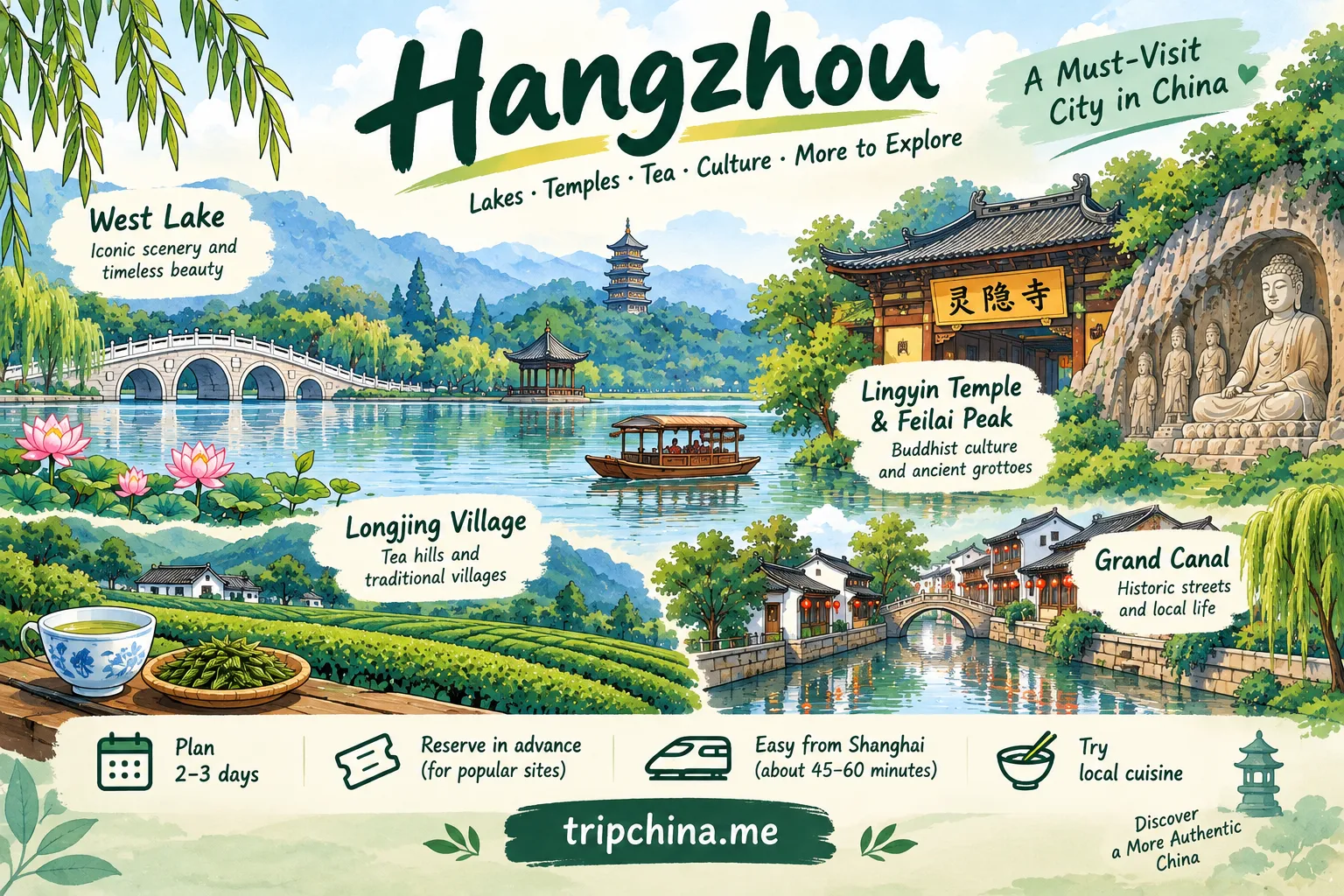
Yes—especially if you want something different from Beijing's monumental imperial sights, Shanghai's urban energy or Xi'an's archaeological landmarks.
Hangzhou works particularly well for travelers interested in landscape, Buddhist culture, tea, walking and slower urban travel.
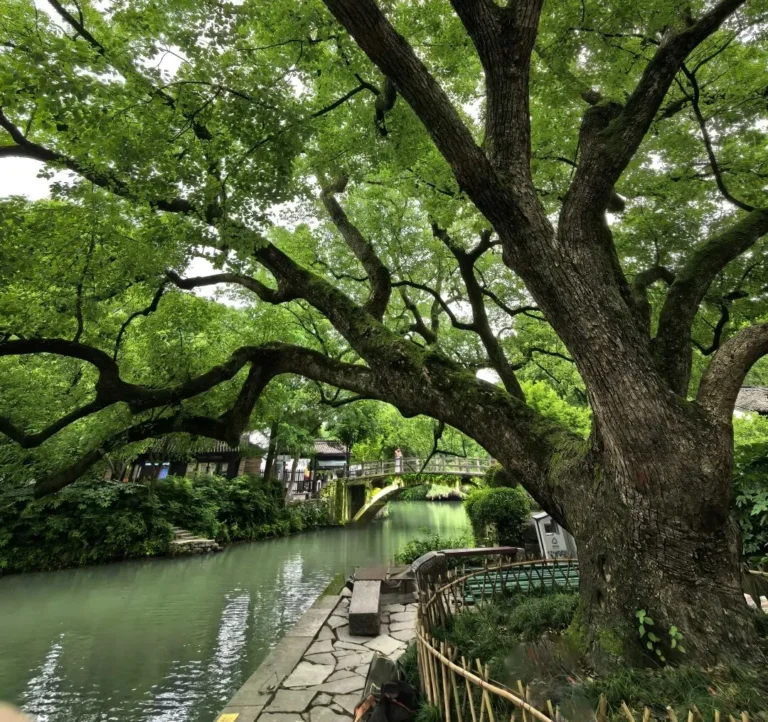
West Lake is not simply a lake surrounded by attractions. UNESCO describes it as a cultural landscape shaped by causeways, islands, gardens, temples and carefully composed views that influenced garden and landscape design elsewhere in China, Japan and Korea.
Hangzhou is also closely connected with two other UNESCO World Heritage properties: the Grand Canal and the Archaeological Ruins of Liangzhu City. That combination gives the city several very different historical layers rather than one single landmark identity.
| Traveler Type | Fit | Why |
|---|---|---|
| First-time China traveler | Very good | Scenic contrast with Beijing or Shanghai |
| Nature + culture traveler | Excellent | Lake, hills, temples, tea landscapes |
| Photographer | Excellent | Water, gardens, temples and seasonal scenery |
| Food-focused traveler | Good | Distinct Zhejiang cuisine and local snacks |
| Archaeology/history traveler | Very good | Liangzhu adds prehistoric depth |
| Slow traveler | Excellent | Hangzhou rewards lingering rather than rushing |
| Nightlife-first traveler | Not the strongest fit | Shanghai or Chengdu offer broader late-night scenes |
| Shanghai day-tripper | Possible | West Lake works in one day, but overnight is better |
If your China itinerary is extremely compressed and you must choose between Hangzhou and a more dramatically different destination such as Xi'an or Zhangjiajie, Hangzhou may not automatically win. Its strength is how landscape, heritage and everyday city life fit together, not one blockbuster monument.
| Time | Best For | What You Can Realistically Cover | Main Trade-Off |
|---|---|---|---|
| 1 day | Shanghai day trip | West Lake + one nearby area | Little time for cultural depth |
| 2 days | Short first visit | West Lake + Lingyin | Limited flexibility |
| 3 days | Most first-time visitors | Core sights + one deeper experience | Best overall balance |
| 4 days | Culture/nature travelers | Add Xixi, Longjing or Liangzhu | Slower pace |
| 5+ days | Slow travel | Multiple heritage areas + neighborhoods | More than most first trips need |
If you are unsure, choose 3 days.
There is no universal best month. The practical trade-off is between weather, seasonal scenery and crowds.
| Season | What It Feels Like | Best For | Main Drawback |
|---|---|---|---|
| Spring — Mar–May | Green, flowering, tea season | Scenery + Longjing | High demand |
| Summer — Jun–Aug | Hot, humid, rainy | Evening travel + shaded sights | Heat and rain |
| Autumn — Sep–Nov | Comfortable, osmanthus season | Best all-round walking weather | Busy weekends |
| Winter — Dec–Feb | Damp, chilly, atmospheric | Fewer crowds | Cold rather than postcard weather |
Spring brings Longjing tea season and fresh greenery. Autumn is usually the easiest season for long sightseeing days. Summer remains workable if you shift outdoor activity to early mornings and evenings, while winter suits travelers who value quieter scenery over warmth.
Major Chinese public holidays can change the experience more dramatically than ordinary seasonal differences.
Watch especially for:
West Lake, Lingyin, transport and accommodation demand can all rise simultaneously.
A useful local planning rule is:
If you can change the date, do that before trying to optimize the hour.
Not every famous sight deserves equal time.
| Priority | Place | Why Go |
|---|---|---|
| Essential | West Lake | Hangzhou's defining cultural landscape |
| Essential | Lingyin + Feilai Peak | Buddhist art, grottoes, temple culture |
| Choose One | Longjing | Tea landscapes and western hills |
| Choose One | Xixi Wetland | Waterways and wetland scenery |
| Choose One | Grand Canal area | Urban heritage and old neighborhoods |
| Extra Time | Liangzhu | Prehistoric archaeology and jade culture |
| Optional | Hefang Street | Snacks, shopping and old-city atmosphere |
| Optional | Leifeng Pagoda | Elevated West Lake views |
The simplest first-trip formula is:
West Lake + Lingyin + one experience chosen for your own interests.
For a broader attraction comparison, see TripChina's Hangzhou attractions guide.
Do not treat West Lake like a gated attraction where you enter, complete a loop and leave.
The landscape is large and layered. Causeways, islands, bridges, temples, pagodas, gardens and the surrounding hills are meant to be experienced from changing viewpoints.
You can. You do not need to.
For a first visit, choose one or two strong sections and combine:
Useful areas include:
Broken Bridge + Bai Causeway for easy access and classic views.
Su Causeway for a longer, greener waterfront experience.
Gushan for the strongest mix of scenery and cultural sites.
Southern West Lake / Leifeng if you want an elevated view toward late afternoon.
Common Mistake: Trying to complete the entire lake loop can turn an otherwise relaxed day into a long exercise in covering distance.
Yes. The main lake landscape itself does not require one admission ticket.
Individual cruises, islands, pagodas, museums and other attractions can have separate fees or reservation rules.
For those details, use TripChina's West Lake first-time guide and Hangzhou ticket rules guide.
This is the Hangzhou rule most likely to catch an otherwise well-prepared foreign traveler.
Since December 1, 2025, the Lingyin Feilai Peak Scenic Area has been free to enter, but admission remains managed by reservation.
More importantly, the reservation system changed again in 2026.
No.
As of February 1, 2026, the old on-site registration option has been removed. Visitors without a confirmed reservation can no longer solve a sold-out date by joining an on-site registration queue.
Use WeChat or Alipay and search for the official mini-program:
杭州灵隐飞来峰
Hangzhou Lingyin Feilai Peak
When registering, select “Passport / 护照” as the document type and enter the passport number exactly as it appears on your passport. The official system supports foreign-passport visitor registration.
Use the official online standby / 候补 system.
If ordinary slots for your intended date are full, submit a standby request through the mini-program. The published 2026 rules set the standby deadline at 20:00 on the day before the visit.
Released spaces are reassigned through the online system rather than through an on-site waiting list.
Do not make speculative bookings.
Under the tightened 2026 rules, a first no-show can suspend reservation privileges for 30 days for the relevant account and booked visitor. Hangzhou government reporting said more than 22,000 reservations went unused on January 3, 2026, exceeding one-third of that day's approved visitor capacity.
If your plans change, cancel within the permitted cancellation window so the unused capacity can return to the system.
No.
Feilai Peak Scenic Area is the broader scenic and cultural zone.
Lingyin Temple is a Buddhist temple located inside that visitor area and has its own operating arrangements.
A Feilai Peak reservation should therefore not be interpreted as a universal ticket covering every experience inside the area.
Check the current official booking interface shortly before your visit. Tickets are released daily at 8:00 AM Beijing time, 7 days in advance. Set a reminder if you're visiting during a peak period.
For a step-by-step foreign-visitor walkthrough, use TripChina's Lingyin Temple and Feilai Peak booking guide.
Allow roughly half a day on a first visit.
The grotto carvings, forested paths, temple architecture and neighboring religious sites make much more sense when you are not trying to leave after an hour.
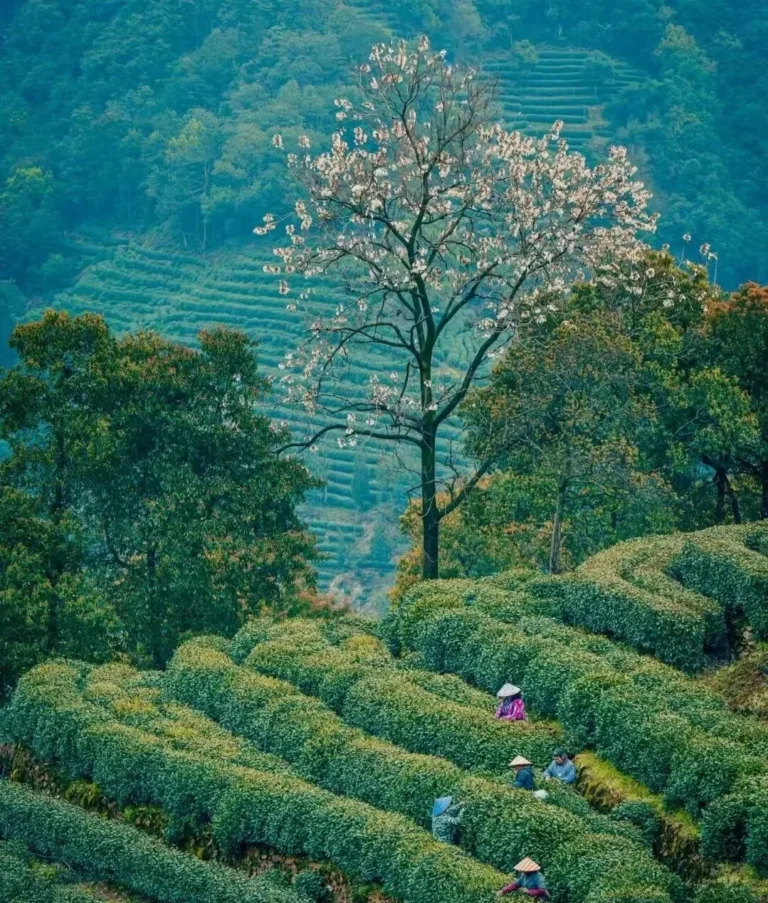
Yes if tea culture, landscape or the western hills are part of what attracted you to Hangzhou.
But Longjing is famous—not an untouched rural secret.
The value is seeing tea as part of a landscape:
Spring is especially relevant because of harvesting, although the area remains scenic outside tea season.
Treat the purchase separately from the sightseeing experience.
Longjing pricing depends on origin, harvest period, grade, processing and weight. An extreme price—high or low—does not prove authenticity.
For a meaningful purchase, use a reputable seller and ask clearly about:
origin → harvest → grade → weight → total price
For routes and tea-buying pitfalls, see TripChina's Longjing Village guide.
These are good attractions for different travelers rather than three things every visitor needs to fit in.
| If You Want... | Choose | Why |
|---|---|---|
| Water + nature | Xixi Wetland | Waterways, vegetation and slower boat travel |
| Prehistoric China | Liangzhu | Archaeology, ancient water systems, jade culture |
| Urban heritage | Grand Canal area | Historic neighborhoods and canal life |
| Tea + landscape | Longjing | Closest fit with classic Hangzhou imagery |
Yes, particularly on a 3- or 4-day trip.
West Lake is a highly composed cultural landscape. Xixi feels more like a network of wetlands, waterways and vegetation.
If you only have two days, prioritize West Lake and Lingyin first.
See TripChina's Xixi Wetland guide for routes and boat choices.
For archaeology travelers, yes.
The Liangzhu archaeological landscape represents an early regional state dating roughly to 3300–2300 BCE, with sophisticated water management, urban organization, differentiated burials and jade craftsmanship.
It adds a radically older historical layer to a Hangzhou trip.
But Liangzhu sits away from the central West Lake sightseeing zone. Plan it as a distinct excursion rather than squeezing it between western Hangzhou attractions.
Use your first day to understand Hangzhou's geography.
A practical flow is:
Broken Bridge → Bai Causeway → Gushan → lakeside walking → optional boat → southern lake → sunset
Leave enough flexibility for weather, crowds and stops along the lake.
Yes, and geographically this is one of the most sensible combinations.
A strong day is:
Lingyin / Feilai Peak in the morning → Longjing later in the day
Both sit in Hangzhou's western scenic area.
If tea culture does not interest you, keep the afternoon flexible rather than forcing Longjing into the itinerary.
Use the attraction comparison above and pick one:
Xixi Wetland / Liangzhu / Grand Canal / old Hangzhou / another West Lake morning
Choose according to your interests rather than adding several distant areas to the same day.
Hangzhou's evening appeal is stronger than a daytime-only itinerary suggests.
West Lake remains the easiest first choice: lakefront walking after sunset is cooler in summer and gives the landscape a different atmosphere without requiring another major attraction.
The Grand Canal area, Xiaohe Zhijie and older neighborhoods also work well for slower evening walks.
Seasonal 2026 event: If you are visiting between July 3 and October 10, 2026, Hangzhou is running its citywide Hangzhou Wonderful Night / 杭州奇妙夜 program.
The campaign includes 10 night-tourism themes, 100 recommended night spots and 10 classic night routes, covering night running, dining, scenic viewing, performances, shopping, sport, reading, recreation, camping and night classes.
Examples promoted through the program include:
Because individual events have separate schedules, treat the campaign as a seasonal discovery program, not one attraction with one ticket.
If you visit after October 10, West Lake evening walks, the Grand Canal area and Hefang Street remain the most reliable evening options because they do not depend on this seasonal campaign.
Note: This is an annual seasonal campaign; dates and offerings change each calendar year.
For international travelers already in eastern China, high-speed rail is usually the simplest choice.
Usually, yes.
Frequent high-speed trains connect Shanghai and Hangzhou, with the fastest services commonly taking roughly 45–60 minutes, depending on the departure and arrival stations.
Services run throughout the day, often with multiple departures per hour on the main Shanghai–Hangzhou corridor. Exact frequency varies by station pair, date and timetable, and additional trains may be added during busy periods, so check 12306 for your travel date rather than relying on one fixed “every 15 minutes” rule. China Railway continues to announce additional Shanghai–Hangzhou services during high-demand periods.
For most visitors, Hangzhou East Railway Station / 杭州东站 is the principal station they will encounter.
But do not select a train simply because the destination contains “Hangzhou.” The city also has Hangzhou Station, Hangzhou West and Hangzhou South.
Check the exact station against your hotel before booking.
For passport booking, station entry and boarding procedures, see TripChina's China train boarding guide for foreign travelers and 12306 vs Trip.com ticket guide.
Hangzhou Xiaoshan International Airport (HGH) connects with the city's metro network, including Metro Line 19.
Taxi and ride-hailing are useful for groups, late arrivals or travelers with luggage.
If you plan to use ride-hailing independently, TripChina's DiDi guide for foreigners explains setup and payment before you arrive.
Possibly, but 240-hour visa-free transit is not ordinary visa-free entry.
As of August 2026, China's 240-hour visa-free transit policy covers eligible nationals of 57 countries. Travelers must satisfy the policy conditions, including confirmed onward travel to a third country or region.
A simple example:
Country A → China → Country B may qualify.
Country A → China → Country A is not the same transit pattern.
Zhejiang expanded its participation in the system in 2026.
All six major Zhejiang ports are now included in the 240-hour visa-free transit framework, including entry points in Wenzhou, Yiwu and Zhoushan, in addition to the established Hangzhou-related entry options.
Eligible travelers admitted under the policy may stay within the permitted Zhejiang Province area rather than being restricted to Hangzhou city.
Because eligibility, permitted ports and onward-routing requirements are immigration rules, check the latest National Immigration Administration information before purchasing flights.
For broader entry planning, TripChina's China visa guide and China airport arrival guide cover the steps that apply beyond Hangzhou.
Do not choose a hotel only by its straight-line distance from West Lake.
Think about metro access, evening plans and how many times you will travel to the western scenic area.
| Area | Best For | Main Advantage | Trade-Off |
|---|---|---|---|
| Lakeside / Longxiangqiao | First visit | Excellent West Lake access | High demand |
| Wulin | City convenience | Metro, food and shopping | Less immediate lake atmosphere |
| Hangzhou East Station | Short/transit stay | Train convenience | Weak sightseeing base |
| Longjing / Lingyin | Slow scenic trip | Quiet western hills | Less convenient citywide |
| Hefang / old city | History + evenings | Walkable atmosphere | Can feel tourist-heavy |
For a normal 2–3 day trip, staying near West Lake but within easy reach of a useful metro station is usually the best compromise.
For a full area-by-area breakdown, see TripChina's where to stay in Hangzhou guide.
Foreign visitors should also read TripChina's China hotel booking guide before reserving accommodation.
Hangzhou is quite manageable independently.
Yes, particularly for:
But the metro does not deliver you to every scenic entrance.
Lingyin and parts of Longjing are typical examples where a bus, taxi or DiDi completes the journey.
Sometimes.
Cycling can be convenient on certain stretches, but crowded pedestrian areas and scenic restrictions make “cycle the entire lake” a poor universal recommendation.
Setting up mobile payment before sightseeing makes Hangzhou much easier.
TripChina's foreigners' China payment guide covers Alipay, WeChat Pay, cards and cash, while the Hangzhou transport guide explains local metro, airport and DiDi options.
Accommodation is the biggest variable, so one universal “Hangzhou daily cost” is misleading.
For planning purposes:
| Travel Style | Approx. Per Person / Day | Typical Assumption |
|---|---|---|
| Budget | ¥300–500 | Budget lodging, local food, public transit |
| Mid-range | ¥600–1,200 | Comfortable hotel, restaurants, some taxis |
| Higher comfort | ¥1,200+ | Premium hotel, more taxis, higher-end dining |
These are TripChina planning estimates, not official averages.
Two travelers sharing a hotel room can spend substantially less per person than a solo traveler using the same property category.
Hangzhou can be relatively inexpensive if your trip centers on West Lake, walking and public transport; premium lakefront hotels, tea purchases and high-end dining can push costs up quickly.
Hangzhou cuisine often emphasizes relatively delicate flavors compared with China's hotter regional cuisines, though that does not mean every dish is mild or sweet.
Slow-braised pork belly associated with Su Dongpo, whose name is deeply connected with West Lake.
Shrimp cooked with Longjing tea leaves—an unusually direct link between Hangzhou's food and tea identity.
A local noodle dish commonly made with pork, bamboo shoots and preserved vegetables.
A simple Hangzhou snack built around scallion and crisp textures.
Yes if you are curious, but do not assume you must love it.
Its sweet-sour profile divides visitors, so think of it as a famous local dish worth understanding rather than a guaranteed crowd-pleaser.
For restaurant choices and ordering pitfalls, see TripChina's Hangzhou food guide.
| Interest | Prioritize |
|---|---|
| Scenery | West Lake |
| Buddhist culture | Lingyin + Feilai Peak |
| Tea | Longjing |
| Nature | Xixi Wetland |
| Archaeology | Liangzhu |
| Urban heritage | Grand Canal / old Hangzhou |
| Photography | West Lake + western hills |
| Slow travel | West Lake + Longjing |
This article is part of the Hangzhou Travel Guide Hub.
Many major visitor systems support passports, but implementation varies by attraction. Enter your name exactly as printed in your passport and select Passport / 护照 when that document option is available rather than improvising a Chinese ID number.
Many museums in China use Monday as a regular closing day, but there is no universal Hangzhou-wide rule that applies to every institution. Check the official page for the exact museum and date, especially around public holidays.
Yes. Metro stations and major transport hubs provide English information, and translation apps cover most everyday situations. Keep important destination names in Chinese for taxis, local buses and smaller businesses.
Most international travelers should use bottled or properly boiled water for drinking rather than relying on untreated tap water. Hotels commonly provide kettles or bottled water, but check your accommodation if you have specific needs.
Do not rely on it as your only navigation tool in mainland China. Local map apps generally provide more useful entrance, transit and business information; TripChina's China navigation app guide explains the main alternatives.
For most independent travelers, three days is the best balance: West Lake, Lingyin–Feilai Peak and one additional experience that fits your interests.
Avoid major holiday crowds where possible, and secure your Feilai Peak reservation before you go—walk-in registration is no longer supported.
Hangzhou Municipal Government — Lingyin Feilai Peak Reservation and Standby Rules
Hangzhou Municipal Government — Lingyin Feilai Peak No-Show Rules
National Immigration Administration — 240-Hour Visa-Free Transit Policy
Hangzhou Daily — 2026 Hangzhou Wonderful Night
This guide was fully reviewed in September 2026 using Hangzhou municipal visitor notices, National Immigration Administration policy, Zhejiang provincial information and UNESCO records. Lingyin–Feilai Peak's 2026 reservation, standby and no-show rules and China's current 240-hour visa-free transit framework were checked against government information. Budget, itinerary and attraction-priority recommendations are TripChina editorial judgments rather than official rankings. Time-sensitive reservation, transport and immigration rules should always be reconfirmed before travel.
TripChina.me creates practical China travel guides shaped by real local experience, helping independent travelers navigate transport, payments, food, neighborhoods, and the cultural details that make traveling in China easier and more meaningful. Find the guide for your destination at tripchina.me.