Our Location:
No. 99, Jiazi Road, Chengdu

 authorChris Lee
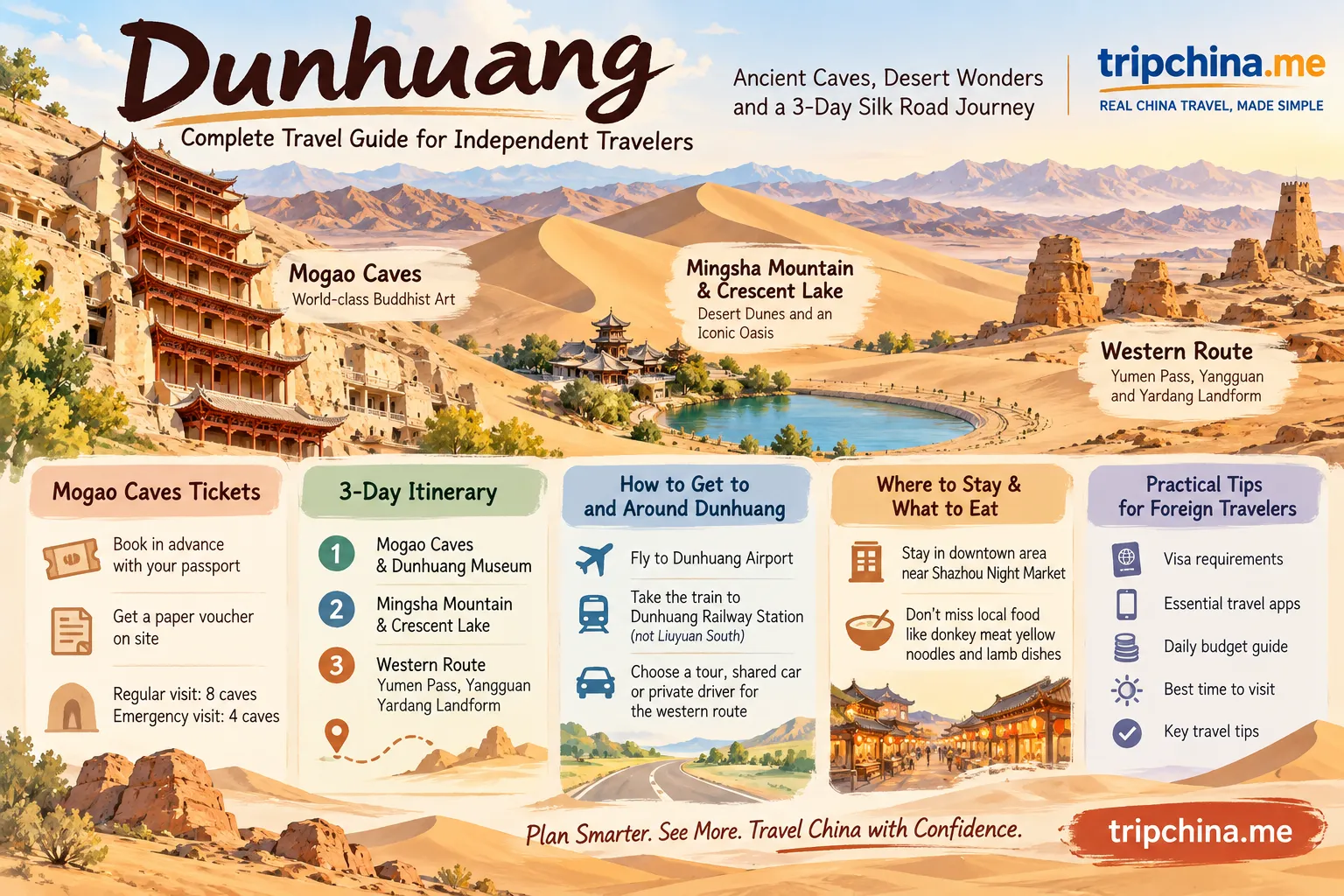
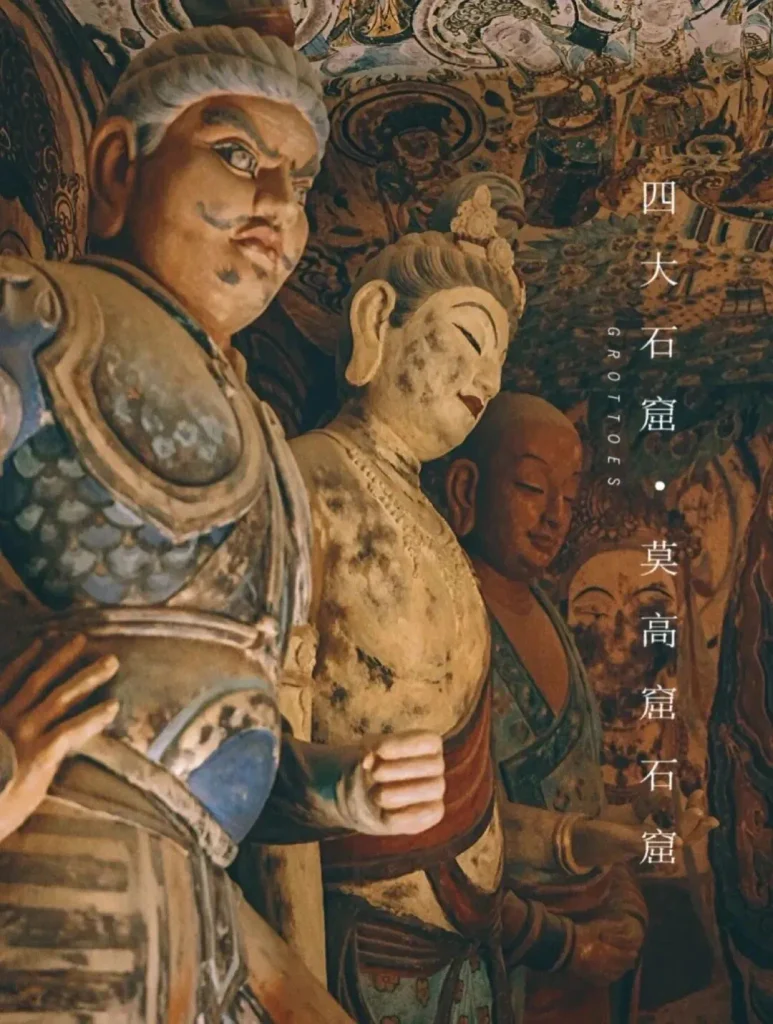
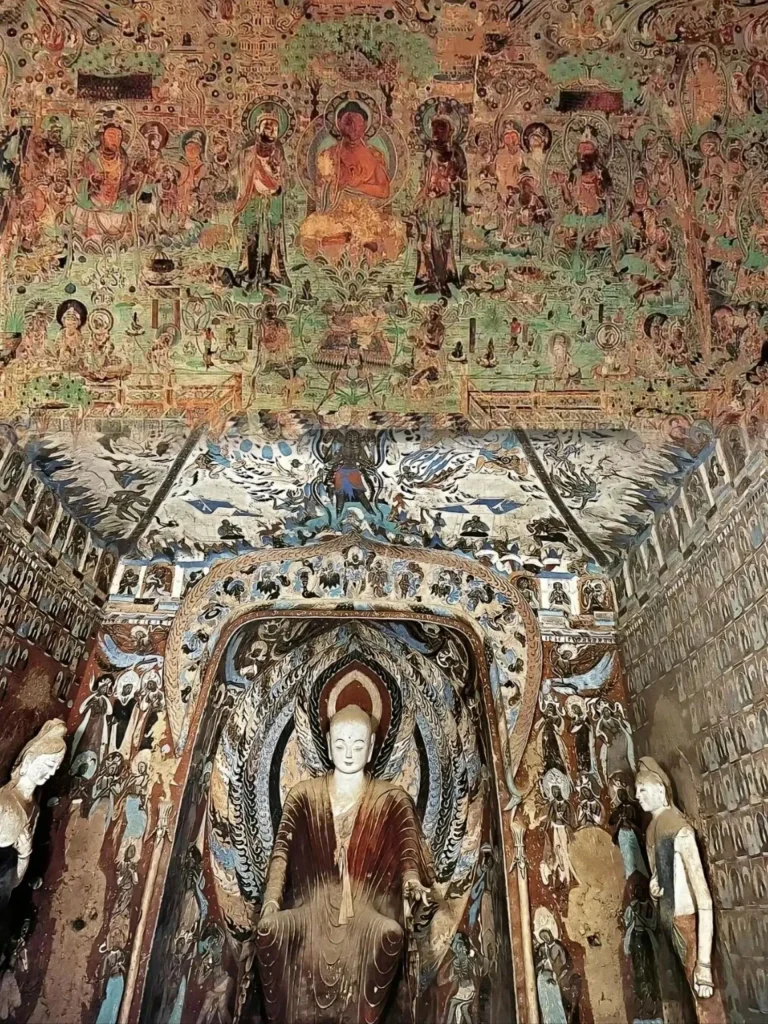
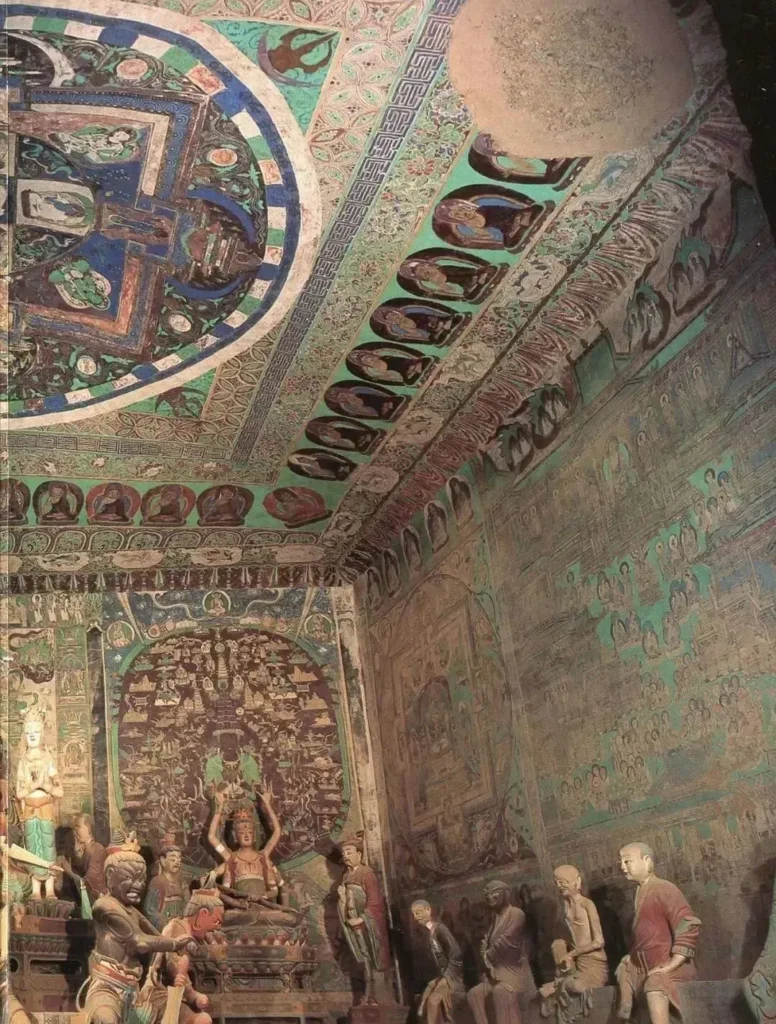
Dunhuang looks easy on a map: Mogao Caves, sand dunes, a night market and a few Silk Road ruins. But the trip can go wrong surprisingly quickly. Mogao is reservation-driven, Mingsha Mountain is all about timing, and the western route is too remote to improvise.
The good news? Dunhuang is one of China's most rewarding independent-travel destinations once you understand those three things.
This guide shows you how to plan it properly in any season.
| Question | Practical Answer |
|---|---|
| How long do you need? | 3 days is ideal for a first trip; 4 days gives you a slower pace |
| What should you book first? | Mogao Caves—check ticket availability before locking in the rest of your itinerary |
| Mogao regular ticket | ¥238 in peak season; digital program + 8 physical caves |
| Best time for Mingsha Mountain | Late afternoon into sunset; sunrise works well for a quieter return visit |
| Do you need a car? | Not for central Dunhuang, Mogao or Mingsha; the western route is easier with organized transport |
| Best area to stay | Shazhou Night Market for convenience; Danghe River for quieter nights |
| What should you skip? | A rushed midday Mingsha visit, especially in hotter months |
| Biggest first-timer mistake | Going directly to the Mogao cave zone instead of the Digital Exhibition Center |
| Best overall strategy | Mogao first, desert second, western route as a separate full day |
If this is your first independent trip in China, set up your phone before arriving. TripChina's guide to the essential China travel apps for foreign visitors covers the apps most useful for payments, maps, ride-hailing and translation.
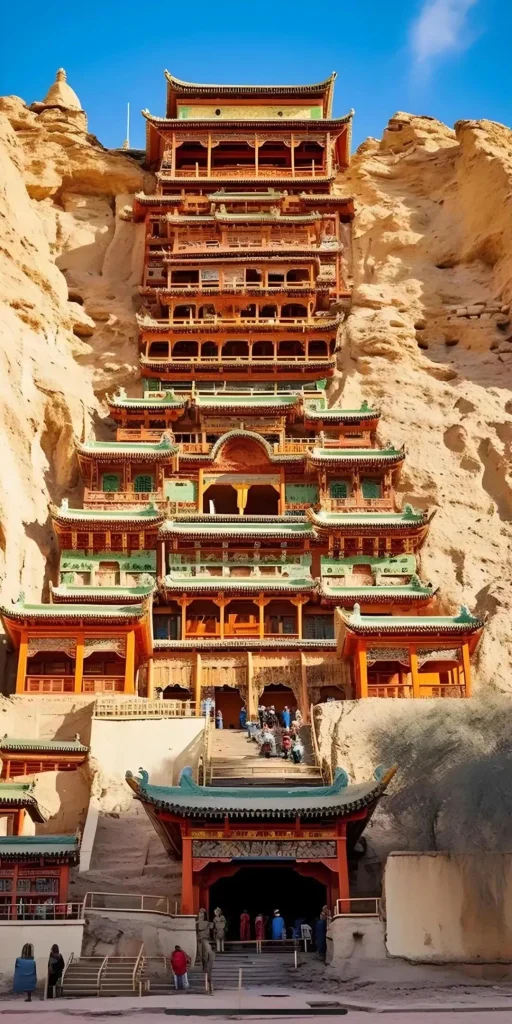
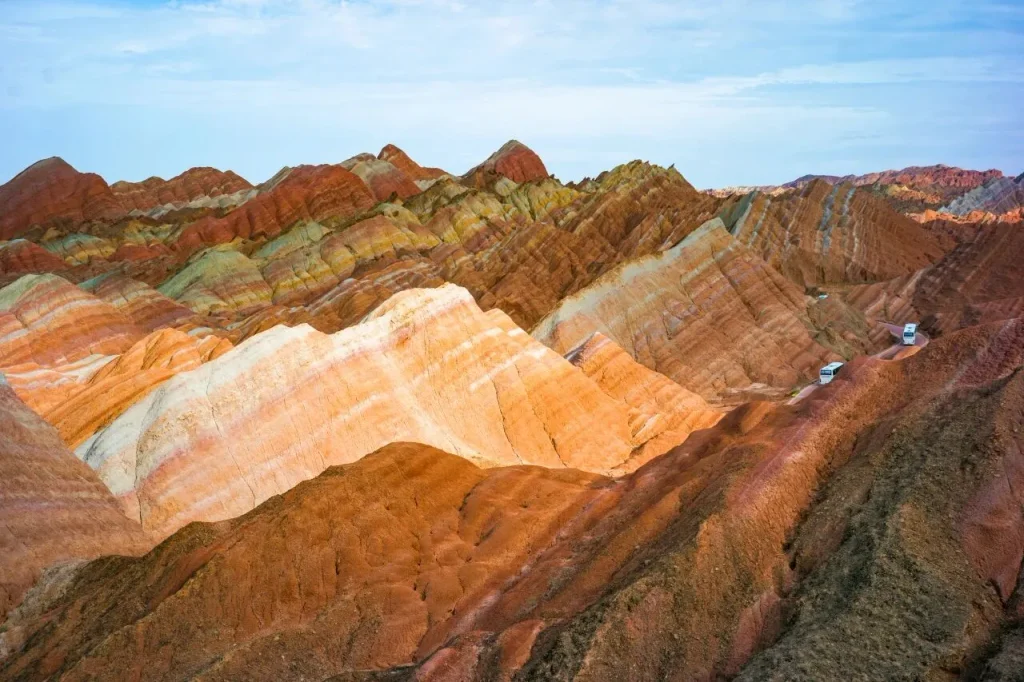
There is no single “correct” season.
Dunhuang changes dramatically through the year, and the best time depends on what matters most to you: comfortable weather, quieter caves, long evenings, desert photography or lower crowds.
| Season | What It's Like | Best For | Main Trade-Off |
|---|---|---|---|
| Spring | Dry, bright and increasingly comfortable | Sightseeing, photography, lower crowds | Wind and occasional sand or dust |
| Summer | Hot, busy and energetic | Long daylight, night activities, families | Heat and peak-season crowds |
| Autumn | Cooler days and crisp desert light | Outdoor sightseeing, dunes, photography | Popular travel period |
| Winter | Cold, quiet and dramatically less crowded | Mogao-focused trips, slow travel | Shorter days and cold desert mornings |
Yes—especially if you prefer moderate crowds and do not mind wind.
Spring brings longer days and gradually warmer temperatures. It can be a good compromise between winter quiet and summer intensity.
The main variable is wind. Desert conditions can change quickly, so keep your itinerary flexible if a strong sand or dust event is forecast.
Not if you plan around the middle of the day.
Summer is one of Dunhuang's busiest periods. Mogao tickets become more competitive, Mingsha Mountain is much more comfortable early or late in the day, and popular restaurants and hotels fill faster.
The advantage is long daylight and a lively evening atmosphere.
Use mornings for indoor or reservation-based sightseeing, rest during the hottest hours when necessary, and save the dunes for late afternoon.
Because it offers one of the easiest combinations of desert light and comfortable outdoor sightseeing.
September and much of October work particularly well for travelers who want Mogao, the dunes and the western route in the same trip.
But popularity has a cost: China's National Day holiday period can bring much heavier demand. If your dates are flexible, check the China public holiday calendar and crowd guide before booking Mogao tickets, hotels and long-distance transport.
Yes—especially if Mogao Caves are your main reason for coming.
Winter Dunhuang is much quieter. The desert can be bitterly cold in the morning and after sunset, but the city feels completely different without peak-season crowds.
Mogao also operates on a different seasonal schedule, so always check the current official arrangements before planning a winter visit.
The larger point is simple:
Do not choose Dunhuang only by temperature. Choose it by the experience you want.
Dunhuang Travel Daily Budget Guide — per person, excluding long-distance transport
Dunhuang itself does not have to be expensive. The biggest variables are hotel level, western-route transport and optional experiences.
| Budget Level | Approx. Per Day | What It Typically Covers |
|---|---|---|
| Budget | ¥400–600 | Hostel/guesthouse, local meals, shared transport and basic sightseeing |
| Mid-range | ¥800–1,200 | Comfortable hotel, mixed dining, taxis and major attractions |
| Comfort | ¥1,500+ | Higher-end hotel, more private transport and optional experiences |
These are planning ranges, not package prices. Accommodation and transport can rise sharply during Chinese public holidays and school vacation periods.
The western route usually costs more than an ordinary sightseeing day. Shared transport is commonly around ¥120 per person for transport only, while a private vehicle may cost roughly ¥400–800 depending on the route, vehicle and season.
Attraction tickets are additional, so leave extra room in your Day 3 budget.
This is the first part of your Dunhuang trip to organize.
Mogao Caves uses real-name, timed reservations and daily visitor limits.
During the April 1–November 30 peak season, the regular visit has a daily limit of 6,000 tickets and includes a digital-film program plus eight physical caves. The peak-season full price is ¥238.
During busy periods, an emergency visit may be activated. It allows up to 12,000 visitors per day and includes four physical caves.
Foreign passport holders can book through the official “Mogao Caves Visit Booking” WeChat service account by choosing Ticket Booking.
Do not pay someone promising a guaranteed ticket. The Dunhuang Academy states that it has not authorized third-party organizations or individuals to act as ticket agents.
Mogao Caves Regular Visit vs Emergency Visit
| Feature | Regular Visit | Emergency Visit |
|---|---|---|
| Peak-season full price | ¥238 | ¥100 |
| Physical caves | 8 | 4 |
| Digital program | Yes | No |
| Daily capacity | 6,000 | Up to 12,000 when activated |
| Best for | First-time visitors | Backup during heavy demand |
| Overall experience | More complete | Shorter and more limited |
Prioritize the regular visit if you can.
The difference is not simply “eight caves versus four.” The digital program provides historical and artistic context before you enter the cave complex, which makes the physical visit easier to understand.
Start checking availability as soon as your travel date enters the official advance-booking window.
Mogao tickets can normally be booked up to 30 days ahead.
The practical sequence is:
Keep the paper slip during your visit.
Emergency-ticket holders should note one important difference. The official 2026 notice states that full-price emergency visitors use a Chinese second-generation ID card at the Hall 2 entrance. Foreign passport holders cannot follow that ID-card procedure in the same way.
Follow your booking confirmation or ask staff at the Digital Exhibition Center for the correct inspection procedure rather than assuming your passport can simply be scanned at the emergency gate.
⚠️ Critical Warning: Do not drive directly to the Mogao cave zone. Start at the Mogao Digital Exhibition Center.
The Digital Exhibition Center is at 8899 Yangguan East Road.
The Dunhuang Academy asks visitors to arrive around 30 minutes before their reserved time. The protected cave area itself has neither a visitor ticket office nor tourist parking.
Driving directly to the caves therefore creates an unnecessary problem.
Keep checking the official booking system for returned inventory.
During periods of heavy demand, the emergency visit may be activated. Treat it as a backup rather than something you can assume will be available in advance.
If you use the emergency visit, understand the trade-off: four caves instead of eight and no regular digital-film program.
Do not pay a reseller promising access that the official system cannot provide.
Special caves may sometimes be available in limited numbers after a regular or emergency visit, depending on conservation conditions and the day's opening arrangements. Treat these as a possible extra rather than something around which to build your itinerary.
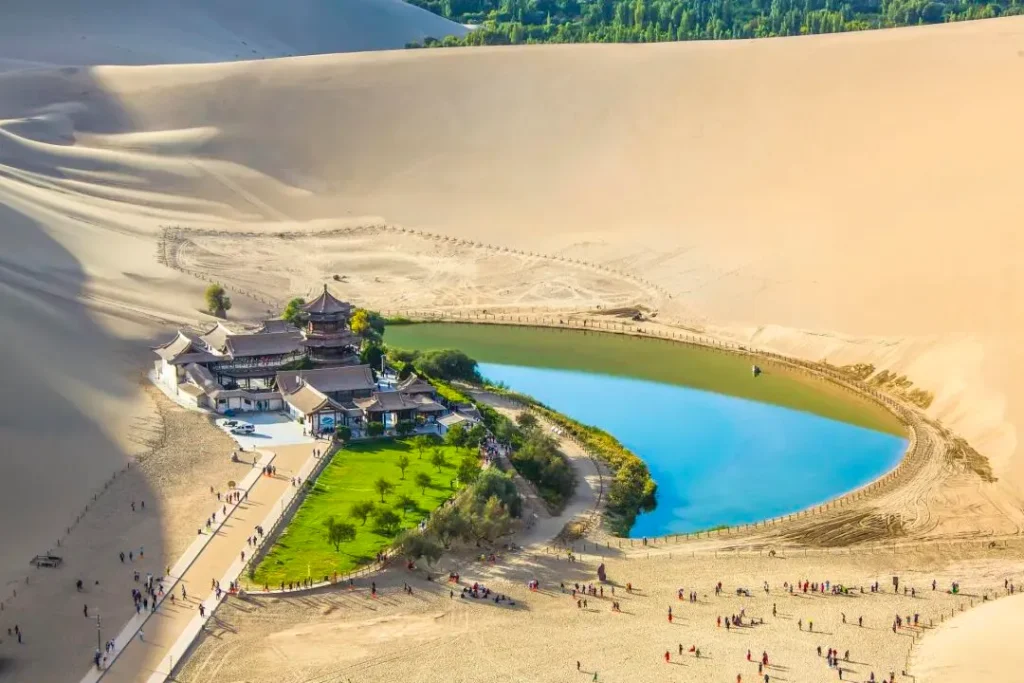
Mingsha Mountain and Crescent Lake are close to downtown Dunhuang, but timing matters much more than transport.
The full-price ticket is ¥110. Under the scenic area's repeat-entry arrangement, the ticket can be used for three days when the required registration is completed.
On your first visit, complete the facial-recognition registration required for repeat entry. Later re-entry uses facial recognition rather than a new booking.
The scenic area may adjust repeat-entry arrangements during major events or special operating periods, so check its official WeChat account before relying on a second or third visit.
For most first-time visitors, sunset.
Late afternoon gives you enough time to see Crescent Lake, walk around the lower dunes and gradually climb higher as the light improves.
Do not immediately rush up the largest dune you see. Walking on loose sand is much more tiring than it looks.
| Visit | Best For | Strategy |
|---|---|---|
| Early morning | Quiet dunes | Good for a return visit |
| Late afternoon | First visit | Crescent Lake + slow dune climb |
| Sunset | Photography | Reach your chosen viewpoint before the final light |
| Evening | Atmosphere | Stay for illuminated scenery or scheduled activities |
If your ticket remains valid for repeat entry, use that flexibility.
There is little reason to force sunrise, sunset and evening scenery into one exhausting visit.
No.
The camel procession looks iconic in photographs, but the experience is slow and structured.
If your priority is the desert landscape or photography, walking gives you more freedom to stop, change direction and stay on a dune as long as you want.
Check the current posted price before joining the queue rather than relying on an old social-media screenshot.
One practical detail matters more than it sounds: protect your electronics from sand.
Fine desert sand gets into charging ports, lens rings and bags easily. A simple sealed pouch can be more useful than another piece of photography gear.
Yes—if the Silk Road frontier landscape is part of why you came to Dunhuang.
The western route is not a casual half-day excursion.
Distances are large, scenery between stops is mostly Gobi, and returning from remote sites is not something you want to improvise after sunset.
A typical route combines Yangguan, Yumen Pass, surviving sections of the Han Great Wall and Dunhuang Yardang National Geopark.
Depending on the exact stops, the day can involve roughly 300–400 km of driving.
If Dunhuang is part of a larger northwest China trip, this landscape makes much more sense in the context of a Hexi Corridor Silk Road journey.
Western Route Transport Options for Independent Foreign Travelers
| Option | Best For | Main Advantage | Main Trade-Off |
|---|---|---|---|
| Organized day tour | Solo travelers | Lowest planning burden | Fixed schedule |
| Shared vehicle | 1–2 travelers | Lower cost | Less control over stops |
| Private driver | Couples/families | Flexible timing | Higher cost |
| Self-drive | Experienced China drivers | Maximum flexibility | Navigation, long distances and rental requirements |
For most overseas visitors, an organized tour or legitimate hired driver is the simplest solution.
For a private car, asking your hotel front desk to help arrange or recommend transport is often more practical than accepting an unsolicited offer around a tourist area.
Confirm four things before paying:
If Yardang sunset matters to you, say so before paying.
A cheap tour that leaves the geopark too early may save money while missing one of the main reasons for going.
Download an offline map before leaving town and carry water, snacks and a charged power bank.
⚠️ Critical Warning: Do not build your return plan around finding a ride-hailing car at a remote Gobi attraction after sunset. Arrange your return transport before leaving Dunhuang.
Three days is enough for the essential Dunhuang experience without turning the trip into a checklist.
The key is keeping Mogao and the western route on separate days.
Start with Dunhuang Museum if your arrival time allows.
It is one of the most useful places to visit before Mogao because it gives you the historical framework that many first-time visitors lack when they enter the caves.
Dunhuang Museum is free. Foreign visitors can show their passport at the ticket window to receive a ticket.
| Period | Opening Hours | Last Entry |
|---|---|---|
| May 1–September 30 | Tue–Sun, 08:30–18:30 | 17:30 |
| October 1–April 30 | Tue–Sun, 08:30–18:00 | 17:00 |
The museum is closed on Mondays under its regular schedule.
Then head to Mingsha Mountain in the late afternoon.
Finish with dinner around Shazhou Night Market.
Do not schedule an expensive evening performance immediately after your first dune visit. Sunset timing, walking on sand and simply lingering around Crescent Lake can make the evening longer than expected.
Give Mogao the day.
Even if the formal visit takes less than a full day, avoid placing another time-sensitive attraction immediately afterward.
After returning to town, keep the evening flexible: dinner, a performance, a second Mingsha visit or simply rest.
Use the full day for the western route.
Yangguan and Yumen Pass give the landscape its historical meaning; the Gobi and Yardang formations give it scale.
If your route includes Yardang around sunset, expect a late return.
Do not book a flight or train that evening.
Slow down rather than simply adding more major attractions.
A fourth day can work well for another desert visit, a performance, more museum time, nearby grotto sites or simply a later start after the western route.
Dunhuang benefits from breathing room.
Must-Try Local Dunhuang Food Guide
Dunhuang food makes more sense once you remember where you are: an oasis surrounded by desert and historically connected to northwest China and the Silk Road.
| Food | What to Expect | Good Time to Try It |
|---|---|---|
| Donkey meat with yellow noodles | Chewy noodles, savory sauce and sliced meat | Lunch |
| Lamb menbing | Lamb and broad dough pieces cooked together | Dinner for 2+ |
| Sha cong | Desert chive served with eggs, meat or cold dishes | Side dish |
| Grilled lamb | Cumin-forward northwest-style skewers | Evening |
| Apricot drink | Sweet-tart local fruit drink | With rich or grilled food |
Shazhou Night Market is convenient and atmospheric, but it is not the only place to eat.
Treat the market as an evening experience rather than automatically assuming the busiest stall serves the best version of every local dish.
Walk beyond the souvenir-heavy main section and compare ordinary noodle shops and restaurants.
At stalls selling grilled meat or food by weight, ask whether the displayed price is per skewer, per portion or by weight.
Vegetarians should expect fewer obvious options than in Shanghai or Chengdu, but tomato-and-egg dishes, noodles, vegetables, tofu and sha cong dishes can work. TripChina's China food guide can help with ordering and dietary communication.
Dunhuang Accommodation Zones Comparison
For a first trip, the area around Shazhou Night Market is the easiest base if food and walkability matter most.
If sleep matters more than stepping directly into the evening crowds, the Danghe River area is a better compromise.
| Area | Best For | Main Advantage | Main Drawback |
|---|---|---|---|
| Shazhou Night Market | First-time visitors | Food and central convenience | Can be noisy |
| Danghe River area | Couples/families | Quieter evenings | Short ride from the busiest center |
| Mingsha Mountain area | Desert lovers/photographers | Easy access to dunes | Less convenient for city dining |
If you stay near the night market, ask for a room away from the street.
Foreign travelers can legally stay in hotels in China, but front-desk familiarity with foreign passports varies. TripChina's guide to booking hotels in China with a foreign passport explains what to check before paying.
⚠️ Critical Warning: Liuyuan South Railway Station is not in downtown Dunhuang. Booking a train there means adding a substantial road transfer to your journey.
Flying into Dunhuang Mogao International Airport is the simplest option when the schedule and fare work for you.
Rail travelers need to pay more attention. If Dunhuang is one stop on a longer China trip, foreign visitors can compare the official 12306 system with third-party booking options in our China train ticket guide for foreign travelers. Dunhuang Railway Station and Liuyuan South Railway Station are not interchangeable.
Dunhuang Railway Station and Liuyuan South Railway Station are not interchangeable.
Liuyuan South is in Guazhou County, outside Dunhuang city, and requires an additional road transfer.
If a train search shows “Liuyuan South,” do not assume you have found a station on the edge of downtown.
Check the exact station before paying.
Dunhuang is not digitally difficult, but it is a bad place to discover that your phone setup is incomplete.
Before arriving, have four things working.
Decide between roaming, a travel eSIM and a mainland SIM before you reach the desert. TripChina's China eSIM vs SIM guide explains the practical differences.
Set up Alipay and/or WeChat Pay, but carry a physical card and some RMB cash as backups. See how foreign travelers actually pay in China before arrival.
You may need WeChat for attraction booking systems, official accounts and hotel communication.
Most importantly, foreign passport holders can use the official Mogao service account for ticket booking.
Screenshot your hotel name and address in Chinese, reservation details and important pickup locations.
Download useful maps before the western route.
This matters especially at Mogao: a perfect itinerary is useless if your reservation confirmation is buried inside an app you cannot access.
Think desert, not simply “northwest China.”
Your exact clothing depends heavily on season, but several items are useful almost year-round:
Spring travelers should prepare for wind and dust.
Summer travelers need stronger sun protection and more water.
Autumn travelers should expect cooler evenings.
Winter travelers need genuinely warm layers, especially before sunrise and after dark.
For the western route, carry more water than you expect to drink and keep a power bank in your day bag.
No—and this is an important distinction.
China's 240-hour visa-free transit policy currently operates through 65 designated ports in 24 provinces, autonomous regions and municipalities. Gansu is not among the permitted areas.
That means the 240-hour transit policy does not itself provide visa-free access to Dunhuang.
It is a transit arrangement, not a general tourist visa waiver.
Eligible travelers must be traveling onward to a third country or region and remain within the policy's permitted areas.
Entering China under the 240-hour transit arrangement somewhere else does not automatically give you permission to add Dunhuang to the itinerary.
Travelers who want to visit Dunhuang therefore need a valid Chinese visa or another visa-free entry arrangement that independently applies to their nationality and itinerary. If you are unsure which rule applies to your passport, start with TripChina's China visa guide for foreign travelers before booking non-refundable transport.
Before booking non-refundable flights, check the National Immigration Administration's current visa and visa-free policy information for your exact passport and route.
Travelers who already hold a visa valid for mainland China can visit Dunhuang without an additional Gansu-specific permit.
The biggest mistakes are surprisingly mundane.
Do not arrive without checking Mogao availability.
Do not drive directly to the cave area instead of the Digital Exhibition Center.
Do not visit Mingsha Mountain at the worst time of day simply because your afternoon is empty.
Do not assume Liuyuan South is downtown Dunhuang.
Do not treat the western route like a place where you can improvise your ride home after sunset.
And do not over-schedule Dunhuang.
The city rewards slow moments: the light changing on a dune, the silence inside a museum gallery, an apricot drink after a dusty afternoon, or the sudden emptiness of the Gobi beyond Yumen Pass.
Give those moments room.
Yes. Foreign passport holders can use the official Mogao Caves WeChat service account and choose Ticket Booking.
Enter your passport details carefully and bring the same original passport to the Digital Exhibition Center.
Do not rely on a single international map app for a remote driving day in China.
Have a China-compatible map available, save the Chinese names of your stops and download important information before departure.
If access to your normal international services matters, read TripChina's guide to Google and WhatsApp access in China before arrival.
You can find cafés, hotel breakfasts and some Western-style options, but Dunhuang is much stronger for northwest Chinese food than international dining.
Travelers with strict dietary requirements should save translated dietary instructions on their phones rather than assuming every restaurant will understand English.
Avoid bringing large luggage.
The official 2026 visitor rules prohibit suitcases and packages of 20 inches or larger from entering the cave area.
Leave your main suitcase at your hotel and visit with a compact day bag containing your passport, phone, water and basic sun protection.
Yes, but preparation makes a noticeable difference.
Save Chinese names for your hotel and attractions, keep WeChat and a translation app available, and have working mobile data.
Dunhuang's core tourist route is straightforward once those basics are set up.
Mogao can suspend visits when heavy rain, severe sandstorms or other conditions threaten visitors or the caves.
Official rules provide for refunds of unused reservations when weather forces closure. Check the Dunhuang Academy and official Mogao booking channels if severe weather is forecast.
Not for the city itself.
Mogao uses its own controlled visit system, Mingsha Mountain is easy to reach independently, and central Dunhuang is straightforward.
The western route is where organized transport becomes useful—not necessarily because you need a guide, but because the distances and return logistics make improvisation inconvenient.
Yes, but choose carefully.
For a first trip, prioritize Mogao Caves + Mingsha Mountain/Crescent Lake.
Skip the western route rather than trying to squeeze 300–400 km of Gobi driving into an already compressed trip.
For most first-time visitors, yes.
Use Day 1 for the museum and Mingsha Mountain, Day 2 for Mogao Caves, and Day 3 for the western route.
Add a fourth day if you want a slower trip, another desert visit, a performance or more time around nearby cultural sites.
The important part is not adding more attractions.
It is protecting the three experiences that define Dunhuang: enough time to understand Mogao, enough daylight to watch the desert change, and enough space on the western route to feel just how far the Silk Road once stretched.
Spring brings wind and space. Summer brings long evenings and energy. Autumn brings comfortable desert days. Winter brings silence.
Dunhuang is not a one-season destination. The landscape simply tells a different story each time you come.
Updated September 2026. Mogao ticketing, paper ticket-slip procedures and foreign-passport booking were checked against the Dunhuang Academy's official 2026 announcement. Dunhuang Museum passport rules and seasonal opening hours were checked against its official visitor information. China's 240-hour visa-free transit rules were rechecked against current NIA policy: the scheme covers 65 designated ports in 24 provincial-level areas, and Gansu is not included. Mingsha re-entry rules, western-route prices and seasonal schedules should be reconfirmed shortly before travel.
TripChina.me creates practical China travel guides shaped by real local experience—helping independent travelers navigate transport, payments, food, neighborhoods, and the cultural details that make traveling in China easier and more meaningful. Find the guide for your destination at tripchina.me.