Our Location:
No. 99, Jiazi Road, Chengdu

 authorChris Lee
This decision-focused Hangzhou city walk guide compares three carefully curated routes, covering scenery, culture and nature. It includes route overviews, duration, best seasons, transport tips, common planning mistakes, and rainy-day backup plans.
Hangzhou is made for walking—but the three best walks offer completely different experiences. This guide compares a quieter West Lake route, a food-and-history walk through the Southern Song old town, and a Longjing tea-country hike so you can choose by scenery, time, difficulty and weather instead of trying to squeeze everything into one day.
For most first-time visitors, choose the West Lake West Line for classic Hangzhou scenery with a calmer feel than the busiest lakeside sections.
Choose the Old Town Heritage Walk if local food, markets and Southern Song history matter more than lake views.
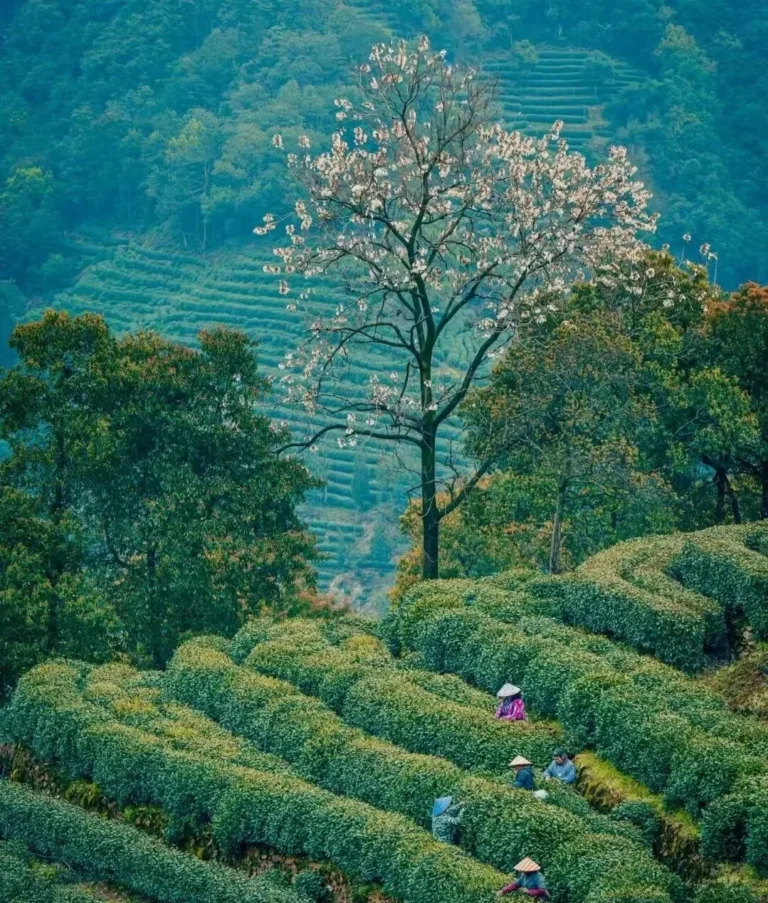
Choose the Longjing Tea Country Walk if you want tea terraces, forest paths and a more active half-day outdoors.
| Route | Best For | Duration | Difficulty | Strongest Season | Main Experience |
|---|---|---|---|---|---|
| West Lake West Line | First visit, scenery, photography | 3–4 hrs | Easy | Spring & autumn | Lake, gardens, quiet waterside paths |
| Old Town Heritage Walk | History, street life, food | 4–6 hrs | Easy–moderate | Spring, autumn & winter | Southern Song heritage, markets, old streets |
| Longjing Tea Country Walk | Nature, tea, hiking | 4–5 hrs | Moderate | Spring & autumn | Tea fields, hills, streams |
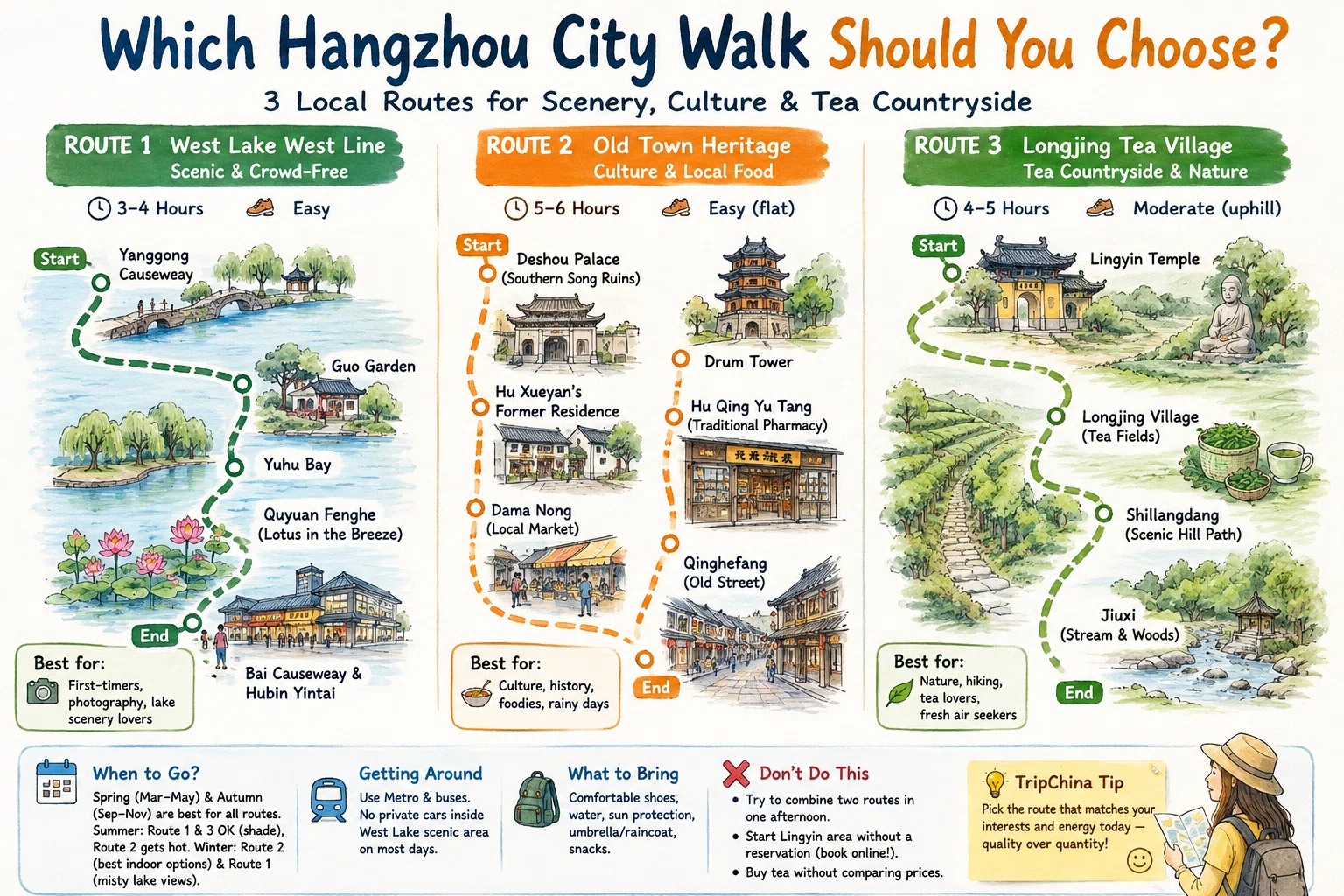
TripChina Pick: If you only have time for one walk, start with the West Lake West Line. It gives you the most recognizably Hangzhou experience without requiring a full circuit of the lake.
For most first-time visitors, yes.
A practical starting area is Yanggong Causeway (杨公堤) on the western side of West Lake.
From there, build the walk around:
Yanggong Causeway → Yuhu Bay → Wuguitan / Turtle Pond area → Quyuan Fenghe → northern West Lake
You do not need to treat every stop as mandatory.
If you have only three hours, concentrate on the Yanggong Causeway–Yuhu Bay side rather than trying to hit every landmark.
The famous Broken Bridge and Bai Causeway side is beautiful, but it also attracts large visitor flows.
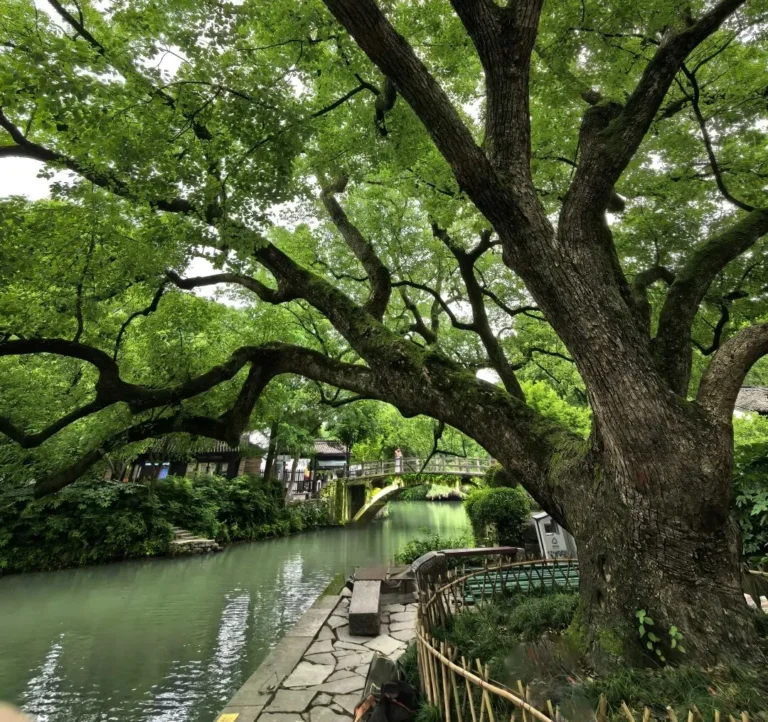
The western side gives you a different version of West Lake: more vegetation, smaller waterways, garden landscapes and quieter stretches between the major sights.
Yuhu Bay (浴鹄湾) is particularly worthwhile for reflections, willow-lined water and a slower atmosphere.
Quyuan Fenghe (曲院风荷) becomes especially attractive during lotus season.
For quieter landscape photography, prioritize:
Early morning gives you the best chance of softer light and fewer visitors.
Late afternoon is better if you want warmer light across the water.
Food is not this route's strongest point.
Bring water and perhaps a small snack rather than expecting food stops every few minutes.
Save a larger meal for when you return toward a more commercial area around the lake.
If food is one of the main reasons you are exploring Hangzhou on foot, the Old Town Heritage Walk is the stronger choice.
For deeper sightseeing planning around the lake, see TripChina’s Hangzhou West Lake Guide.
Yes.
This is the route to choose if you want to see Hangzhou as a living historical city, not just as the city of West Lake.
A practical version can follow much of Hangzhou's officially promoted Tianjie Xunzong (天街寻踪) city walk:
Deshou Palace → Hu Xueyan's Former Residence → Tai Temple Ruins → Dama Nong → Drum Tower → Hu Qing Yu Tang → Qinghefang
The route is built around the historical and everyday life of the Southern Song imperial-city area.
Allow roughly 4–6 hours if you want to enter museums, eat along the way and stop for photography rather than simply walking between landmarks.
Yes, particularly if you are interested in the Southern Song dynasty.
The Southern Song Deshou Palace Ruins Museum (南宋德寿宫遗址博物馆) was built over the archaeological remains of an important Southern Song palace complex.
As of September 2026, individual visitors no longer need advance reservations. Starting August 21, domestic visitors can get an on-site entry code via Alipay; passport holders and other non-Chinese visitors may register their identity on location before entry.
The museum currently opens Tuesday–Sunday, 9:30 AM–5:00 PM, with last entry at 4:30 PM; holiday arrangements can vary.
Check the museum's current visitor instructions before your walk, especially around Chinese public holidays.
Dama Nong (大马弄) is one of the most useful stops because it shifts the route away from purely sightseeing-focused streets and into an everyday neighborhood food-market environment.
You can look for Hangzhou-style snacks and simple local food here before continuing toward the more commercial Qinghefang area.
Look for local snacks such as osmanthus cake, fried stinky tofu, and West Lake lotus root starch here.
Do not assume every shop on Hefang Street is a tourist trap—or that every stall away from it is automatically better.
Compare prices and choose places that are actually busy with local customers.
If food is a major part of your walk, TripChina's Hangzhou food guide goes deeper into local dishes, restaurants and common tourist traps.
Yes, if you understand what it is.
Qinghefang is one of Hangzhou's best-known historic commercial districts. The official tourism bureau describes the pedestrian area as centered on Hefang Street and Southern Song Imperial Street, with a long history as a commercial and cultural center.
It is not the place to go expecting an untouched residential neighborhood, but its traditional streetscape and concentration of historic businesses make it a logical finish to this heritage walk.
The route works best because you see local market streets and historical sites before reaching the commercialized section, rather than using Qinghefang alone as your picture of Hangzhou Old Town.
Yes—if nature and tea are priorities.
This is less of a casual city stroll and more of a half-day countryside hike within Hangzhou’s protected scenic zone.
A full version can connect:
Lingyin area → Longjing Village → Shililangdang → Jiuxi
Do not underestimate the route because it sits inside a major city.
Hills, stone paths and elevation changes make it noticeably more demanding than the West Lake and Old Town walks.
Allow approximately 4–5 hours, depending on your starting point, stops and route choice.
For a closer look at the tea-growing area itself, see TripChina’s Longjing Village guide for foreign travelers.
Yes.
As of September 2026, visits to the Lingyin–Feilai Peak area use the official reservation system. The official Hangzhou tourism information instructs visitors to book through the Hangzhou Lingyin Feilai Peak (杭州灵隐飞来峰) mini-program on WeChat or Alipay, with booking available up to seven days ahead.
If Lingyin is part of your walk, arrange this before setting out rather than assuming you can simply arrive and enter.
For current booking procedures and visitor rules, see TripChina’s Lingyin Temple reservation guide.
Longjing Village sits within one of China's most famous tea-growing landscapes.
The experience is less about checking off attractions and more about walking among tea fields, village lanes and hills.
Tea tastings are widely available, but there is no need to feel obligated to buy expensive tea simply because you sit down for a tasting.
Ask about the price before ordering or purchasing leaves.
It is manageable for many reasonably active travelers, but it should not be described as a flat stroll.
Expect steps and uneven stone sections.
If you want tea-country scenery without committing to the longer hike, shorten the route around Longjing Village instead of continuing over the ridge toward Jiuxi.
Spring is the signature season because of the Longjing tea harvest, while autumn offers cooler hiking weather.
Season changes the experience considerably, especially for the tea-country route.
| Season | West Lake West Line | Old Town Heritage | Longjing Tea Country |
|---|---|---|---|
| Spring (Mar–May) | Excellent | Excellent | Best — tea season |
| Summer (Jun–Aug) | Good, but humid | Fair–Good; hotter urban streets | Good with an early start |
| Autumn (Sep–Nov) | Excellent | Excellent | Excellent |
| Winter (Dec–Feb) | Atmospheric but colder | Good | Fair |
Spring and autumn are the easiest seasons overall. Summer favors early starts and shaded routes, while winter can make West Lake and the Old Town quieter.
Check the forecast before choosing your route.
If your trip overlaps with a Chinese public holiday, crowd density can matter just as much as the season itself. TripChina’s China public holiday guide can help you identify the busiest periods before you finalize the walk.
Hangzhou's misty landscape can look beautiful in light rain, but the three routes respond differently to wet weather.
| Weather | Best Route | Why |
|---|---|---|
| Clear & mild | Any route | Best overall walking conditions |
| Light rain | Old Town or West Lake | Easier surfaces and places to stop |
| Hot summer day | West Lake, early morning | More shade and easier to shorten |
| After heavy rain | Avoid the longer Longjing hike | Hill paths and stone steps can be slippery |
| Cool autumn day | Longjing | Comfortable conditions for climbing |
After persistent or heavy rain, avoid the longer Longjing hill route because stone paths and steps can become slippery.
West Lake can be especially atmospheric in drizzle if you have suitable shoes and an umbrella.
Public transportation is usually the easiest choice.
Public shared bikes are also a popular option along flat West Lake sections, especially if you want to mix short walks with cycling.
West Lake and Lingyin can be subject to traffic-management measures that become stricter during weekends, public holidays and periods of exceptionally high visitor numbers.
Do not build these walks around driving and parking.
For a broader explanation of metro, buses, DiDi and getting around without a Chinese bank card, see TripChina’s Hangzhou transport guide for foreign travelers.
| Route | Best Approach | End-of-Walk Strategy |
|---|---|---|
| West Lake West Line | Metro + bus/taxi connection toward Yanggong Causeway | Continue toward northern/eastern West Lake for transit |
| Old Town Heritage | Metro to the Wushan / old-city area | Finish near Qinghefang and return by metro |
| Longjing Tea Country | Public transport toward Lingyin or Longjing | Bus/taxi connection from Jiuxi or shorten the route |
On busy days, public transit is usually simpler than driving.
For day-to-day payments while walking—especially small shops, food stalls, taxis and transport—set up mobile payment before you arrive. TripChina’s guide to using Alipay in China without a Chinese bank account covers the practical setup.
Paved lakeside paths are easy, but old town lanes and Longjing hill trails have uneven stone.
Bring sturdy, non-slip walking shoes, especially for rainy days. Pack a reusable water bottle and light sun protection for spring and summer.
Not unless circling the lake itself is your goal.
A first-time visitor can spend hours mechanically completing a loop while rushing past the parts worth exploring.
Choose one side of the lake and explore it properly.
Technically, you can move between them.
That does not make it a good city walk. Each deserves several hours.
Combining both into a short afternoon usually turns the experience into transport + rushing + photographs rather than an enjoyable walk.
Broken Bridge is iconic, but it is not automatically the best starting point.
If avoiding the most concentrated crowds matters more than checking off famous landmarks, begin on the western side instead.
| If You Have... | Best Choice | Why |
|---|---|---|
| 2 hours | Short West Lake West Line | Easy to shorten without ruining the experience |
| 3–4 hours | West Lake West Line | Best balance for first-time visitors |
| Half a day | West Lake or Longjing | Choose scenery vs. nature |
| 5–6 hours | Old Town Heritage | Allows museums, markets and food stops |
| One full day | One complete route + relaxed evening | Better than rushing two major walks |
The best Hangzhou city walk is not the route with the most stops, but the one that gives you enough time to experience each area without rushing.
This article belongs to TripChina’s Hangzhou Travel Guide hub.
The West Lake route is the easiest of the three to adapt because many lakeside sections are paved and relatively level.
Old Town surfaces and accessibility vary by street and attraction. The Longjing route includes hills, steps and uneven paths and is therefore the least suitable.
Travelers using wheelchairs or with significant mobility limitations should check individual attractions and access points before setting out.
It depends on the attraction and its current entry system.
At Deshou Palace, foreign visitors carrying passports or other valid documents can currently register their identity information on site. Other attractions may use different procedures, so check the official instructions before visiting.
They are generally easiest to find around West Lake scenic facilities, museums, metro stations and established visitor areas.
They become less frequent on longer hill and tea-country sections. Use facilities when available before beginning a more remote stretch.
Yes.
These routes pass through established urban or scenic areas, but having a Chinese mapping app and the Chinese names of important destinations makes navigation much easier.
Save key place names before starting, particularly for the Longjing route where English signage can be less consistent. TripChina’s China navigation app guide for foreign travelers explains the main alternatives to relying on Google Maps.
If you only have one day in Hangzhou and want the most classic experience, choose the West Lake West Line. It is the most recognizably Hangzhou, and you can shorten or extend it as needed.
If food, markets and historical streets matter more than lake views, choose the Old Town Heritage Walk. It is the most culturally layered of the three.
If you're looking for a half-day outdoors and don't mind hills, choose the Longjing Tea Country Walk. It is the most active of the three and the best fit for travelers who want tea fields and nature rather than another urban sightseeing route.
The best Hangzhou city walk is not about checking off landmarks. It is about picking a route aligned with your energy, interests, and the day’s weather.
Hangzhou Culture, Radio, TV and Tourism Bureau — City Walk
Hangzhou — Deshou Palace Entry Update
Hangzhou West Lake Scenic Area Traffic Management
Hangzhou Official Tourism — Lingyin Reservation Information
Last researched: September 9, 2026.
This guide was checked against current Hangzhou government, tourism and scenic-area information, including the August 21 Deshou Palace entry change, West Lake traffic management, Lingyin–Feilai Peak booking procedures and Hangzhou's official city walk resources. Walking times and route recommendations are TripChina planning estimates rather than fixed official durations. Weather, crowds, temporary closures and individual walking pace can change the experience.
Planning a smoother China trip? This free TripChina.me guide helps you understand the decision. Our Premium Travel Guides and AI Trip Planner add the execution layer: optimized routes, timing suggestions, booking strategies, and local details that help you travel with confidence.