Our Location:
No. 99, Jiazi Road, Chengdu

 authorChris Lee
Shanghai Museum now has two venues, but they serve very different purposes. For the museum’s main Chinese permanent collections—bronzes, ceramics, jade, sculpture, painting and calligraphy—go to Shanghai Museum East in Pudong. The historic People’s Square venue has reopened, but it is currently dedicated to a major ticketed exhibition rather than the museum’s normal permanent collection.
| Question | Direct Answer |
|---|---|
| Which venue should first-time visitors choose? | Shanghai Museum East in Pudong for the main Chinese permanent collections. |
| Is East Venue free? | Yes. Basic permanent exhibitions are free. |
| Do individual visitors need reservations? | No for the regular permanent galleries. Capacity controls can still apply when the museum is very busy. |
| What ID should foreign visitors bring? | Bring your original passport for identity verification. |
| When is East Venue closed? | Tuesdays, except national public holidays. |
| How long should I allow? | About 2 hours for highlights or 3–4 hours for a balanced first visit. |
| Is People’s Square open? | Yes—but currently for the paid Americas special exhibition only. For Chinese permanent collections, go to East Venue. |
The simplest way to remember the current setup is:
Chinese permanent collections → Shanghai Museum East
Ancient Civilizations of the Americas exhibition → People’s Square
The People’s Square exhibition runs from July 9, 2026 to November 14, 2027, and the museum states that no other exhibitions will be shown there during this period.
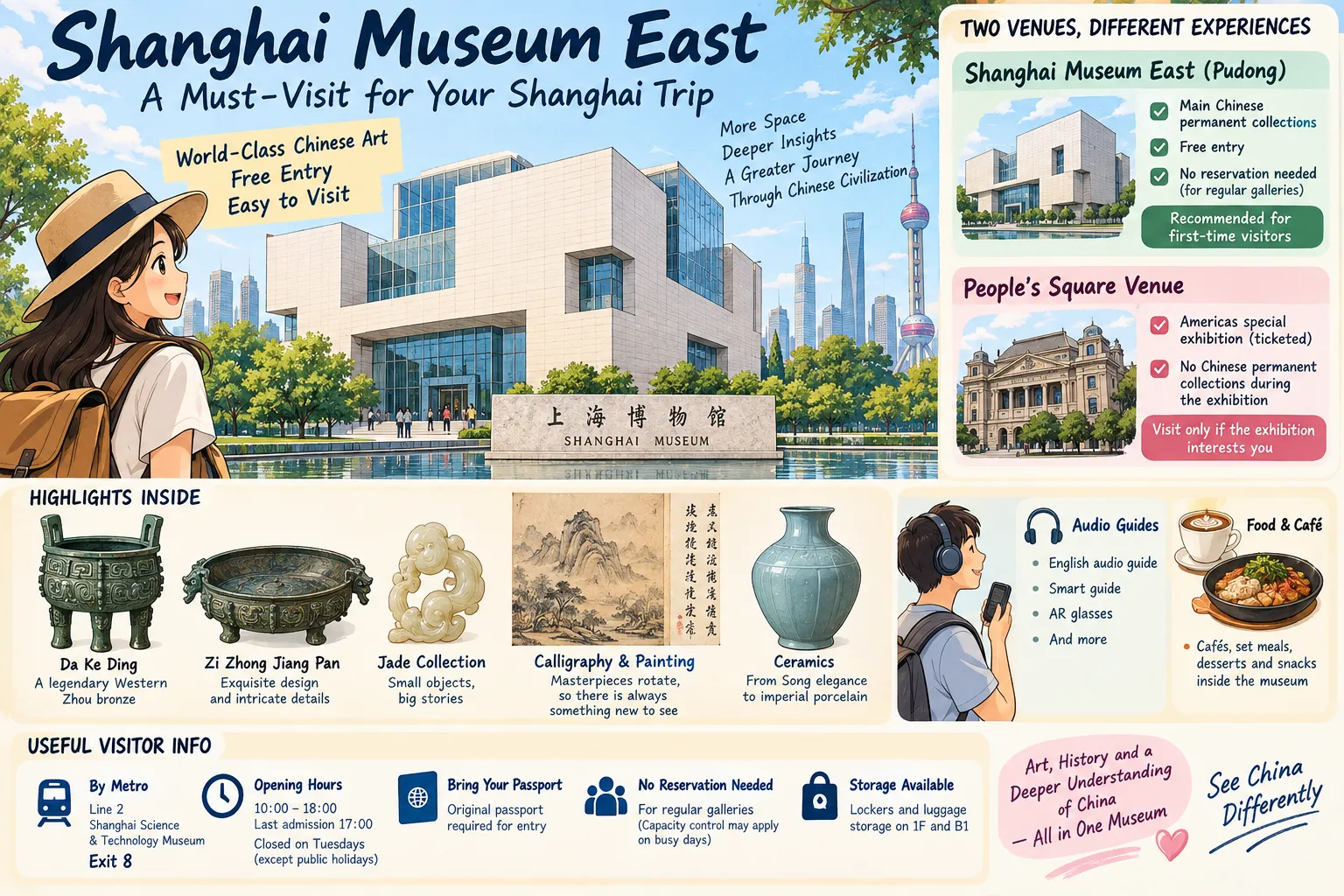
As of September 2026, both venues are open, but they are not interchangeable.
| Feature | Shanghai Museum East — Pudong | People’s Square Venue |
|---|---|---|
| Current role | Main permanent collections | Major temporary exhibition venue |
| Best for | Chinese art, archaeology and first-time visits | Visitors specifically interested in the Americas exhibition |
| Chinese permanent collections | Yes | No during the current exhibition period |
| Standard admission | Basic galleries free | Current exhibition is ticketed |
| Individual reservation | Not required for basic galleries | Purchase/reservation required for the current exhibition |
| Normal closed day | Tuesday* | Monday* |
| Visitor type | First-time Shanghai Museum visitors | Exhibition-specific visitors |
*Except when national-holiday arrangements override the normal closure schedule.
The People’s Square venue reopened on July 9, 2026 for On Top of the World Tree: Ancient Civilizations of the Americas. During this exhibition period, the museum directs visitors looking for permanent displays and other exhibitions to Shanghai Museum East.
Important: A ticket for the People’s Square exhibition does not mean you will see Shanghai Museum’s normal bronze, jade, ceramic, painting and calligraphy collections there.
Address: 1952 Century Avenue, Pudong New Area
Chinese: 上海市浦东新区世纪大道1952号
Opening hours: 10:00–18:00
Last admission: 17:00
Closed: Tuesdays, except national public holidays
These are the museum’s current published East Venue opening hours.
No advance reservation is currently required for individual visitors entering the basic permanent exhibitions.
Shanghai Museum has operated this walk-in arrangement at the East Venue since September 15, 2024. Individual visitors enter through the B1 East Gate, complete security screening and use their original valid identity document for admission.
The official individual-visitor entrance is the B1 East Gate near Dingxiang Road.
Do not automatically follow visitors heading toward the 1F North Gate—the museum identifies that entrance for reserved groups. Once you reach the complex, follow signs for:
B1 / East Gate / 东门
and have your passport ready before reaching security.
Yes.
“Reservation-free” does not mean unlimited immediate entry. Shanghai Museum states that it may activate crowd-control measures when visitor numbers reach the maximum daily or instantaneous capacity.
On busy weekends and public holidays, arriving earlier is therefore still sensible.
The museum currently requires advance reservations for:
These use the museum’s special-reservation system and are separate from ordinary access to the permanent galleries. Ticketed temporary exhibitions may also follow their own rules.
For the main East Venue galleries, you do not need WeChat simply to enter.
If you want a reservation-only activity, use the museum’s official booking channels or ask the museum information desk or your hotel concierge for help rather than paying an unknown seller.
For other Shanghai attractions that do require advance reservations, see TripChina’s Shanghai attraction booking guide.
Metro is the easiest option for most independent travelers.
| Metro Line | Station | Official Suggested Exit | Approx. Walk |
|---|---|---|---|
| Line 2 | Shanghai Science & Technology Museum | Exit 8 | Short walk |
| Line 4 | Xiangcheng Road | Exit 2 | Several minutes |
| Line 6 | Pudian Road | Exit 1 | About 10 minutes |
The museum’s current official visitor page specifically directs Line 2 passengers to Exit 8.
If you are staying around People’s Square or Nanjing Road, Line 2 gives you a straightforward trip east into Pudong.
For fares, payment and navigating the system, see TripChina’s Shanghai Metro Guide.
For a first visit, do not try to treat every gallery equally.
Use one core route and expand it only if you have more time.
Follow this sequence:
B1 Entrance → 1F Bronzes → 1F Sculpture → 2F Jade → Seals → Calligraphy → Painting → 3F Ceramics
A few objects and collections deserve particular attention.
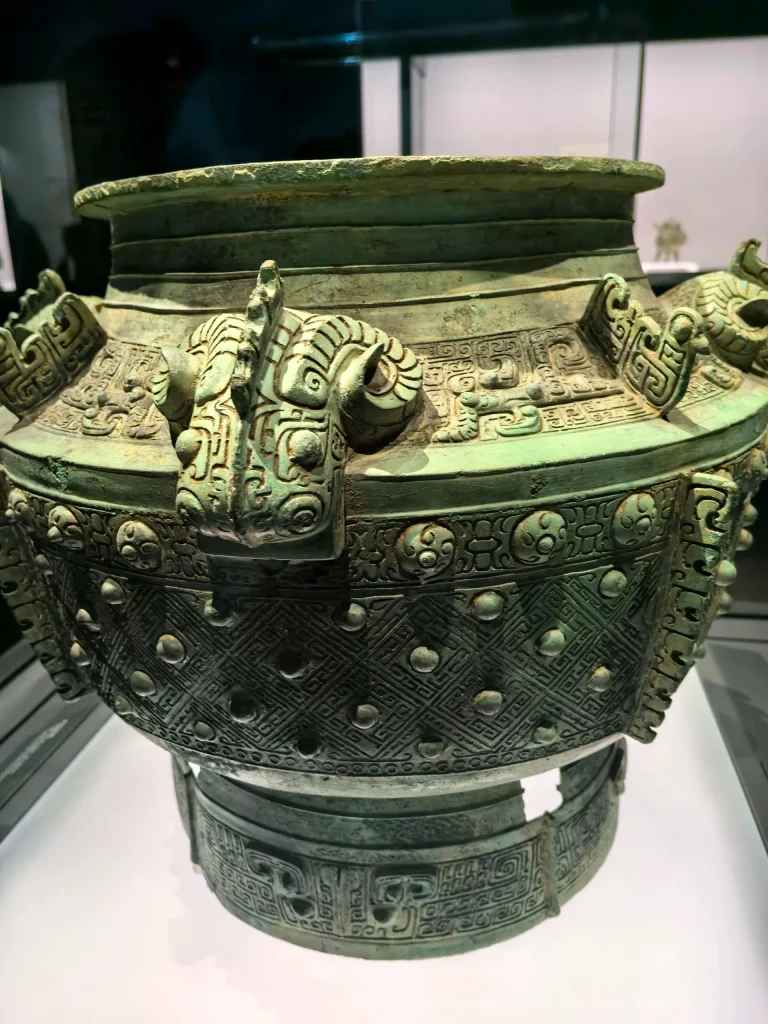
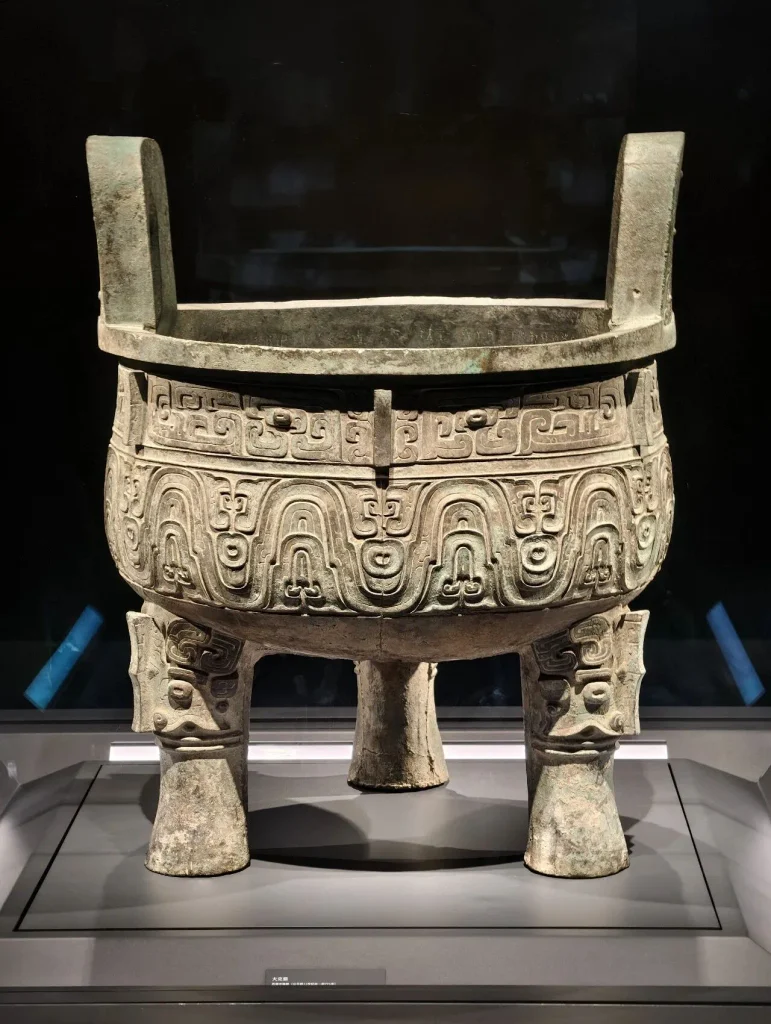
This monumental Western Zhou bronze is one of Shanghai Museum’s signature objects and a strong introduction to the museum’s celebrated ancient bronze collection.
Look closely at the intricate aquatic imagery and three-dimensional decoration rather than simply walking past the case.
The sculpture galleries give the visit a very different visual rhythm after the dense bronze displays and are worth including even on a short route.
Jade rewards slower viewing. The objects may be small, but details of carving, material and symbolism are often easier to appreciate when you stop trying to “complete” the gallery.
These galleries are essential to understanding Chinese art, but works on paper rotate for conservation reasons. The exact masterpiece named in an older travel guide may not be on display on your date.
Finish with ceramics, especially if Song-period aesthetics or later imperial porcelain interest you.
This gives you a coherent first visit without trying to clear every gallery.
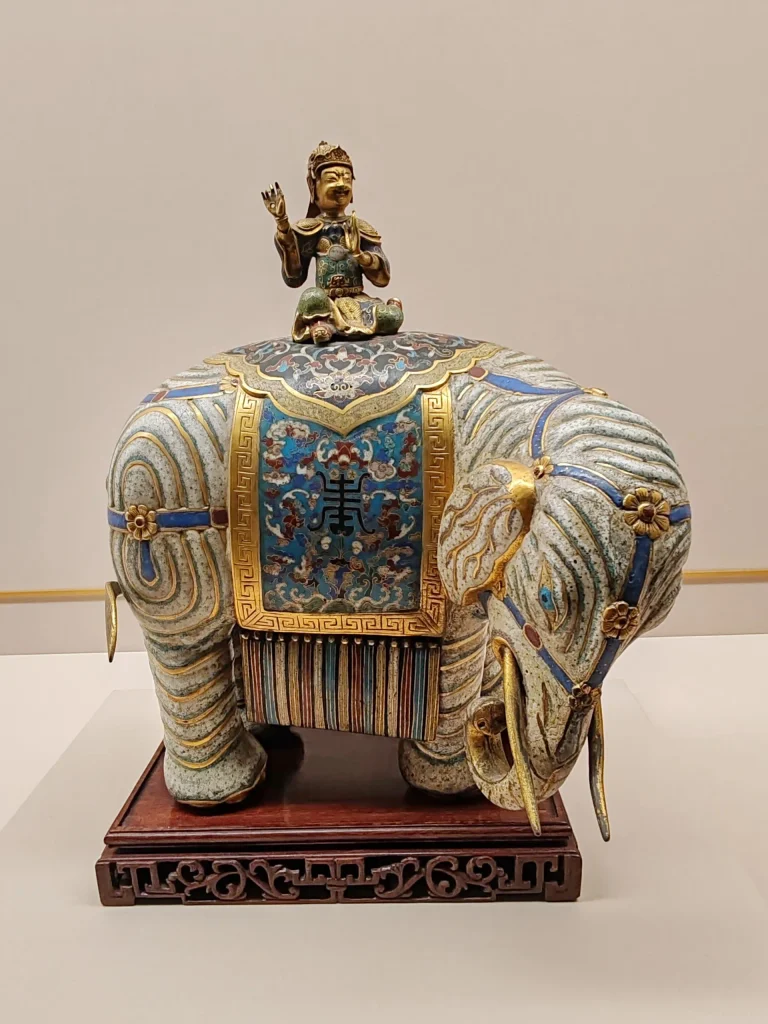
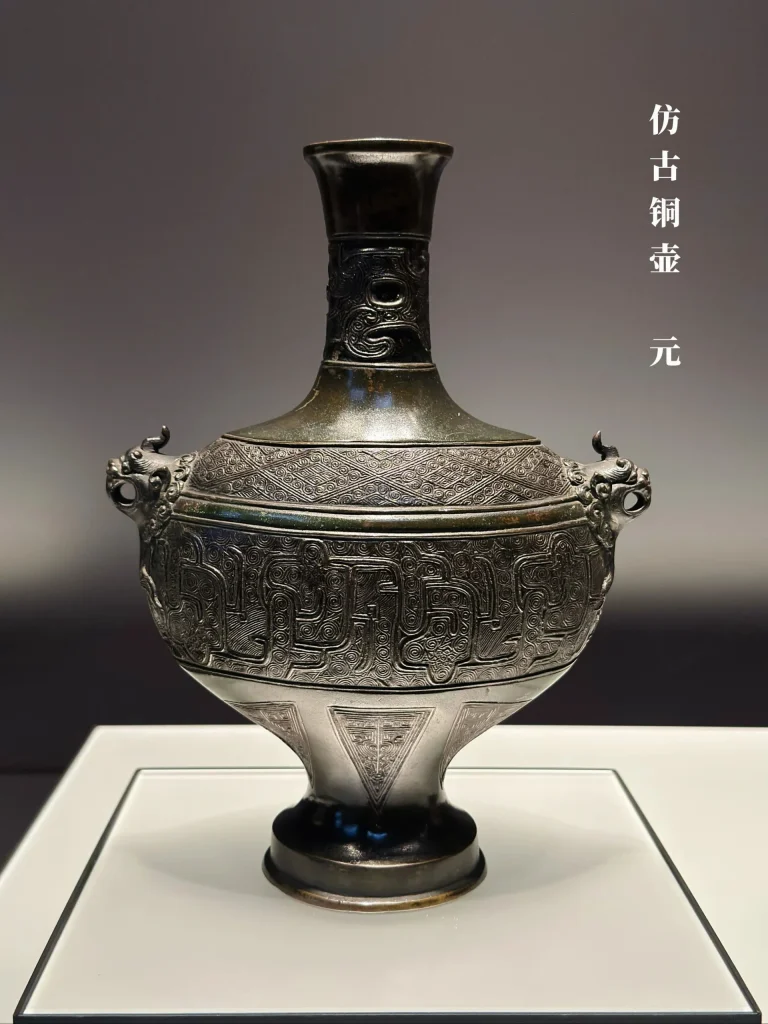
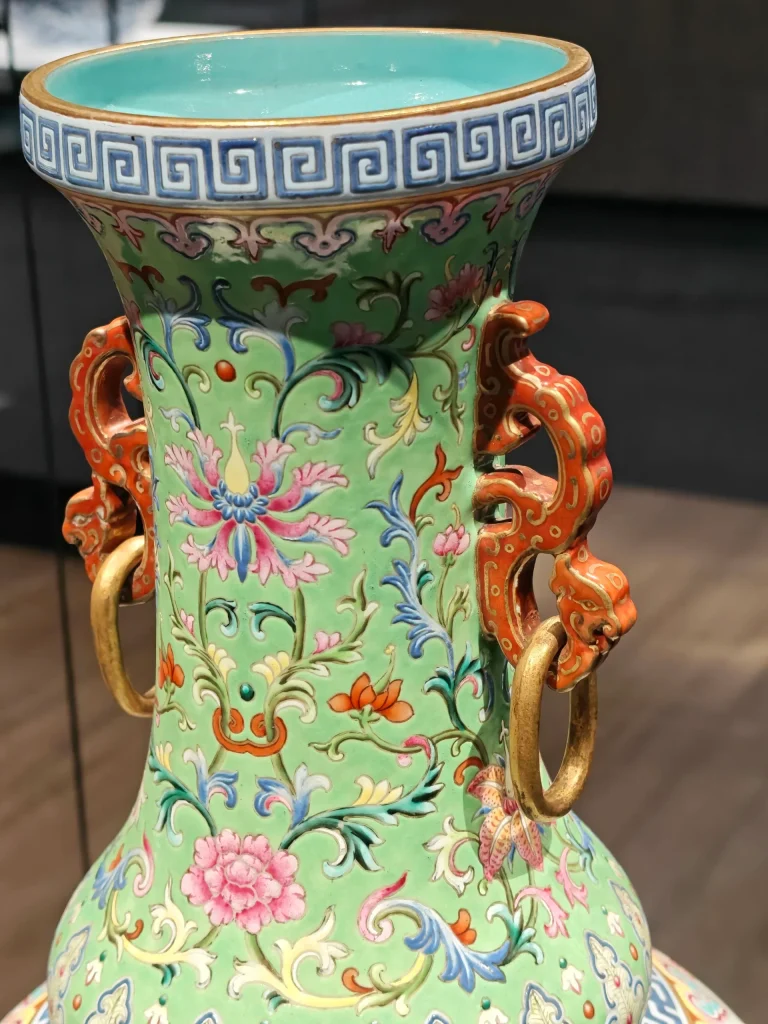
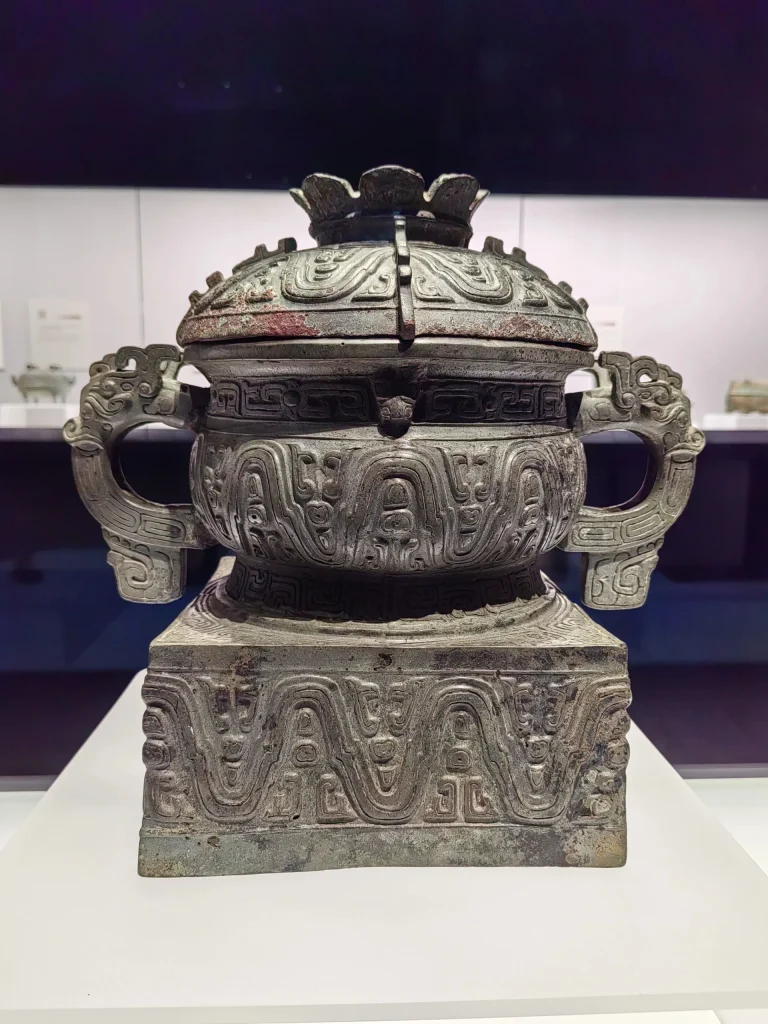
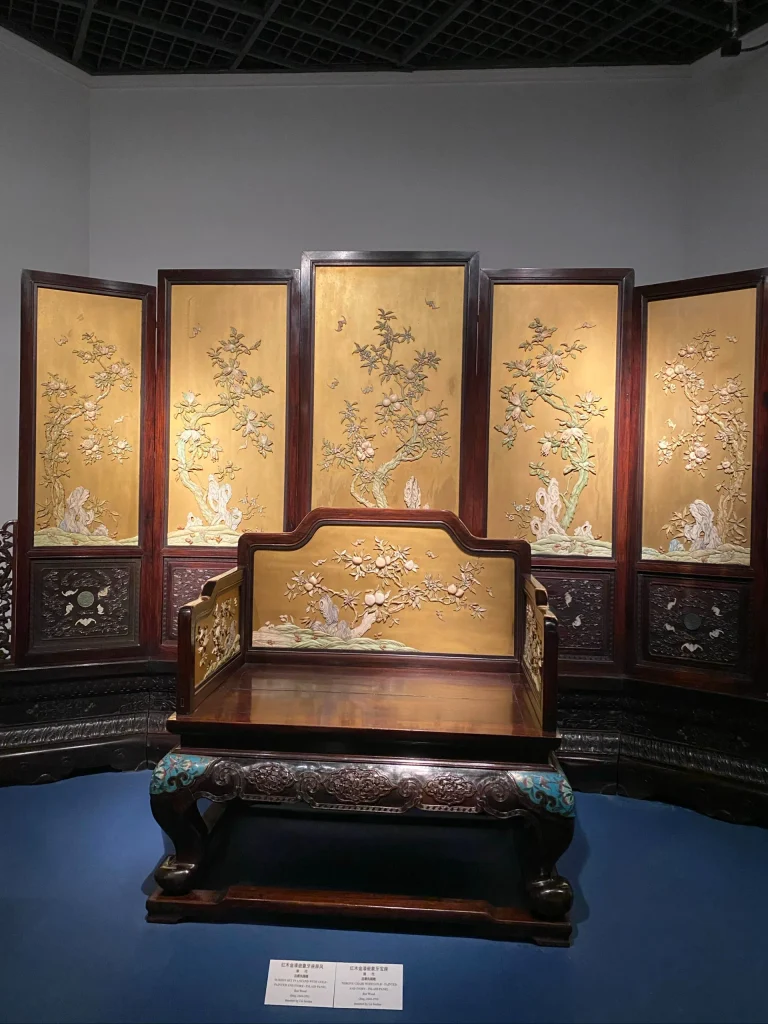
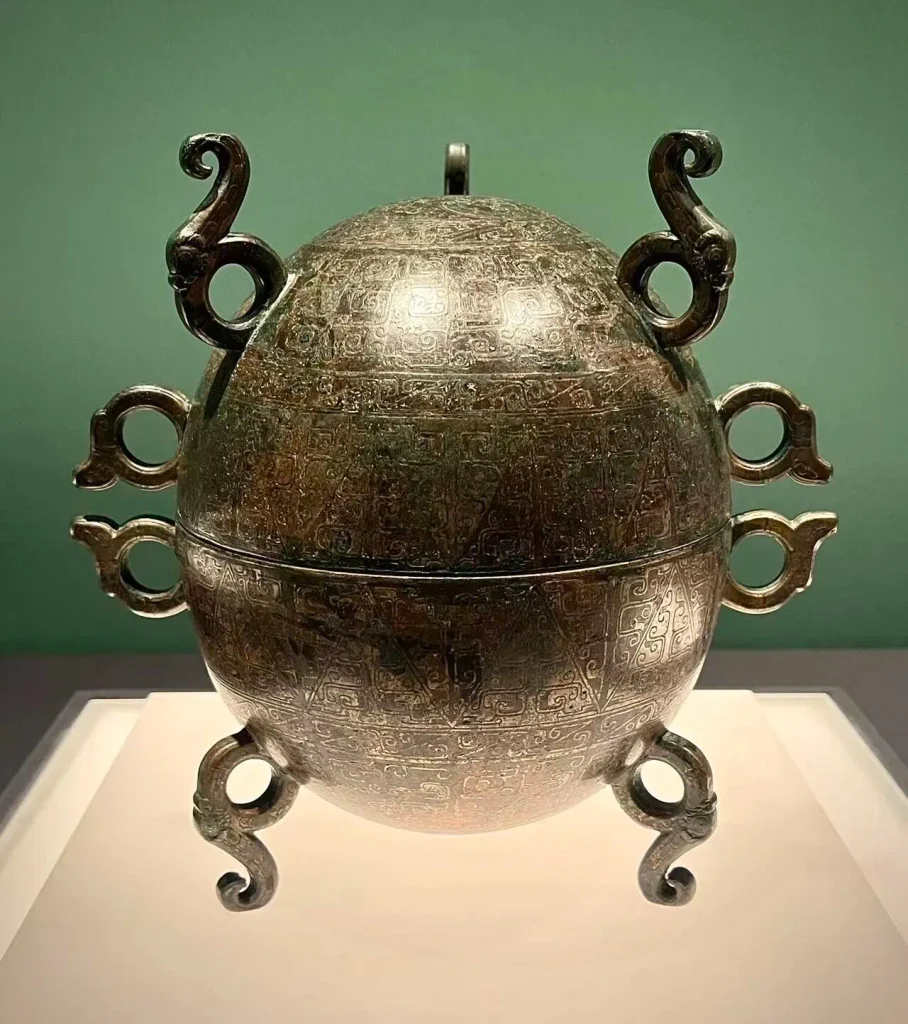
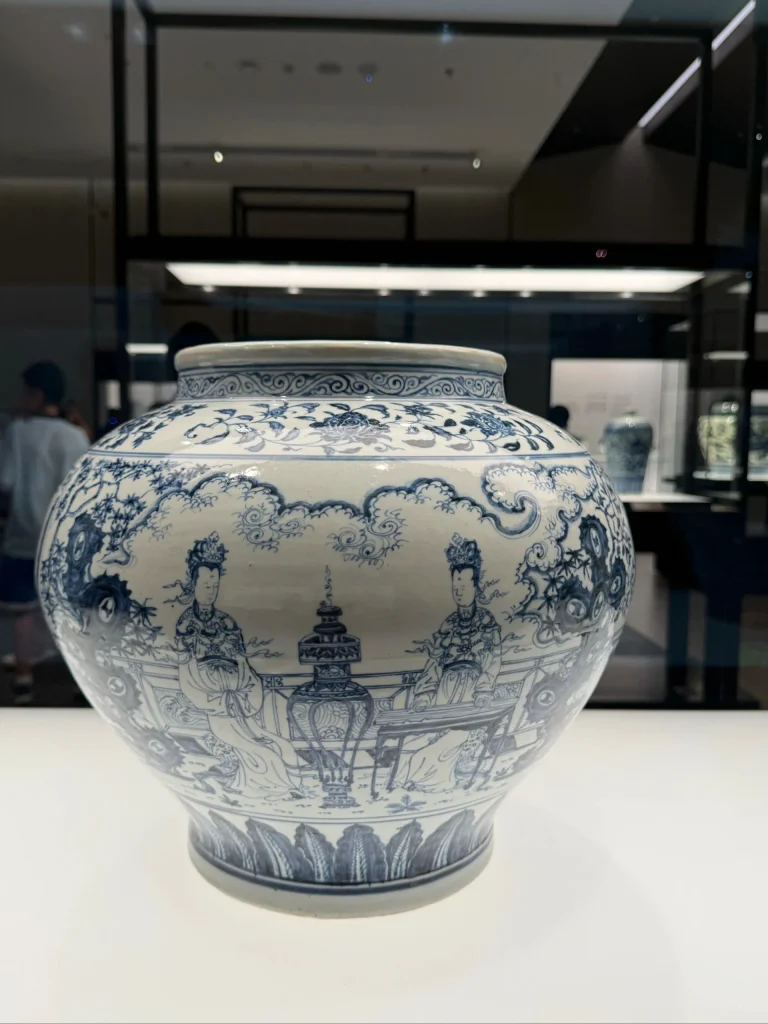
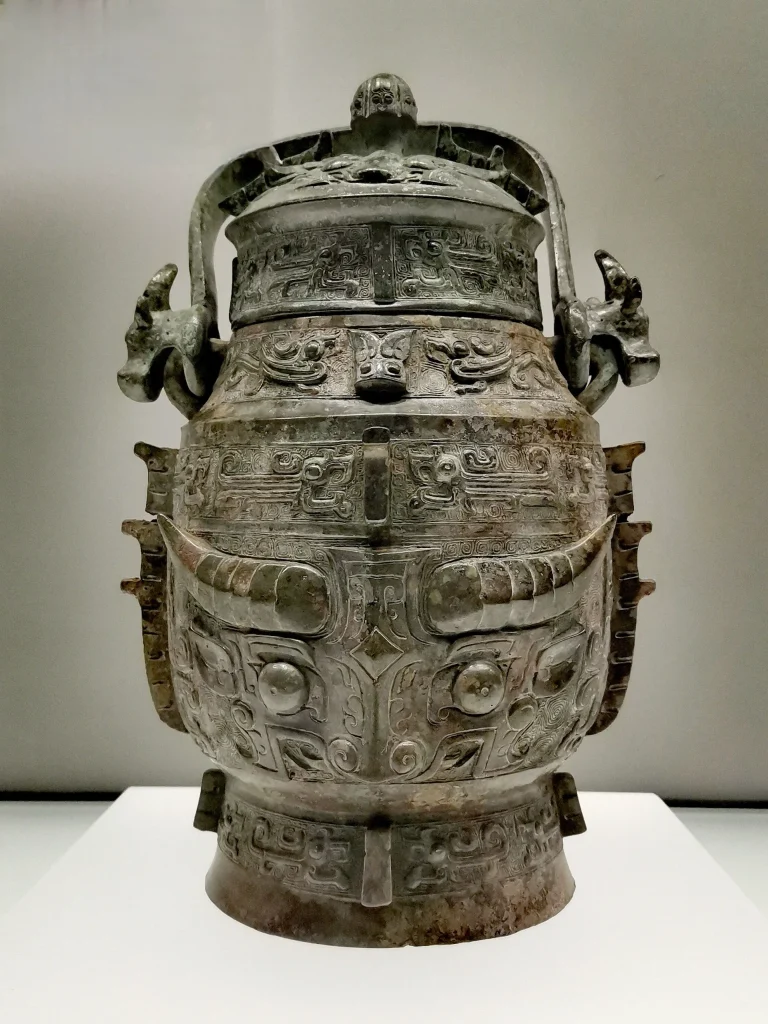
Keep the same 2-hour core route, then add:
For most travelers, 3–4 hours is the sweet spot.
You see enough to understand why the collection matters without reaching the point where every display case starts blending into the next.
Do not simply add every remaining room.
Choose two or three collections for deeper viewing—bronzes, ceramics, calligraphy and painting are particularly strong—and move much more slowly.
You can also add the Digital Gallery if you have secured its separate reservation.
For a serious museum visitor, depth usually produces a better experience than trying to claim you “saw everything.”
Not necessarily.
Works on paper rotate because of conservation and exhibition requirements. If seeing a specific painting or calligraphy work is important to you, check Shanghai Museum’s current exhibition listings shortly before your visit.
Do not build your entire itinerary around a scroll simply because an older travel article calls it a permanent “must-see.”
Yes.
This is one of the most useful services for international visitors because it gives far more context than simply moving from label to label.
| Guide Option | Current Price | Best For |
|---|---|---|
| Free WeChat Guide | Free | Highlights and basic interpretation |
| English Audio Guide | RMB 40 | Straightforward English narration |
| Chinese Audio Guide | RMB 20 | Chinese-speaking visitors |
| Smart Guide | From RMB 30 | Maps, audio, video and interactive interpretation |
| AR Smart Glasses | RMB 60 | More immersive visual interpretation |
| Human Guided Tour | From RMB 150/person | Visitors wanting deeper interpretation |
The standard English audio-guide set includes a multimedia player, earphones and lanyard and is listed by the museum as deposit-free for permanent exhibitions.
The smart guide provides additional maps, videos, animations and interactive material, while the AR glasses use visual recognition and multimedia content.
For a first-time English-speaking visitor, the RMB 40 English audio guide is the simplest paid upgrade.
You do not necessarily need to leave the museum for lunch or coffee.
For practical budgeting, current listings used in TripChina’s earlier research put the main options roughly in these ranges:
| Area | Typical Option | Approx. Planning Price |
|---|---|---|
| B1 dining area | Hot meals / set meals | From about RMB 48 |
| 1F café | Coffee and museum-themed sets | Around RMB 58+ |
| 2F dessert / café area | Desserts, drinks and themed items | Around RMB 70–80 for some sets |
| Dairy / snack counters | Milk, bread and cold drinks | Around RMB 10–20 |
These are approximate planning ranges—menus and prices can change.
Shanghai Museum’s current official visitor information confirms cafés, snacks and dining facilities inside the East Venue.
If you only have two or three hours, eating inside usually makes more sense than leaving the museum and interrupting the visit.
Before leaving, ask the service desk whether a same-day re-entry wristband or another re-entry procedure is currently available.
Do not walk out assuming your original entry automatically guarantees immediate re-entry later.
If you want a wider restaurant choice, nearby commercial areas provide more options within walking distance.
For Shanghai Museum’s permanent Chinese collection, navigate to:
Shanghai Museum East
1952 Century Avenue, Pudong
The People’s Square building now serves a different purpose.
Shanghai Museum East normally closes on Tuesdays except national public holidays.
Individual visitors use the B1 East Gate near Dingxiang Road. The 1F North Gate is used for reserved groups.
Choose a 2-hour, 3–4-hour or deep-dive approach before you start.
The museum is large enough that collecting galleries can quickly become less rewarding than actually looking at them.
The permanent galleries are free, but the Exploration Palace, Digital Gallery and ticketed temporary exhibitions can follow separate booking or payment rules.
Bring your original passport.
A phone photo can be useful as backup information, but do not assume it replaces the original document when the museum carries out identity verification.
Bring a light layer.
Museum galleries can feel cool if you spend several hours indoors.
Use the storage facilities rather than carrying large bags all day.
The museum lists storage on 1F and B1. B1 self-service lockers are intended for smaller luggage, while 1F provides additional self-service and staffed storage for coats, bags and larger luggage.
Special activities have separate rules.
Check the Digital Gallery, family spaces and ticketed exhibitions individually rather than assuming basic admission covers them.
Yes—particularly if Chinese history, art or material culture is one of the reasons you came to Shanghai.
The East Venue’s advantage is not simply that the building is newer. Its scale gives major collections more room and makes it easier to spend meaningful time with bronzes, ceramics, jade, sculpture, calligraphy and painting without the entire museum feeling compressed.
For first-time visitors, the most important principle is simple:
Depth beats completeness.
Three focused hours will usually give you a better experience than six exhausted hours spent trying to tick every gallery off a list.
Yes—but for a completely different reason.
As of September 2026, the People’s Square venue is hosting:
On Top of the World Tree: Ancient Civilizations of the Americas
Exhibition period: July 9, 2026 – November 14, 2027
The exhibition occupies the venue’s first through third floors, and Shanghai Museum states that the People’s Square building will host no other exhibitions during this period.
Therefore:
Want Shanghai Museum’s Chinese permanent collections? → East Venue
Want the Americas exhibition? → People’s Square
For most first-time travelers, that distinction matters more than comparing the architecture of the two buildings.
This article is part of the Shanghai Travel Guide Hub.
Photography is generally possible where no no-photography notice applies, but flash, selfie sticks and tripods or similar support equipment are prohibited. Some collaborative or special exhibitions may prohibit photography entirely, so follow signs and staff instructions.
Yes, but storage is often easier than carrying it through the galleries. The museum provides storage facilities on 1F and B1; B1 lockers are designed for smaller luggage, while 1F also handles larger bags and coats.
Yes. The museum lists accessible elevators and free wheelchair borrowing. Borrowers can use a valid ID or RMB 300 deposit, and borrowed wheelchairs are for use inside the museum only.
Children under 12 must be accompanied by an adult throughout the visit.
Technically yes, but for most first-time travelers it is not recommended unless the Americas exhibition is a specific priority. Give the East Venue at least 2–4 hours before adding another major museum experience.
For most first-time visitors, Shanghai Museum East is the clear choice: it holds the main Chinese permanent collections, basic admission is free, individual visitors normally do not need an advance reservation, and a focused 2–4 hour visit covers the strongest galleries.
The People’s Square venue is now a separate paid special-exhibition experience. Treat the two venues accordingly.
Shanghai Museum — East Venue Visitor Information
Shanghai Museum — Official Reservation Notice
Shanghai Museum — People’s Square Visitor Information
Shanghai Museum — Official Website
This guide was fully reviewed on September 7, 2026 using Shanghai Museum’s current visitor, reservation and service information. Time-sensitive details such as access procedures, special exhibitions, guide services, menus and individual gallery availability can change. Restaurant prices are approximate planning ranges rather than fixed official rates. TripChina’s route lengths and venue recommendations are editorial guidance for first-time international visitors; current museum rules should always take priority.
June 15, 2026: Initial publication.
August 3, 2026: Updated venue, route and visitor-planning information.
September 7, 2026: Full fact-check against current Shanghai Museum information; corrected Metro Line 2 access to Exit 8; updated the reopened People’s Square venue and Americas exhibition; clarified East Venue reservation and capacity rules; added storage, wheelchair and child-visitor information; expanded English audio-guide options; simplified route structure and removed repetitive passport, capacity and venue-status wording.
TripChina.me creates practical China travel guides shaped by real local experience, helping independent travelers navigate transport, payments, food, neighborhoods, and the cultural details that make traveling in China easier and more meaningful. Find the guide for your destination at tripchina.me.