Our Location:
No. 99, Jiazi Road, Chengdu

 authorChris Lee
Watching Face-Changing Shows (Bian Lian) — Sichuan Opera’s famous face-changing technique — is one of Chengdu’s classic evening experiences. But the venues are surprisingly different: some are polished theaters, others feel like old-school teahouses, and some tourist-area mini shows are simply poor value. This guide compares eight options by atmosphere, price, duration, schedule, language accessibility and overall experience, based on information checked through September 2026.
• Best overall first-time experience: Shu Feng Ya Yun (蜀风雅韵) for its traditional courtyard atmosphere, tea and full Sichuan Opera variety show.
• Best polished stage production: Fu Rong Guo Cui (芙蓉国粹), performed at the Sichuan Opera Theatre, for stronger lighting, staging and a more structured production.
• Best value for families: Li Yuan Hui Guan (梨园会馆), with frequent performances, strong audience interaction and tickets often around ¥49.9.
• Best local teahouse atmosphere: Meihua Opera Society (梅花剧社), a smaller, less polished venue that feels much closer to Chengdu’s everyday opera culture.
• Best for travelers worried about language: Chengdu Yuanzi (成都院子), although visual acts such as face-changing, fire-spitting and puppetry are easy to understand at almost any venue.
As of September 2026, mainstream shows generally last about 60–90 minutes. Exact schedules and ticket packages change more often than the performances themselves, so always check your selected date before paying.
| Venue | Duration | Typical Price | Atmosphere | Production | Interaction | Best For |
|---|---|---|---|---|---|---|
| Shu Feng Ya Yun | 90 min | ¥120–200 | Traditional courtyard | High | Medium | First-time visitors |
| Fu Rong Guo Cui | 70 min | ¥80–280 | Modern theater | Very high | Low–medium | Polished spectacle |
| Li Yuan Hui Guan | 65–70 min | From ¥49.9 | Commercial teahouse | Good | Very high | Families, budget |
| Meihua Opera Society | About 70 min | ¥58–98 | Local teahouse | Modest | High | Local atmosphere |
| Chengdu Yuanzi | Confirm when booking | Around ¥55.8 | Modern interactive | Good | Very high | Younger travelers |
| Jinjiang Theater | 70 min for Legendary Face-Changing | Varies by program | Historic theater | High | Medium | Opera/history fans |
| Sanhua Troupe | Confirm when booking | Usually low-cost | Grassroots | Modest | High | Local experience |
| Weimiantang | Confirm when booking | About ¥29.9–90 | Modern creative space | High | Medium | Something different |
Prices above are reference prices seen in 2026 listings, not guaranteed walk-up rates. Holiday dates, seat classes, bundled experiences and individual booking platforms may produce different prices.
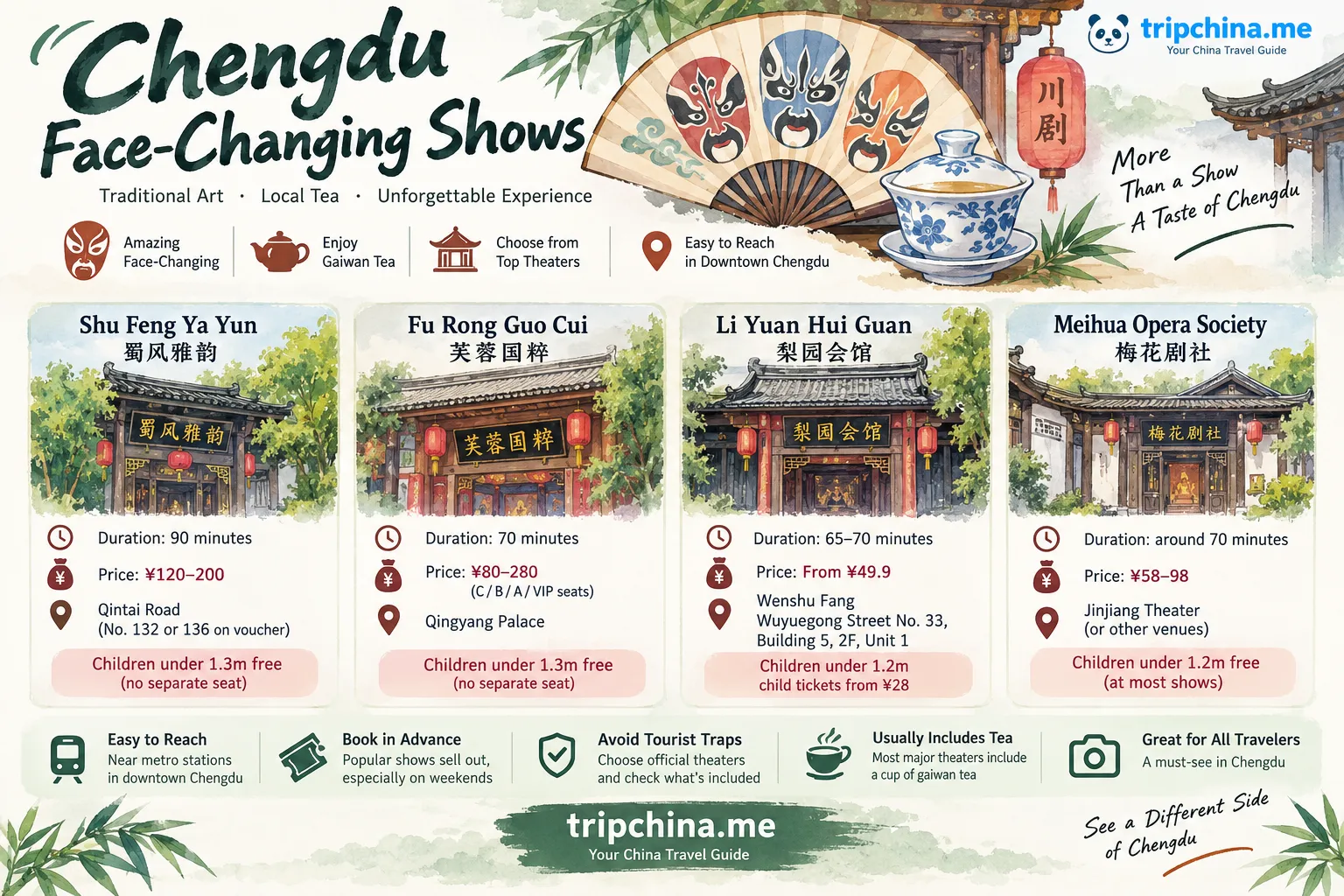
Choose Shu Feng Ya Yun if atmosphere matters most.
Choose Fu Rong Guo Cui if production quality matters most.
Choose Li Yuan Hui Guan if you want a cheaper, easier-to-book show with children.
Choose Meihua Opera Society if you care more about local character than comfort.
That distinction matters because “Bian Lian show” in Chengdu can describe anything from a full 90-minute Sichuan Opera program to a short tourist-zone performance.
For most first-time visitors, Shu Feng Ya Yun (蜀风雅韵) gives the easiest version of the experience people imagine before coming to Chengdu: wooden tables, gaiwan tea, a traditional courtyard, Sichuan Opera costumes and a sequence of folk-performance highlights.
Shu Feng Ya Yun was established in 1998 rather than being a literal century-old theater, although its setting and presentation deliberately evoke the older Chengdu teahouse tradition. Its program is built around Sichuan Opera, face-changing, fire-spitting, hand shadows, rolling lamp comedy and other traditional arts.
The full performance normally runs about 90 minutes. Expect face-changing, fire-spitting, puppetry, hand shadows, comedy and other rotating acts rather than 90 continuous minutes of Bian Lian.
Address: Shu Feng Ya Yun is inside Chengdu Culture Park on Qintai Road. Current booking listings commonly use No. 132 Qintai Road for the Culture Park East Gate ticket office, while some other listings use No. 136 Qintai Road. These refer to the same immediate venue area, so follow the exact address and collection instructions printed on your booking voucher.
📍 Open in Amap — Shu Feng Ya Yun (蜀风雅韵)Transport: Take Metro Line 2 to Tonghuimen Station and walk toward Qintai Road. For tickets, metro payment and airport connections, see the Chengdu metro guide.
Showtime: The regular performance is generally around 20:00. During busy travel periods, an additional earlier show — commonly around 18:00 — may be added. Do not assume two performances run every day; check the session attached to your booking.
Duration: 90 minutes.
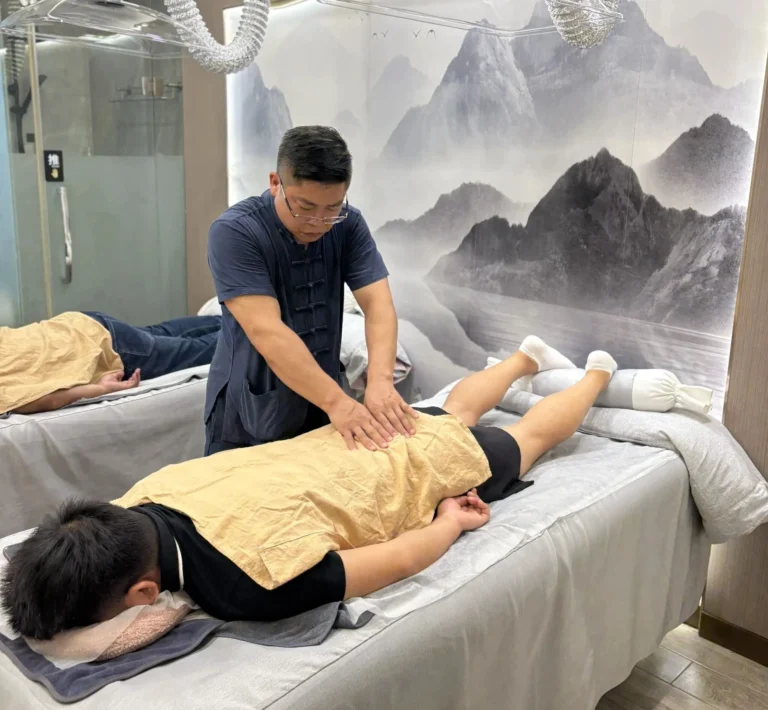
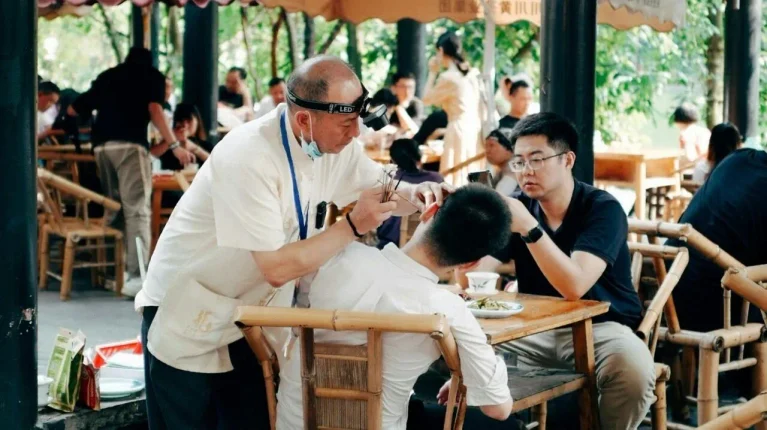
Price: Standard published packages commonly fall around ¥120–200 depending on seat category and included extras. Premium packages may include a choice of one local experience, such as ear cleaning, shoulder massage, a local dessert or souvenir, or a simple opera costume experience. Inclusions vary by ticket seller.
Children: At Shu Feng Ya Yun, children under 1.3 meters can generally enter free without a separate seat, with one free child permitted per paying adult. This is a venue-specific rule rather than a universal Chengdu theater policy.
Best for: Travelers who want tea, atmosphere and a recognizable “old Chengdu” evening rather than simply watching the most technically polished stage production.
Afterward, Qintai Road is an easy place for an evening walk, and Kuanzhai Alley is nearby if you want to combine both areas.
Fu Rong Guo Cui (芙蓉国粹) is the better fit if you prefer a proper theater over a loose teahouse variety show.
It is performed at the Sichuan Opera Theatre (四川省川剧院), at No. 108 Zhihui Street, and combines traditional Sichuan Opera elements with modern lighting, sound and stage technology. The production is more structured than a typical teahouse program and is easier to treat as one complete evening performance rather than a collection of independent acts.
You can expect elements such as traditional opera scenes, costume performance, face-changing, fire-spitting and other Sichuan stage techniques.
Address: No. 108 Zhihui Street, Jinjiang District (锦江区指挥街108号).
📍 Open in Amap — Fu Rong Guo Cui (芙蓉国粹)Transport: Metro Line 1 to Jinjiang Hotel Station, followed by a short walk.
Showtime: As of September 2026, the standard advertised schedule normally has one 20:00 performance. Additional sessions may be added during peak travel periods, so use the time printed on your ticket rather than assuming a fixed daily two-show schedule.
Duration: About 70 minutes.
Price: Basic C-class tickets start around ¥80. Depending on the seller, B-class seats are typically around ¥130–150 and A-class seats around ¥180. VIP tickets are approximately ¥280 and are located in the center rows 5–6; current ticket descriptions may also include a souvenir. Some packages include pre-show gaiwan tea.
Children: Children under 1.3 meters can generally enter free without a separate seat, with one free child permitted per paying adult. Children above the height limit require a regular ticket.
Best for: Travelers who want a polished production, air-conditioned theater environment and a more formal introduction to Sichuan Opera.
If you are arriving from another part of Chengdu, set up mobile payment before relying on Chinese booking platforms; this foreign visitor payment guide explains Alipay, WeChat Pay, cards and cash.
Li Yuan Hui Guan (梨园会馆) is one of the easiest options to recommend when price, flexibility and children matter more than architecture.
Its Wenshu Monastery branch is at No. 33 Wuyuegong Street, Building 5, 2F, Unit 1, Wenshufang (文殊坊五岳宫街33号5栋2层1号). Current listings show numerous performances throughout the day. This makes it especially useful if you do not want to reserve your entire evening around one 20:00 show.
📍 Open in Amap — Li Yuan Hui Guan (梨园会馆)The main attraction here is interaction. Performers move close to the audience, long-spout tea demonstrations are theatrical rather than distant, and some performances are explicitly designed for parents and children.
As of September 2026, current major-platform listings show general admission from about ¥49.9, children’s tickets from ¥28 and VIP products around ¥78, often including gaiwan tea and local snacks.
Showtimes: The Wenshu Monastery branch runs multiple sessions rather than one fixed evening performance. The exact number changes between peak and quieter periods, with performances available from daytime into the evening. Check the specific session for your travel date rather than relying on a generic timetable.
Duration: Approximately 65–70 minutes; many current listings describe the performance as about 70 minutes.
The show itself typically combines warrior routines, long-spout tea, puppetry, water sleeves, comedy, face-changing and fire-spitting.
Children: Li Yuan Hui Guan uses a different system from Shu Feng Ya Yun and Fu Rong Guo Cui. Children around 1.2 meters and below generally use a discounted children’s ticket rather than automatically receiving free admission; current listings show children’s tickets from about ¥28. Very young infants may qualify for free entry depending on the booking product.
Honest take: You are trading atmosphere for convenience. The venue feels more commercial than Shu Feng Ya Yun or Meihua Opera Society, but the lower ticket price and frequent sessions are genuinely useful.
If you enjoy this format, Chengdu’s broader teahouse culture is worth exploring separately in our local Chengdu teahouse guide.
Meihua Opera Society (梅花剧社) is for travelers who would rather see a smaller local troupe than another large visitor-oriented attraction.
Located around Wangping Street in the Mengzhuiwan area, it uses the familiar Chengdu teahouse setup: simple tables, gaiwan tea, a close stage and far less separation between performers and audience.
📍 Open in Amap — Meihua Opera Society (梅花剧社)The original strength of this venue is not production technology. It is proximity. You can see the performers’ expressions, costumes and preparation much more clearly than in a large auditorium.
Programs commonly mix warrior routines, long-spout tea, water sleeves, comedy, puppetry, face-changing and fire-spitting.
Duration: About 70 minutes.
Reference prices in 2026 have been around ¥58 for standard adult admission and about ¥98 for front-row or premium seating, although current prices should be checked before travel.
Some visitors may be allowed to observe makeup or backstage preparation when the troupe permits it. Treat that as a privilege rather than a guaranteed ticket benefit: ask first, avoid entering working areas uninvited and never interrupt performers while they are dressing or applying makeup.
Trade-off: Seating and climate control are less polished than at the large commercial venues. If comfort is your priority, choose Fu Rong Guo Cui instead.
Wangping Street is also a good place to continue the evening. For bars and neighborhoods after dark, see the Chengdu nightlife guide.
Chengdu Yuanzi (成都院子), in the Wenshu Monastery cultural area, takes a younger and more interactive approach to Sichuan Opera.
The performance puts less emphasis on formal opera appreciation and more emphasis on short, visual segments, audience participation and an easy-to-follow rhythm. That makes it a practical choice for younger visitors and families who worry that a traditional opera performance will feel difficult to understand.
Listings have shown multiple daily performances, often in the afternoon and evening, with more sessions added on busy dates. Reference pricing has been around ¥55.8, but both schedule and price should be confirmed on the booking date.
Duration: Confirm the running time shown for your selected session when booking, as schedules and program formats can vary.
Some promotional listings describe the show as especially foreigner-friendly and may incorporate simple English cues. Do not assume that a particular session provides full English subtitles unless your ticket listing explicitly says so.
Best for: Travelers who prioritize accessibility, interaction and flexibility.
The surrounding Wenshu district is worth arriving early for: explore the monastery area, tea shops and vegetarian food before the show rather than simply taking a taxi directly to the theater.
📍 Open in Amap — Chengdu Yuanzi (成都院子)Jinjiang Theater (锦江剧场), associated with the historic Yuelai Tea House (悦来茶园), has deeper cultural significance than a typical tourist performance venue.
The Yuelai Tea House dates to 1908 and became closely associated with the development of modern Chengdu Sichuan Opera. That makes this option especially interesting if you care about the art form beyond the face-changing finale.
Programs can change. Depending on the date, the venue may host Sichuan Opera excerpts, traditional music, storytelling or larger tourist-oriented productions rather than one identical program every night.
One of its major current tourist productions is Chuanju Show: Legendary Face-Changing (川剧秀·传奇变脸).
Duration: Legendary Face-Changing runs about 70 minutes.
Recent published ticket categories for that production have included ¥78 C-class, ¥128 B-class, ¥168 A-class and ¥298 VIP. Because Jinjiang Theater hosts different programs, check the current production before assuming those prices apply to every performance.
Best for: Travelers interested in Sichuan Opera as a living theatrical tradition rather than only its best-known visual trick.
📍 Open in Amap — Jinjiang Theater (锦江剧院)Sanhua Chuanju Troupe (三花川剧团) is the least standardized option in this guide — and that is part of its appeal.
The troupe is known for a grassroots atmosphere rather than a heavily packaged tourist product. Afternoon performances can feel closer to traditional neighborhood opera, while evening programs are usually more accessible to younger audiences.
Its location has changed in recent years and has been associated with the Chengdu 339 / Xinhong Road area. Because relocation and social-media updates can outpace map listings, confirm the current venue through the troupe’s latest WeChat or Douyin post before leaving your hotel.
📍 Open in Amap — Sanhua Troupe (三花剧团)Showtimes have included traditional afternoon opera around 14:00–16:00 and an evening featured performance around 19:30–20:40, but verify the current schedule before traveling.
Duration: Confirm the exact running time for your chosen performance when booking.
Reference price: Usually inexpensive. A rough ¥30–60 standard-seat range has appeared in recent research, but I would not treat that as a guaranteed official tariff. Check the troupe’s current channel before publishing a fixed budget for your night.
Best for: Travelers who specifically want a less commercial local troupe and are comfortable doing a little more same-day verification.
Weimiantang (巍冕堂), inside Dongjiao Memory (东郊记忆), takes almost the opposite approach.
Instead of recreating an old Chengdu teahouse, it blends Sichuan Opera imagery with a contemporary performance space. Its signature marketing feature is an “aerial face-changing” sequence in which mask-changing is combined with wire-based stage effects.
The venue has promoted itself as a pioneer of this format; treat claims such as “China’s first aerial face-changing theater” as the venue’s own marketing description rather than an independently certified national title.
📍 Open in Amap — Weimiantang (巍冕堂)Past listings have shown several daily performances from afternoon into evening and seat prices from roughly ¥29.9 to ¥90. Because this is a newer commercial production, check live listings for the current show structure.
Duration: Confirm the running time shown on the current ticket product before booking.
Best for: Younger visitors who have already seen traditional Sichuan Opera or who want a visually unusual version of Bian Lian.
The theater is inside one of Chengdu’s best-known creative districts, so combine the show with the Dongjiao Memory guide rather than making a separate trip just for the performance.
Bian Lian is only one Sichuan Opera technique, not the entire art form. China’s national intangible-cultural-heritage resources describe face-changing as one of several distinctive Sichuan Opera performance techniques, alongside the broader vocal, dramatic and physical traditions of the genre.
A tourist-oriented Chengdu variety show may include:
The exact mechanics of face-changing are traditionally treated as closely guarded professional craft knowledge. The internet often calls the technique a “Chinese state secret,” but that is not a useful legal description; Sichuan Opera itself, rather than a supposed “state secret” designation for the trick, is officially recognized as national intangible cultural heritage.
For major venues, the easiest options are usually Trip.com/Ctrip, Meituan, Dianping or the theater’s official WeChat channel.
For travelers without a Chinese bank account, setting up Alipay or WeChat Pay before your trip makes local platforms much easier. See how foreigners use Alipay in China and our WeChat Pay setup guide.
Do not obsess over booking months ahead. On ordinary dates, a few days is usually enough. During Chinese public holidays, summer weekends and major travel peaks, reserve earlier because the best seating categories can disappear first. Check the China public holiday calendar before assuming a random weekday will be quiet.
If the platform gives you a voucher with a Chinese venue name, screenshot it before leaving your hotel. Some ticket desks verify the order by name, phone number, QR code or booking number rather than by passport alone.
Arrive around 20–30 minutes before most shows; arrive earlier when the voucher specifically requires ticket exchange.
Fu Rong Guo Cui, for example, recommends collecting tickets within the hour before the performance. Shu Feng Ya Yun ticket instructions may also specify a particular collection point at the Culture Park East Gate.
At venues where seats are assigned according to booking or check-in order, arriving earlier can make a noticeable difference.
VIP is most worthwhile at smaller venues when it moves you several rows closer to the stage. Face-changing is extremely fast, and being close enough to see an actor’s expressions gives the performance much more impact.
Do not automatically pay extra for bundles containing massage, ear cleaning, costumes or souvenirs unless you actually want them. A better seat matters more than an add-on you will not use.
Do not assume the same policy applies everywhere.
Non-flash photography is commonly permitted at many tourist performances, while flash is prohibited by multiple venues and booking channels. Shu Feng Ya Yun specifically prohibits flash photography. Some venues may also restrict full-length video recording even when short clips or photos are allowed.
The safest rule is simple: turn the flash off before the show starts, follow the theater announcement, and do not record an entire performance unless the venue explicitly permits it.
This is also one of those shows where watching with your own eyes is genuinely better than chasing the perfect phone video — the face change itself may happen before your camera autofocus catches up.
Yes, for the major visual acts.
Face-changing, fire-spitting, puppetry, martial routines and tea demonstrations need almost no translation. Comedy scenes and traditional opera excerpts can rely heavily on Sichuan dialect or Chinese wordplay.
If language anxiety is your main concern, choose a modern, visually structured production such as Fu Rong Guo Cui or an interactive venue such as Chengdu Yuanzi, and check whether your specific performance advertises English subtitles.
Before traveling in China, having reliable mobile data also makes last-minute navigation and ticket confirmation much easier. Our China eSIM vs SIM guide explains the main options.
The biggest mistake is treating every “川剧变脸” sign near a tourist street as the same product.
Short tea-house demonstrations around major visitor zones may be perfectly enjoyable, but some are only 20–40 minutes long and should not be compared directly with a 70–90 minute theater program.
Before paying, ask or check four things:
• Exact show duration
• Whether tea or minimum spending is compulsory
• Whether your price includes a seat or only admission
• Whether Bian Lian is one short act or part of a full Sichuan Opera program
Avoid anyone who approaches you aggressively outside a tourist attraction promising an “internal ticket,” “special cultural experience” or supposedly sold-out ticket at an inflated price.
Major Chinese booking platforms and official theater channels make it much easier to see the real price before arrival. For more Chengdu-specific traps, see our Chengdu tourist traps guide.
For Shu Feng Ya Yun, walk Qintai Road and Kuanzhai Alley.
For Fu Rong Guo Cui, eat around Tianfu Square or central Jinjiang before the performance.
For Li Yuan Hui Guan or Chengdu Yuanzi, spend the afternoon around Wenshu Monastery.
For Meihua Opera Society, stay around Wangping Street after the show for riverside cafés and bars.
For Weimiantang, explore Dongjiao Memory before the performance.
If you want to build dinner around the evening, the safest classic pairing is still Sichuan Opera plus hot pot; this Chengdu hot pot guide explains what to order and how to avoid over-ordering.
If your show finishes after the metro becomes inconvenient, DiDi is usually easier than negotiating with street taxis. See how to use DiDi without a Chinese phone number.
This article is part of the Chengdu Travel Guide Hub.
Late admission is usually handled by venue staff and may require you to wait for an appropriate break before reaching your seat. Leaving early is generally possible, but the face-changing and fire-spitting finale often comes late in the program, so you risk missing the main reason you booked the show.
Many major theater tickets include gaiwan tea, but the details vary. At Shu Feng Ya Yun, tea is normally served as part of the teahouse experience; at Fu Rong Guo Cui, ticket holders may collect complimentary tea at the adjacent tea house before the show. VIP packages at Li Yuan Hui Guan and Fu Rong Guo Cui may also include snacks, souvenirs or other extras.
Small tourist teahouses sometimes advertise a low entry price but charge separately for tea or require minimum spending, so check the full booking description before paying.
Fu Rong Guo Cui is a good choice if you want a straightforward professional theater experience, while Chengdu Yuanzi is useful if you prefer interaction and multiple daily sessions. If local atmosphere matters more than language support, Shu Feng Ya Yun is still the stronger first choice.
Most children enjoy it, but very young or sound-sensitive children may be startled by drums, sudden mask changes and fire-spitting.
Child ticket rules also vary significantly by venue. Shu Feng Ya Yun and Fu Rong Guo Cui generally allow children under 1.3 meters to enter free without a separate seat, with one free child per adult. Li Yuan Hui Guan instead offers discounted children’s tickets, generally for children around 1.2 meters and below. Always confirm the policy attached to your specific ticket before booking.
Not as a general right. Some smaller venues may allow visitors to see makeup preparation or costume areas, but access depends on the troupe and the performance schedule. Always ask staff before entering, photographing or touching costumes and props.
Do not expect a short tourist workshop to teach professional face-changing. Bian Lian is part of a specialized theatrical craft traditionally transmitted through long-term professional training. Tourist experiences generally focus on mask painting, costumes, makeup or photography rather than the actual stage technique.
There is no single “best” Bian Lian show because the eight venues solve different problems.
For most first-time visitors, Shu Feng Ya Yun offers the strongest combination of atmosphere and entertainment.
For the most polished theater production, choose Fu Rong Guo Cui.
For families and value, choose Li Yuan Hui Guan.
For a smaller and more local feeling, choose Meihua Opera Society or Sanhua Troupe.
And if you want something deliberately modern rather than traditional, Weimiantang is the outlier worth considering.
The most important rule is not to chase the cheapest ticket. Decide first whether you want a traditional teahouse, a professional theater or a modern interactive show — then book the venue that actually delivers that experience.
Shu Feng Ya Yun Official Website
Fu Rong Guo Cui Official Website
China Intangible Cultural Heritage — Sichuan Opera
Chengdu Release — Jinjiang Theater Reopening and Legendary Face-Changing
This guide was updated in September 2026 using TripChina’s existing venue research, current theater and ticket-platform listings, official venue information, and Chinese cultural-heritage sources. Prices, performance times, child policies and package inclusions are treated as time-sensitive. Shu Feng Ya Yun and Fu Rong Guo Cui currently use a 1.3-meter free-entry threshold for children without a separate seat, while Li Yuan Hui Guan follows a different discounted child-ticket policy. Always follow the details on your specific booking voucher.
TripChina.me creates practical China travel guides shaped by real local experience, helping independent travelers navigate transport, payments, food, neighborhoods, and the cultural details that make traveling in China easier and more meaningful. Find the guide for your destination at tripchina.me.