Our Location:
No. 99, Jiazi Road, Chengdu

 authorChris Lee
A former artist’s workshop, Shanghai-inspired T-shirts, a postcard shop tucked into an old lane: Tianzifang rewards a little curiosity. Its appeal lies in the mix of architecture, art, shopping, and everyday surroundings. This guide helps you find specific places worth seeking out, choose a comfortable time to visit, and enjoy the neighborhood without turning every alley into another item on your checklist.
Yes, if you enjoy old architecture, small creative shops, and an unhurried café stop. It works best as a compact neighborhood visit, with a few places in mind and room to wander.
| Your question | The practical answer |
|---|---|
| What makes it worth visiting? | Shikumen lanes, Chen Yifei’s former studio, Shanghai-inspired designs, and small shops within an older residential and industrial setting. |
| How much time should you allow? | Plan around two hours. Allow longer if you add a meal, workshop, or extended shopping. |
| Does it require a ticket? | As of September 2026, admission to the neighborhood is free. Individual experiences may charge separately. |
| When should you go? | A weekday late morning is a sensible choice for browsing. Early evening suits atmosphere, but some studios close earlier than restaurants. |
| What is the simplest arrival? | Metro Line 9 to Dapuqiao, Exit 1, followed by a short walk toward Taikang Road. |
Shanghai’s official listing gives the main address as Lane 210, Taikang Road, Huangpu District and describes the area as accessible around the clock. Business opening hours are separate. english.shanghai.gov.cn
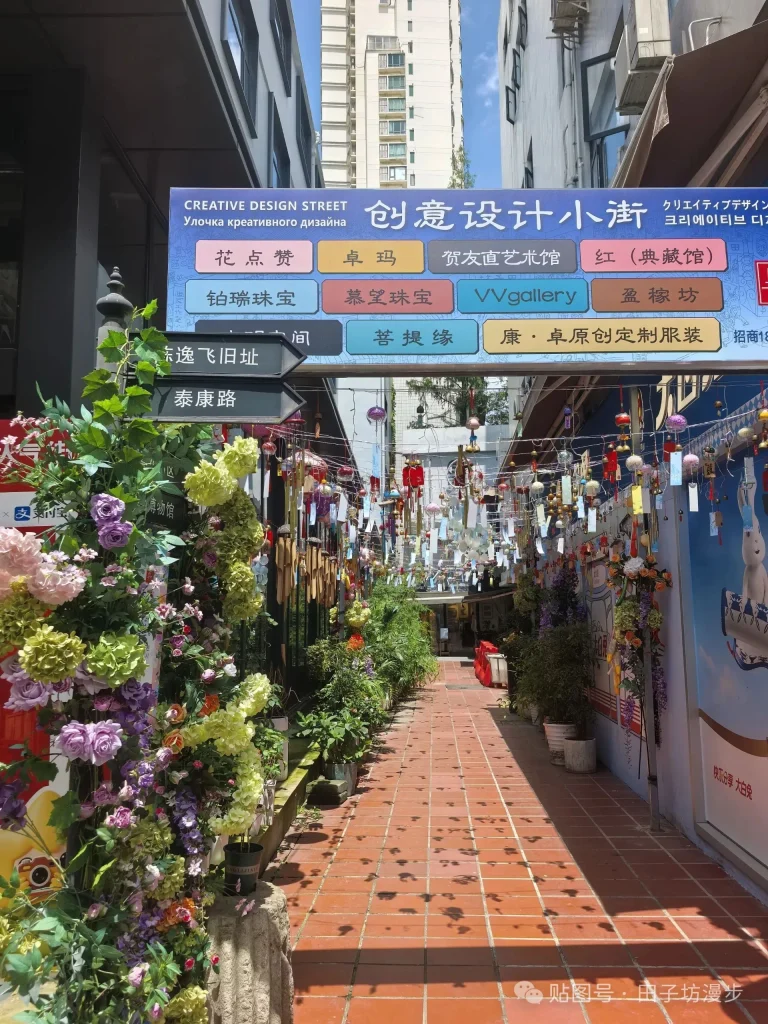
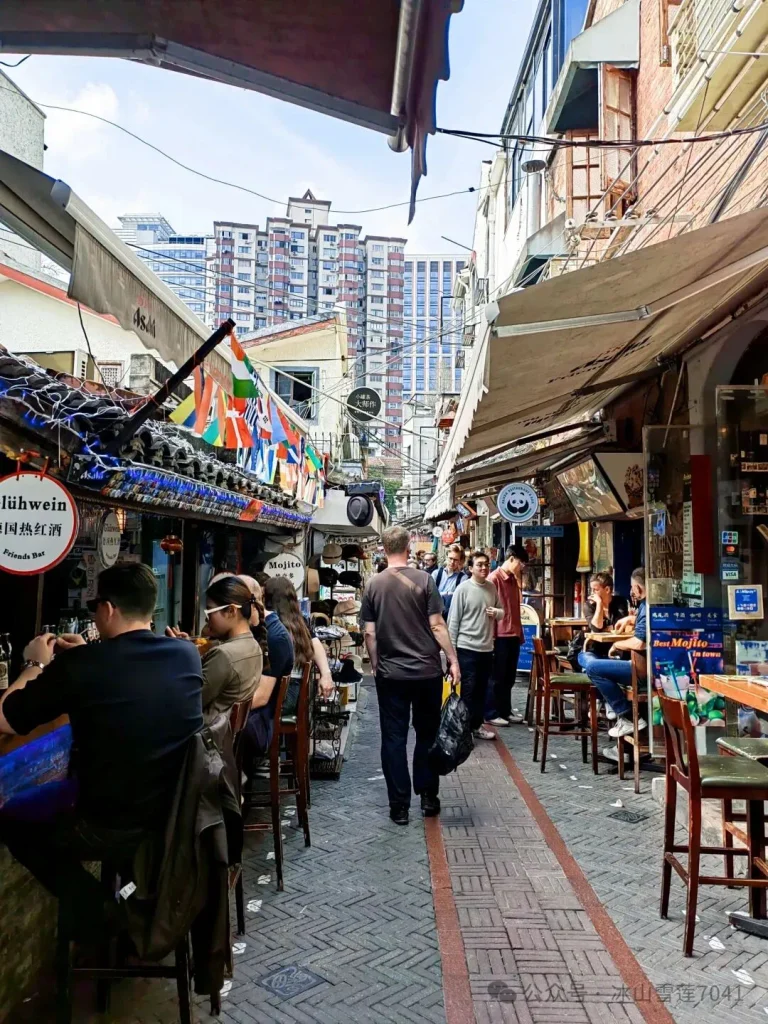
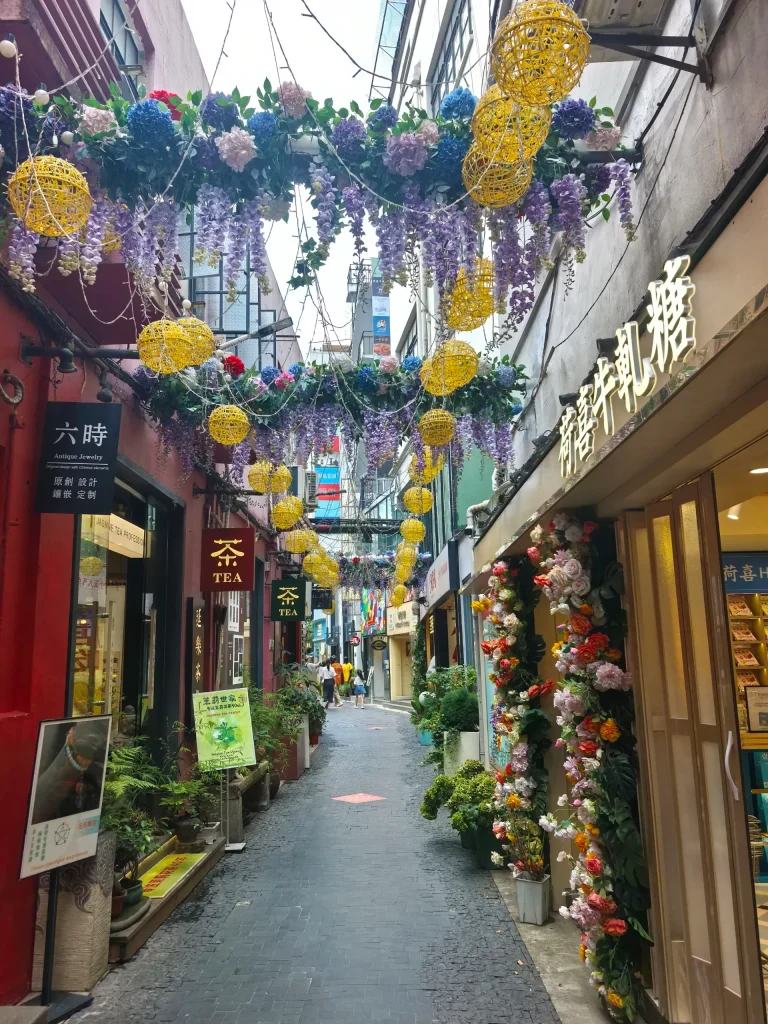
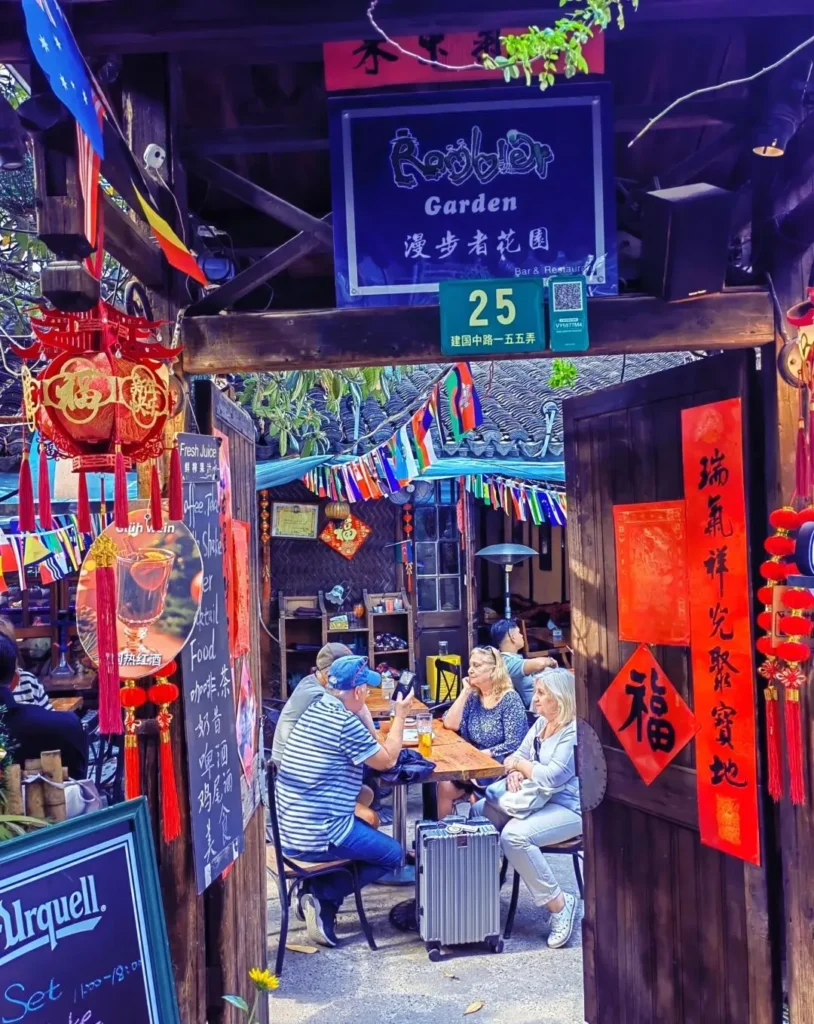
Tianzifang brings together former industrial buildings, shikumen residences, and other styles of lane housing. Artists including Chen Yifei, photographer Er Dongqiang, and Li Shoubai helped establish its creative identity. english.shanghai.gov.cn
The neighborhood is now a popular commercial destination. Expect souvenir displays, cafés, and visitors taking photographs alongside the older buildings. Its artistic history gives you something more specific to explore than simply browsing whatever catches your eye.
Look at the stone-framed entrances, brickwork, upper windows, and changing rooflines. Compare the proportions of a narrow doorway with a broader former workshop entrance.
You do not need architectural expertise to enjoy these details. Taking a moment to look upward can change the experience from a shopping corridor into a place whose buildings deserve attention.
Stay within public passages. Keep residential doorways clear, and ask before taking close portraits of residents or shopkeepers.
Look for Chen Yifei’s Former Studio—陈逸飞工作室旧址—at No. 2A, Lane 210, Taikang Road.
Chen rented this former factory workshop in 1998. Reporting published in April 2026 confirms that the restored space opened to the public free of charge, with furnishings he used, reproductions of paintings, and models associated with his public artworks.
As of September 2026, this is a worthwhile cultural stop to build into your visit. Check the entrance notice for current hours; the neighborhood’s round-the-clock access does not apply to the studio. finance.sina.com.cn
Take Metro Line 9 to Dapuqiao Station, Exit 1. Follow the street-level signs or your map toward Taikang Road and a signed Tianzifang entrance.
Allow several minutes for crossings and finding your entrance. Lu Shanghai’s published directions place its studio inside Lane 210 about five minutes from this metro exit. www.lushanghai.com
Our Shanghai transportation guide explains how to plan the journey from your hotel.
Save the Chinese address:
田子坊,黄浦区泰康路210弄
Tianzifang, Lane 210, Taikang Road, Huangpu District
Choose an accessible street-side drop-off point. A shop pin inside the lanes does not mean a vehicle can reach its door.
Check the live journey estimate before booking. For destination entry and pickup advice, see our DiDi guide for foreign visitors.
Choose your arrival around your priorities, rather than expecting one hour to work for everyone.
| Your priority | Suggested timing | The trade-off |
|---|---|---|
| Browse with more room to pause | Weekday late morning | Some businesses may open later |
| Visit studios and shops | Late morning through afternoon | Busy passages may slow you down |
| Photograph architectural details | Daylight hours | Light changes with the season and lane direction |
| Enjoy illuminated signs and a drink | Early evening | Some art spaces may already be closed |
| Visit during a weekend or holiday | Keep your schedule flexible | Crowds can make narrow lanes feel cramped |
These are planning suggestions, not measured crowd forecasts. An early arrival or weekday visit improves your flexibility but cannot guarantee quiet streets.
Check any must-visit shop separately. As of September 2026, Lu Shanghai lists hours of 10:00–18:00—a useful reminder that an evening stroll and an art-shopping visit are different plans. www.lushanghai.com
Start with a few businesses whose products interest you. There is no need to visit every shop on this list.
The locations below were checked against municipal features and merchant information available as of September 2026. Published listings do not guarantee daily opening or specific stock.
| Shop | What to look for | Location |
|---|---|---|
| Lu Shanghai / 路上海 | Shanghai-inspired illustrations, printed designs, and T-shirts | No. 101-3, Lane 210, Taikang Road |
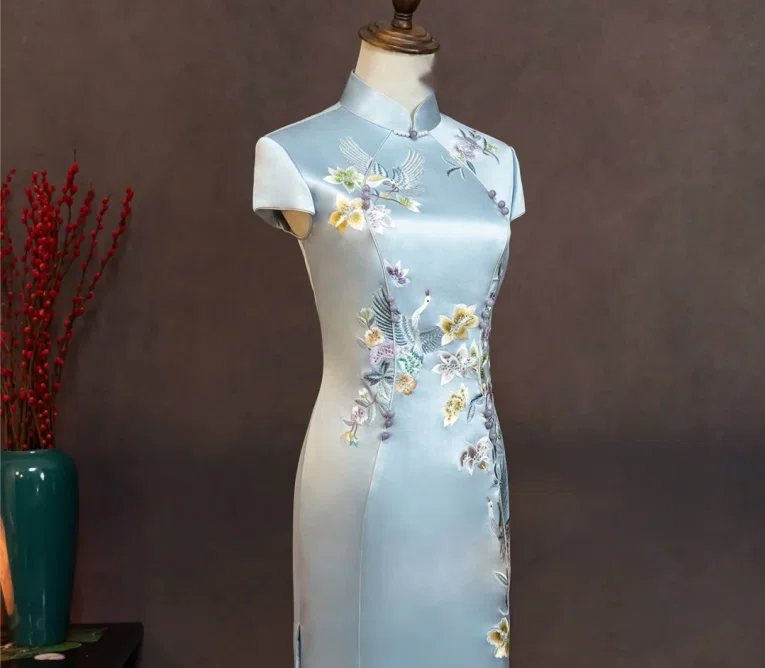
| Shoubai Art / 守白艺术 | Art-inspired gifts using Shanghai imagery, including qipao and shikumen | Search the current shop listing within Tianzifang |
| Blan Bunny / 布兰兔的植物庄园 | Tea, illustrated packaging, and decorative teaware | No. 35, Lane 155, Middle Jianguo Road |
| 3 Card Studio / 三生有信 | Postcards, paper goods, and small keepsakes | Nos. 3–6, Lane 210, Taikang Road |
| Yi Ben Hao Su / 一本好酥 | Shanghai-style pastries, including butterfly cookies | No. 45, Lane 248, Taikang Road |
Lu Shanghai publishes its studio address directly. Shanghai municipal features identify Shoubai Art’s locally inspired products and the other three shops’ specialties and addresses. www.lushanghai.com
Lu Shanghai is a useful starting point if you prefer a wearable souvenir. Look through the designs and choose an image that connects with something you noticed during your trip.
Shoubai Art offers another approach: Shanghai motifs interpreted through an artist’s work. Ask which items are original works, reproductions, or products based on the artist’s designs. That distinction matters more than a general “handmade” description.
For a smaller keepsake, browse 3 Card Studio. A postcard gives you room to record a detail you might otherwise forget: the shop you found, the drink you ordered, or why you stopped in that particular lane.
At Blan Bunny, compare the tea itself as well as the packaging. Check the ingredients, package size, and brewing instructions. If a tasting is available, use it to decide whether you actually enjoy the flavor.
At Yi Ben Hao Su, check freshness dates and how well the pastries will survive your remaining journey. For gifts, sturdy packaging may matter more than buying the largest box.
Do not plan around old promotions. Free tastings, souvenir stamps, discounts, and gifts can change.
Ask who made the item, what material it uses, and whether the quoted price includes customization.
For a hands-on activity, confirm:
Pottery may require firing or later collection. If shipping is needed, agree on the arrangements before paying.
A shop’s position deeper in the lanes does not prove better quality or a lower price. Compare the actual products.
Think of this as a flexible sequence, not a prescribed route through every passage.
Enter from Taikang Road, save your entrance location, and photograph any visitor map.
Use Lanes 210, 248, and 274 as reference points when reading addresses. Follow signed public passages and entrances; do not assume every narrow opening is a visitor route.
If you need a backup plan for maps and saved addresses, our advice on arriving in China without working internet explains what to prepare.
Visit Chen Yifei’s former studio if it is open. Then slow down around the surrounding buildings rather than immediately moving to the next shop.
This gives the visit a cultural starting point before shopping takes over.
Use the shop table to select places that fit your interests. Keep neighboring stops together where practical, but leave space for an unexpected display or conversation.
If you cannot find a business, show its Chinese name and full address to staff. Lane numbers and building numbers are often more useful than a translated shop name alone.
Finish with a drink or a snack. Check the menu, seating, and any minimum order before settling in.
If coffee is a priority, our Shanghai coffee guide can help you choose where to spend that break. Extend the visit if you are enjoying yourself; the schedule is an allowance, not a deadline.
It is convenient for a snack or a casual meal between shops. The food selection includes several cuisines, so choose a particular dish rather than assuming every storefront serves Shanghai specialties.
One specific local option is Wei Xiang Zhai at No. 220 Taikang Road, identified in Shanghai’s official shopping feature for its sesame noodles. Check the current menu instead of relying on an older published price. english.shanghai.gov.cn
Confirm portion sizes and the total price before ordering. Our Shanghai food guide provides more context if you want your meal to focus on local dishes.
Both offer an encounter with Shanghai’s shikumen heritage. Xintiandi combines renovated historic architecture with a more organized dining and retail setting. english.shanghai.gov.cn
| What matters to you? | Tianzifang | Xintiandi |
|---|---|---|
| Walking experience | Compact, branching lanes | More structured pedestrian areas |
| Main draw | Small shops, art connections, architectural details | Restaurants, retail, and a planned social stop |
| Shopping style | Browse and discover individual businesses | Seek out particular brands or venues |
| Food plans | Flexible snack or café break | A more straightforward setting for a booked meal |
| Best fit | You enjoy wandering without a strict checklist | You want a clear dining or evening destination |
Choose according to the experience you want. Neither needs to represent all of “old Shanghai.”
If you include both, check the walking route between your actual destinations. Our Shanghai citywalk routes can help you connect the stops without unnecessary backtracking.
As of September 2026, Shanghai’s official guidance says eligible overseas bank cards can be linked to Alipay or Weixin Pay. Direct card acceptance depends on the merchant and its supported payment networks. english.shanghai.gov.cn
Set up your preferred method beforehand, carry some RMB as backup, and confirm acceptance before ordering or commissioning an item.
Our WeChat Pay guide for foreign visitors covers the setup process. Check the latest official guidance and the payment screen for applicable fees and conditions.
As of September 2026, a municipal update reports upgraded all-gender public toilets at Tianzifang’s Gates 2 and 3. These are neighborhood entrance numbers, not metro exits. www.shanghai.gov.cn
Follow restroom signs or show staff:
洗手间在哪里? — Where is the restroom?
Do not assume every café has a customer toilet.
Access varies between passages and businesses. Narrow spaces, crowds, thresholds, and interior stairs can make some stops difficult.
Choose a flexible route and check any particular venue that matters to you. A street-level doorway does not establish that the entire shop or café is step-free.
Comfortable shoes also make browsing easier, especially when you repeatedly step between lanes and small interiors.
Only enter spaces clearly open to visitors or where you have permission. An open door or staircase is not an invitation to explore a residential building.
Ask before photographing inside shops, and keep windows and private interiors out of your shots. Do not rely on old social-media posts as evidence that a rooftop is currently open to the public.
Light rain can suit a short browse with an indoor break, but Tianzifang is not fully covered. In heavy rain, shorten the visit or move it to another day rather than expecting uninterrupted indoor sightseeing.
A suitcase makes the narrow passages and small shops awkward to navigate. Leaving luggage at your hotel is more comfortable; confirm any alternative storage service before depending on it.
No. Independent exploration works well for browsing and a casual visit. A guide may add value if you want architectural history or help communicating with artists, so clarify those interests before booking.
Do not assume every business negotiates. Treat posted prices in established boutiques as fixed unless the seller indicates otherwise; at a stall, you can politely ask whether there is flexibility.
Give yourself something to discover rather than a long list to finish. A studio visit, a design you connect with, and a comfortable place to pause can make a satisfying afternoon.
The small details are what you are likely to remember: an unusual doorway, a postcard chosen slowly, or a piece of art that gives the neighborhood a story.
Reviewed in September 2026 using Shanghai municipal tourism information, local reporting on Chen Yifei’s studio, merchant access details, and official payment guidance. Shop listings provide useful leads but do not guarantee daily opening, stock, or promotions. Suggested timings and the two-hour itinerary are editorial planning advice. Check current entrance notices, business listings, menus, and official guidance before a targeted visit.
TripChina.me creates practical China travel guides shaped by real local experience, helping independent travelers navigate transport, payments, food, neighborhoods, and the cultural details that make traveling in China easier and more meaningful. Find the guide for your destination at tripchina.me.