Our Location:
No. 99, Jiazi Road, Chengdu

 authorChris Lee
Most visitors to Xi'an end up at the same two places: Muslim Quarter (回民街) and Yongxing Fang (永兴坊). Both are fine. Neither is where locals go.
The real Xi'an food scene happens after dark, in residential neighborhoods and university gates, at plastic tables under string lights. These are the night markets where you'll find better food at half the price, and where the ratio of locals to tourists is roughly 10 to 1.
For more Xi’an travel planning, read our complete Xi’an city guide.
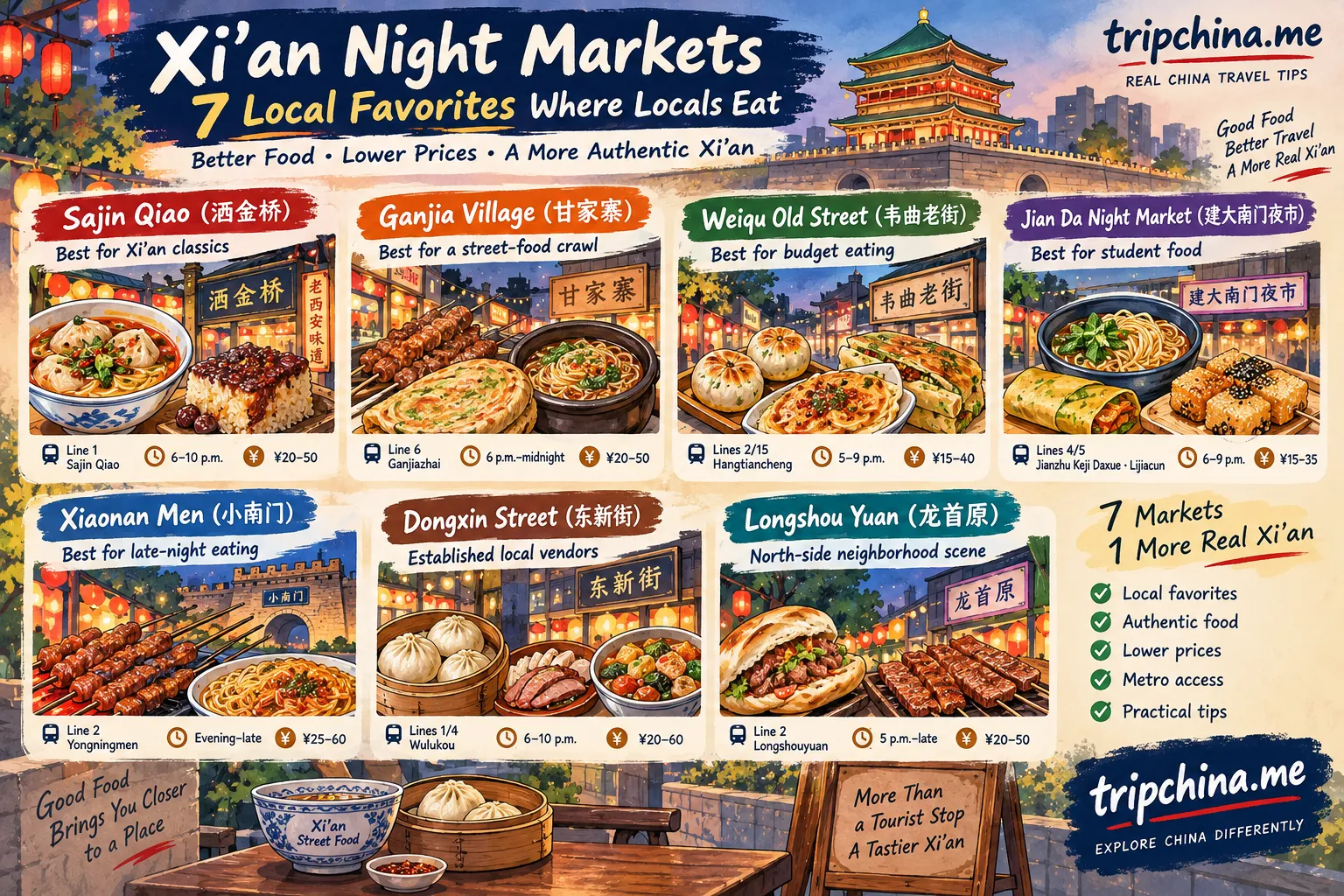
Sajin Qiao is the closest thing Xi'an has to a consensus answer when you ask locals where to eat. It's an 800-meter street in the old Muslim quarter, lined with stalls and small restaurants that have been operating for decades.
The history here runs deep. During the Tang Dynasty, this was the site of the Taiji Palace's Chengtian Gate, where Emperor Xuanzong once showered gold coins onto crowds below. Today, the gold is metaphorical, the real treasure is the food.
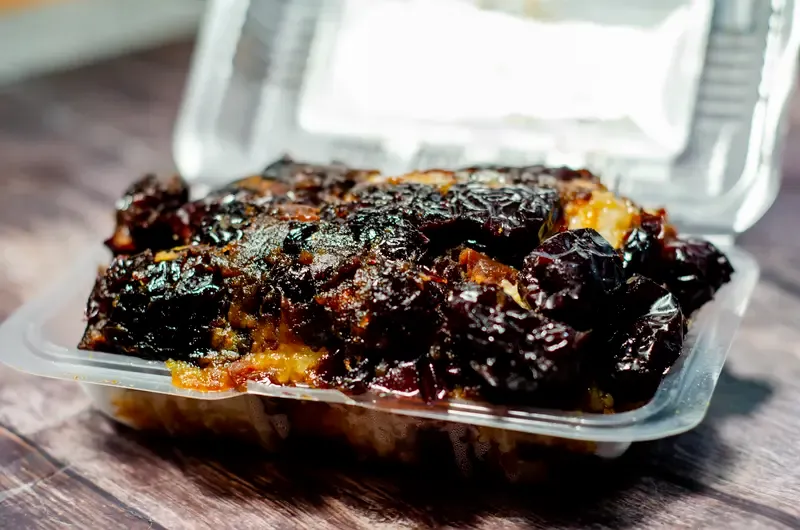
What to eat at Sajin Qiao: - Pangzi Zeng Gao (胖子甑糕): A small cart that sells out by 9am. Layers of glutinous rice, red dates, and kidney beans steamed for hours until sticky and sweet. ¥5 per portion.
Getting there: Metro Line 1, Sajin Qiao station, Exit B. Walk south about 500 meters. The street runs north-south and most shops are concentrated between Laowu Xiang and Miao Hou Jie.
Best time to go: 6pm to 10pm. Earlier if you want zeng gao (it's gone by 9am). Later if you want barbecue.
Honest take: Sajin Qiao is not a secret. Other tourists will be there. But unlike Muslim Quarter, the crowd here is still majority local. The food is authentic, the prices are fair, and the atmosphere is genuinely chaotic in the best way.
📍 Open in Amap — Sajinqiao (洒金桥)Locals call it "Ganjia International", a joke that captures how this former village has become a food destination within the high-tech zone. The stalls are arranged in neat rows with almost no duplicate vendors, which is rare for a Chinese night market.
The crowd here is a mix of university students from nearby campuses and tech workers from the surrounding office towers. It feels like a neighborhood gathering, not a tourist attraction.
What to eat at Ganjia Village: - Lei Ge Guobao Rou (雷哥锅包肉): Northeastern-style double-fried pork in sweet-sour sauce. Crispy, sticky, addictive. ¥15.
Getting there: Metro Line 6, Ganjia Village station, Exit B. The market is a 5-minute walk from the station.
Best time to go: 7pm to 11pm. The stalls are fully set up by 7:30pm.
Local truth: The "international" nickname came from the variety of cuisines available, you'll find Xinjiang lamb skewers next to Sichuan malatang next to Shaanxi cold noodles. It's a microcosm of China's food geography.
📍 Open in Amap — Gan Jia Zhai (甘家寨)Weiqu Old Street is the most affordable night market in Xi'an. It's also one of the oldest, the street has been a market for generations, and the current vendors include families who've been here for 40 years.
The street runs about 600 meters north-south, with a short east-west extension at the south end. It's narrow, crowded, and feels like stepping into a different era of Chinese urban life.
What to eat at Weiqu Old Street: - Kaotiao Pi (烤苕皮): Grilled sweet potato starch sheets folded around pickled vegetables and chili. ¥8. The classic version is best.
Getting there: Metro Line 2, Hangtian Cheng station, Exit A. Walk east about 300 meters.
Best time to go: 5pm to 9pm. The market runs from morning to night, but the food stalls peak in the early evening.
Trade-off: Weiqu is farther from the city center than other options, about 30 minutes by metro from the Bell Tower. The food is worth the trip, but if you're short on time, prioritize Sajin Qiao or Ganjia Village.
📍 Open in Amap — Wei Qu Old Street (韦曲老街)Xi'an University of Architecture and Technology's south gate has been feeding students for decades. The market runs about 500 meters along Jianshe East Road, with stalls that open around 5pm and stay busy until midnight.
The prices here are student-friendly, most dishes cost ¥8–15, and ¥20 is enough for a full meal plus a drink. The quality is surprisingly high, because students are picky eaters who won't return to a bad stall.
What to eat at Jian Da: - Sandpot Rice Noodles (砂锅米线): The same dish you'll find elsewhere, but executed with precision. ¥10.
Getting there: Metro Line 5, Lijiacun station, Exit C. Or Metro Line 4, Xi'an University of Science and Technology station, Exit C. The market is a 5-minute walk from either.
Best time to go: 6pm to 9pm. The stalls are busiest between 7pm and 8pm when students flood out of evening classes.
📍 Open in Amap — Jian Da South Gate (建大南门)Xiaonan Men, officially named Wumu Men (勿幕门), is unique because it operates two completely different markets in the same location. The morning market (6am to 9am) is one of Xi'an's best breakfast destinations. The night market (6pm to midnight) shifts to barbecue, shellfish, and beer.
The night market crowd skews younger, it's a popular spot for groups of friends to drink and eat. The atmosphere is louder and more social than other night markets.
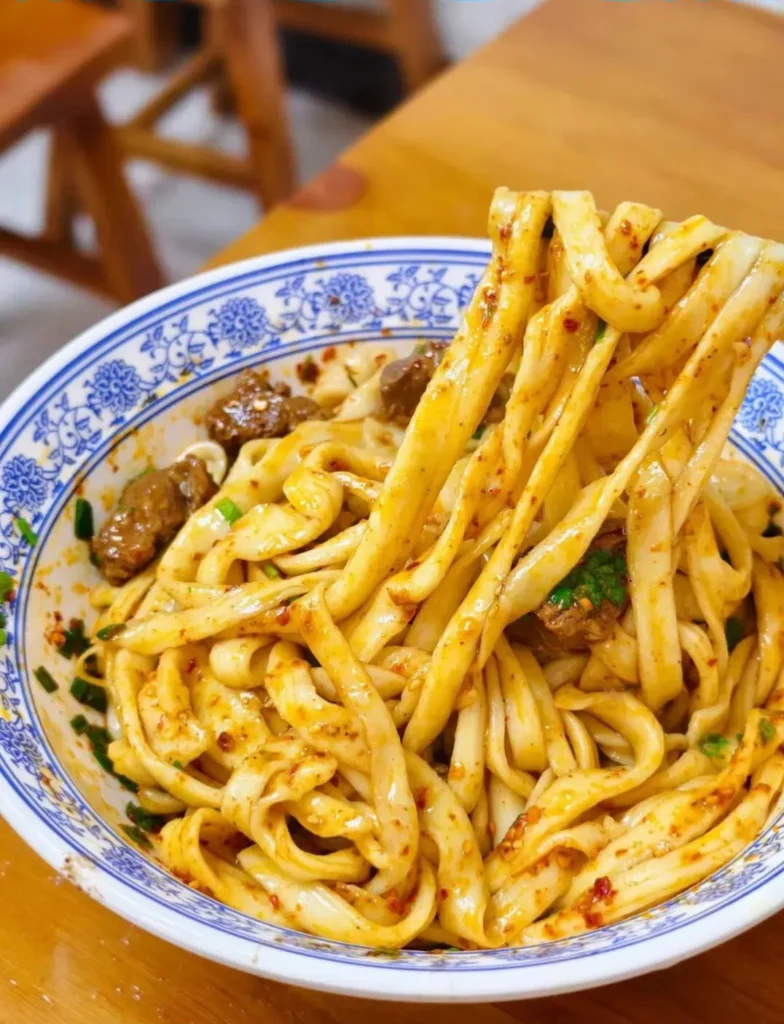
What to eat at Xiaonan Men: - Yueliang Chaofang (月亮炒面坊): Legendary fried noodle stall with a cult following. ¥12.
Getting there: Metro Line 2, Yongning Men station, Exit A2. Walk west along the city wall for about 10 minutes.
Best time to go: 6pm for dinner. 10pm for the full drinking-and-eating experience.
Local truth: Xiaonan Men's morning market is actually more famous among locals than its night market. If you can wake up early, come at 7am for the city's best zeng gao, youtiao, and hulatang.
📍 Open in Amap — Xiao Nan Men (小南门)Dongxin Street Night Market has been operating for over 30 years. In 2024, the city moved the stalls from the street into indoor shops, which improved hygiene but reduced the chaotic charm that made it famous.
The food is still solid. The "Three Musketeers", Zheng Jia Baozi (steamed buns), Wang Jia Tongzi Ji (bucket chicken), and Lao Chen Jia Hui Cai (braised vegetables), have been feeding Xi'an residents for decades.
What to eat at Dongxin Street: - Zheng Jia Baozi (郑家包子): Beef-stuffed steamed buns with a fluffy exterior and juicy filling. ¥1.5 each.
Getting there: Metro Line 1 or Line 4, Wulukou station, Exit D. The market is a 5-minute walk northeast.
Best time to go: 6pm to 10pm.
Trade-off: The indoor format means less atmosphere. If you want the classic street stall experience, choose Sajin Qiao or Ganjia Village instead.
📍 Open in Amap — Dong Xin Street (东新街)Xi'an's north side doesn't have as many famous food streets as the south, but Longshou Yuan makes up for it with quality. The market is clean, well-organized, and popular with families.
The two legendary items here are Lao Jiao Xun Rou Da Bing (老焦熏肉大饼) and Haicheng Xian Bing (海城馅饼), both worth the trip on their own.
What to eat at Longshou Yuan: - Lao Jiao Xun Rou Da Bing (老焦熏肉大饼): Thin pancake wrapped around smoky shredded pork with scallion and sweet bean sauce. ¥12.
Getting there: Metro Line 2, Longshou Yuan station, Exit D. The market is a 3-minute walk from the station.
Best time to go: 7pm to 11pm. The market starts filling up around 7:30pm.
📍 Open in Amap — Long Shou Yuan (龙首原)If you only have one night in Xi'an → Sajin Qiao. It has the most variety, the best concentration of famous stalls, and the most authentic atmosphere.
If you're on a tight budget → Weiqu Old Street. Most dishes cost under ¥10, and the quality is surprisingly high for the price.
If you want the "street food crawl" experience → Ganjia Village. The organized layout and lack of duplicate vendors make it easy to eat your way through the entire market.
If you're eating late (after 10pm) → Xiaonan Men. It stays open later than most other markets, and the barbecue scene is excellent.
If you're staying on the north side → Longshou Yuan. It's the best option north of the city wall, and the smoked meat pancake is worth a trip on its own.
If you want to eat where students eat → Jian Da Night Market. The prices are low, the energy is high, and the food is honest.
If you prefer indoor dining → Dongxin Street. The 2024 renovation means cleaner conditions, but you lose the street stall atmosphere.
Sajin Qiao. It's metro-accessible, has the widest variety of food, and offers the most authentic night market experience. Start at the south end and work your way north.
Most operate from 5pm to midnight. Xiaonan Men and Longshou Yuan often stay open until 1am or later on weekends. Individual stalls may close earlier if they sell out.
It's worth a walk-through for the atmosphere, but the food is overpriced and aimed at tourists. The same dishes cost 30–50% less at Sajin Qiao or Ganjia Village, and the quality is better.
Weiqu Old Street. Most dishes cost ¥5–15, and ¥50 is enough for two people to eat well. It's farther from the city center, but the metro connection is straightforward.
Sajin Qiao has the widest range of Shaanxi-specific dishes. Ganjia Village has the best variety of regional Chinese cuisines, you can eat your way across China in one evening.
All seven night markets in this guide are within walking distance of a metro station. Xi'an metro runs from 6am to approximately 11:30pm. For late-night eating, budget for a taxi or ride-hail service. Navigate the city easily with our Xi’an metro guide for foreign travelers.
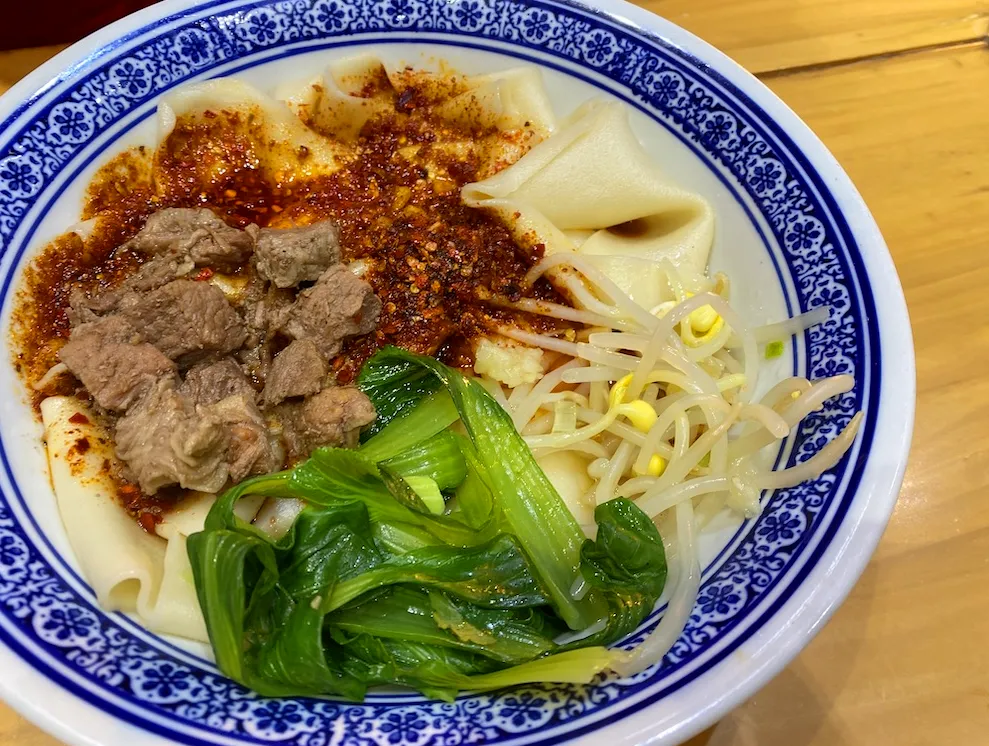
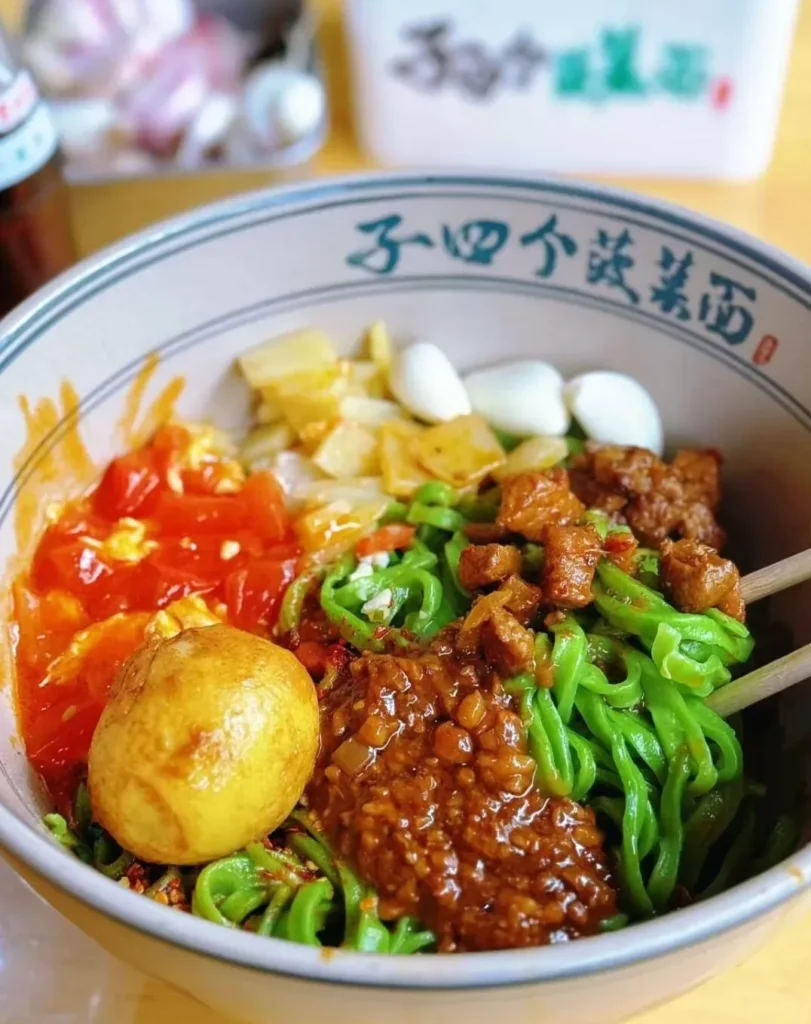
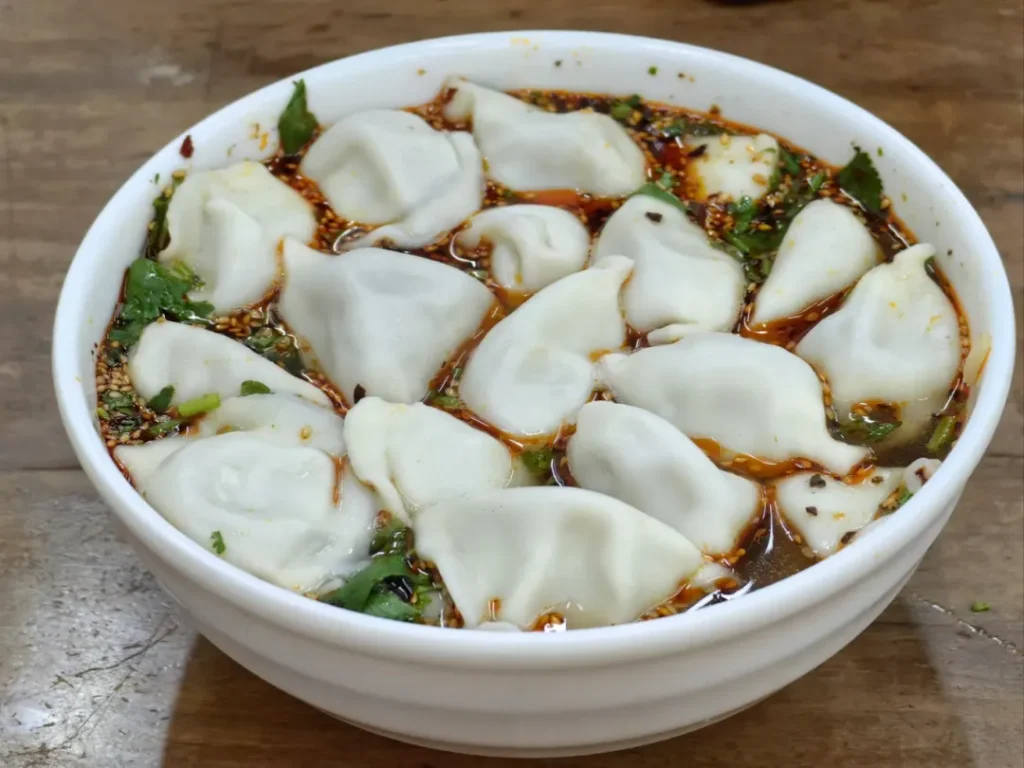
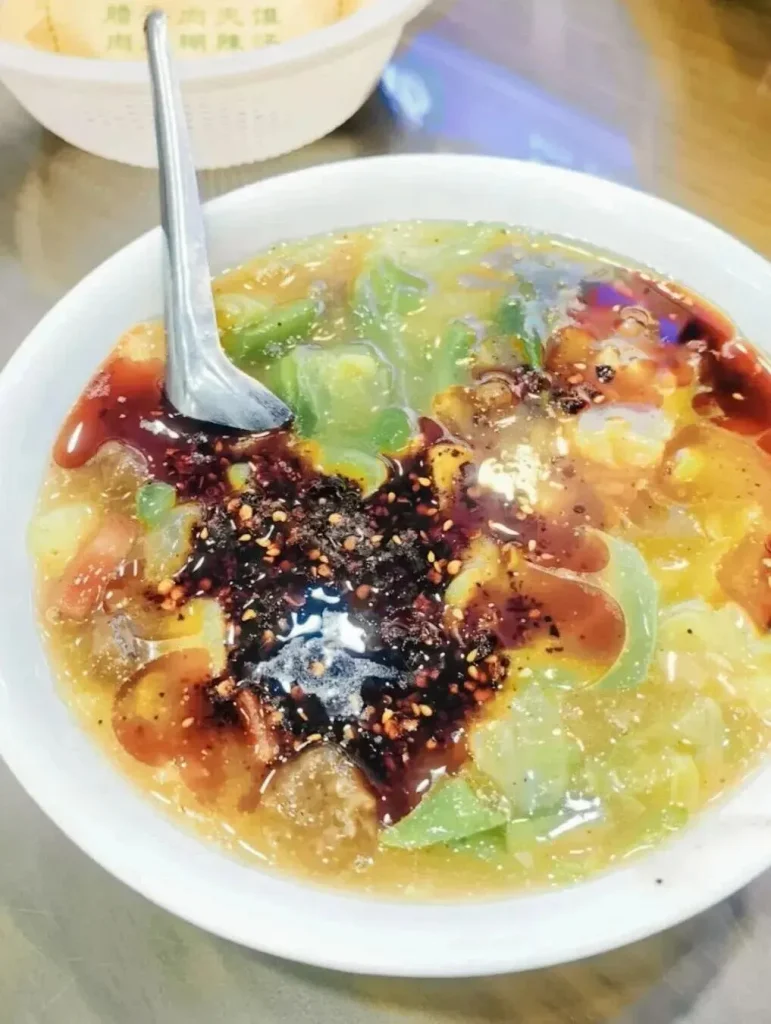
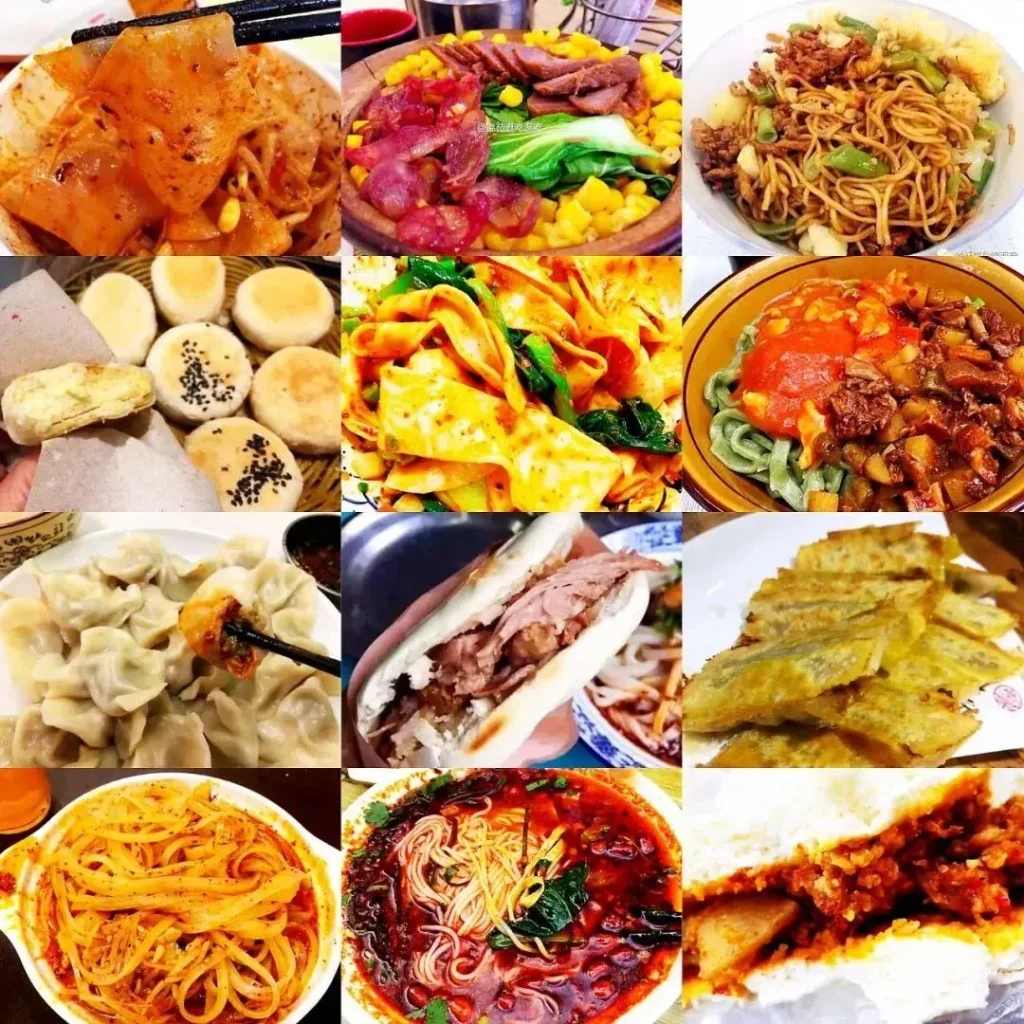
Start with the local specialties: lamb paomo (bread stew), zeng gao (sweet rice cake), roujiamo (meat sandwich), liangpi (cold noodles), and yangrou chuan (lamb skewers). Then explore the regional stalls, Xi'an's night markets draw vendors from across China. Explore more regional flavors in our Shaanxi food guide.
Yes. Xi'an is a safe city, and the night markets are well-lit and busy. Standard precautions apply: watch your belongings in crowds, and avoid stalls that look unsanitary. Most vendors accept WeChat Pay and Alipay; carry some cash as backup.
Xi'an's night market scene is one of China's best, and the key to enjoying it is simple: go where locals go. Skip the tourist strips, take the metro to one of these seven markets, and eat what the people around you are eating. The food will be better, the prices will be lower, and you'll leave with a real taste of Xi'an, not the version sold to tourists.
State Council of the People’s Republic of China — Payment Service Guide for Overseas Visitors
Shaanxi Public Culture Cloud — Xi’an Night Market and Dongxin Street Coverage
Huashang Finance / Sanqin Metropolis Daily — Longshouyuan Night Economy Report
Xi’an Beilin District Media Center — Xiaonan Men Morning Market
Updated September 2026. This guide combines field observations from Xi’an with current local-media reporting, government visitor guidance, and metro/map checks. Vendor prices are field snapshots rather than guaranteed current prices. Dongxin Street’s post-2024 indoor format and Longshouyuan’s continued 2026 night-market activity were rechecked against recent local reports. Metro exits and last-train times should always be confirmed on the current map before travel.
TripChina.me creates practical China travel guides shaped by real local experience, helping independent travelers navigate transport, payments, food, neighborhoods, and the cultural details that make traveling in China easier and more meaningful. Find the guide for your destination at tripchina.me.