Our Location:
No. 99, Jiazi Road, Chengdu

 authorChris Lee
Shanghai is at its most exciting when it feels fast. Zhujiajiao Water Town is where you go when you want it to slow down.
About an hour from central Shanghai, this old water town replaces towers and traffic with canals, stone bridges, narrow lanes and hand-rowed boats. Better still, you do not need a tour, a high-speed train or an expensive ticket.
In this guide, you will find metro directions, ticket pricing, boat options, food picks and common mistakes for your independent visit to Zhujiajiao Water Town.
Yes—especially if you want to see a traditional Jiangnan water town without giving up an entire travel day.
| What You Need to Know | Quick Answer |
|---|---|
| Best for | Easy independent water-town trip |
| Getting there | Metro Line 17 |
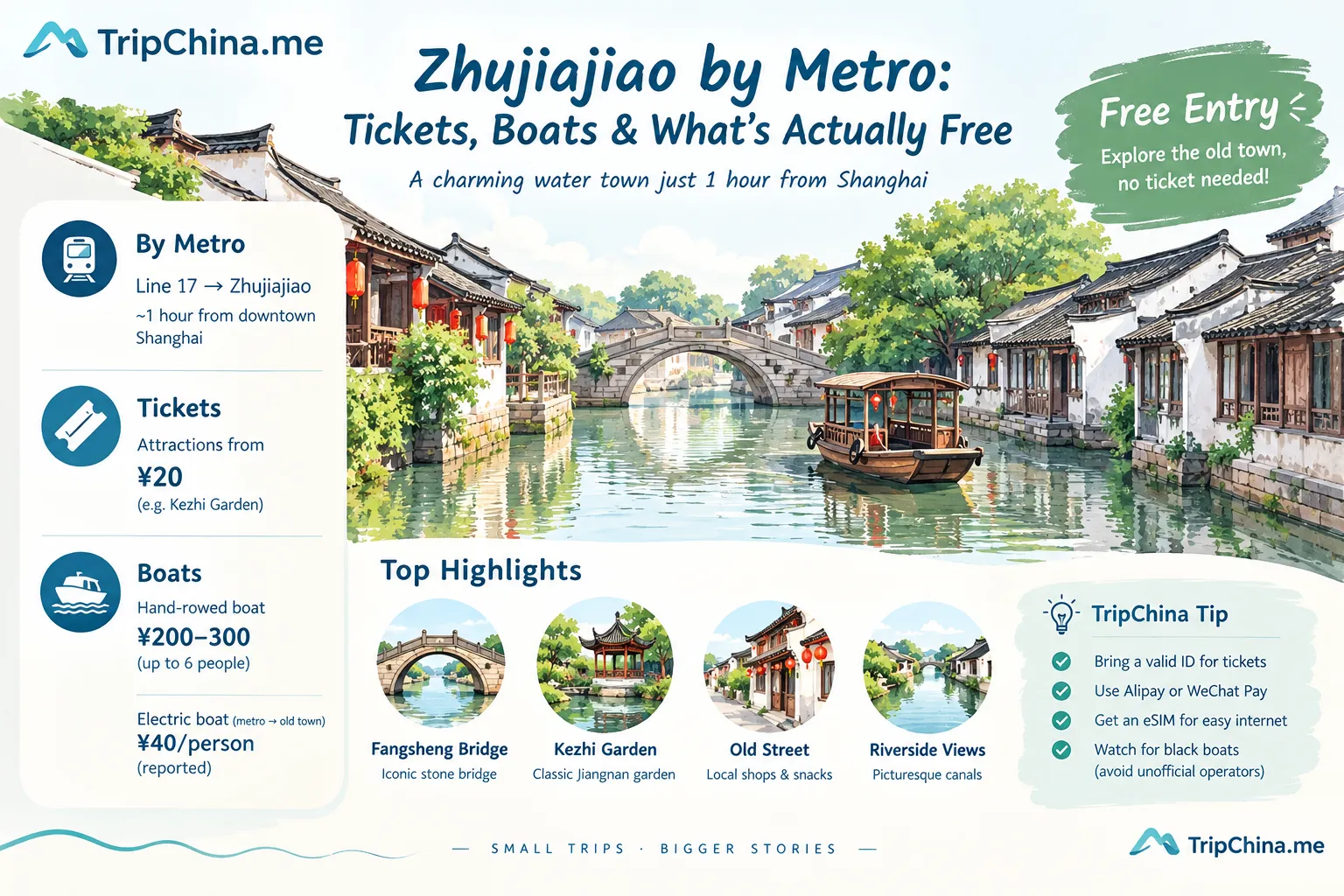
| Ancient town entry | Free |
| Time needed | 3–5 hr; 6–8 hr full day |
| Attraction combo | ¥60 / 3 attractions |
| Kezhi Garden | ¥20 |
| Hand-rowed boat | ¥200–300 / boat, up to 6 |
| Electric boat | ¥40 / person |
| Paid sights / boats | Generally 08:30–17:00* |
| Best strategy | Weekday morning or late afternoon |
Bottom line: Free entry, about 1 hour by Metro Line 17, 3–5 hours needed, and ¥200–300 per hand-rowed boat for up to six people.
*Opening and boat schedules can change. Check the current official timetable before travel.
Information update: Prices, opening hours and boat information in this guide were rechecked in September 2026. Time-sensitive services can change, especially during holidays or severe weather, so confirm current notices before traveling.
TripChina Tip: If this is your first China trip, do not overcomplicate Zhujiajiao. Fangsheng Bridge, North Street, a few quiet side lanes, local food and one boat ride already make a very good half-day.
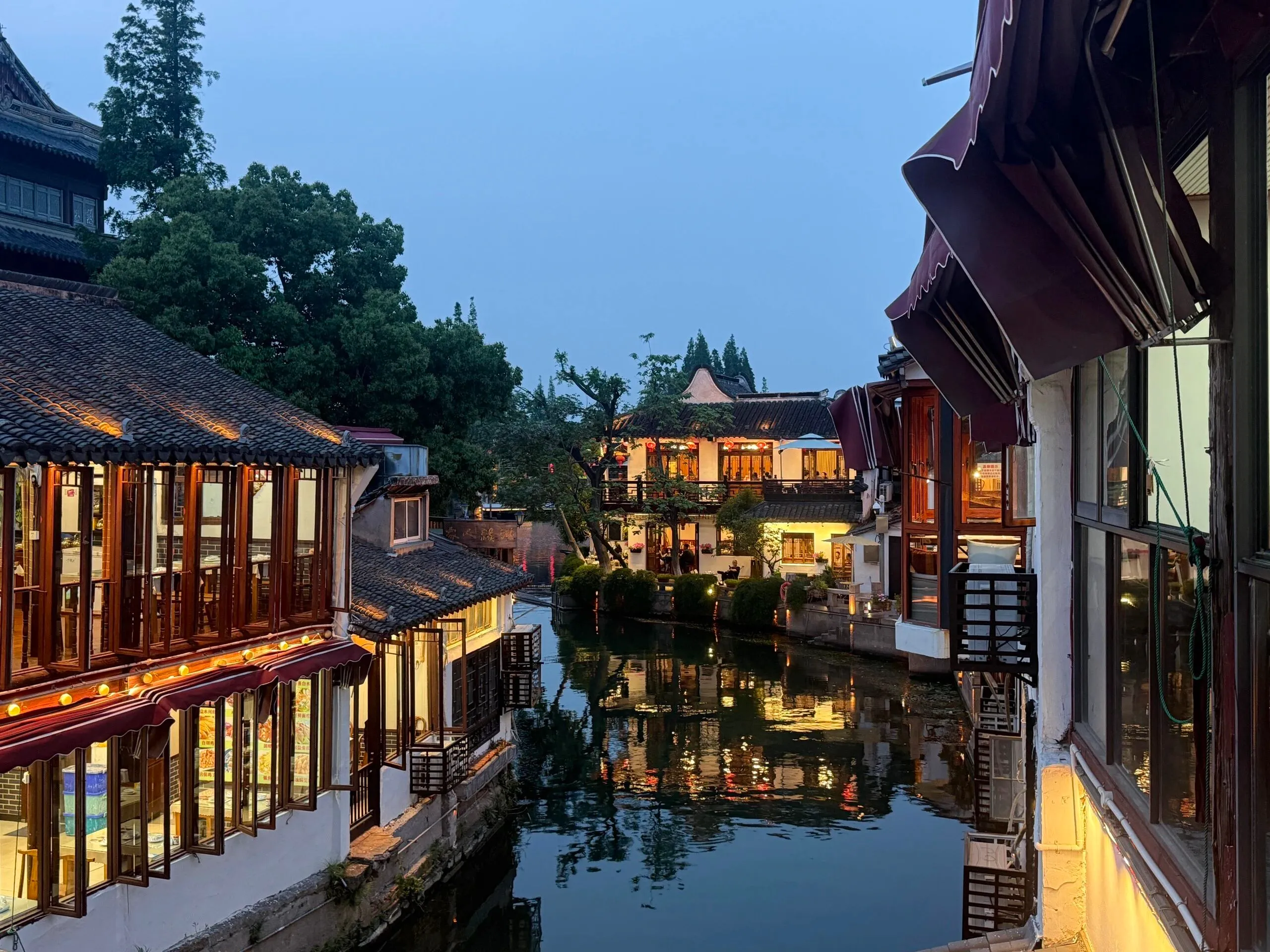
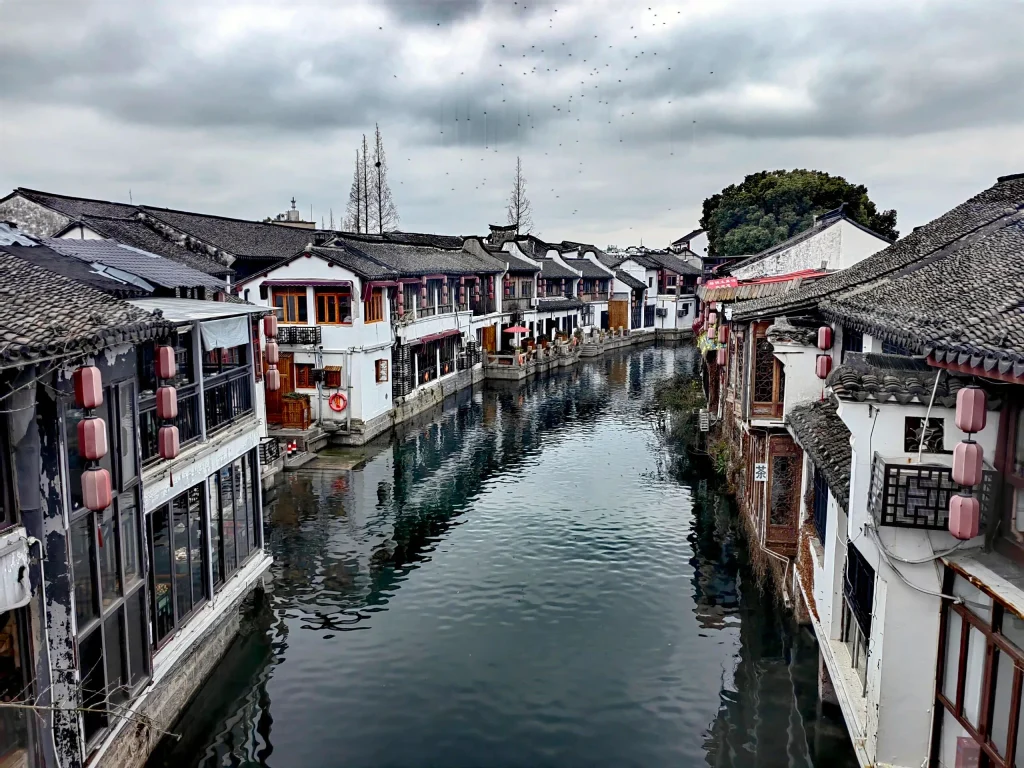
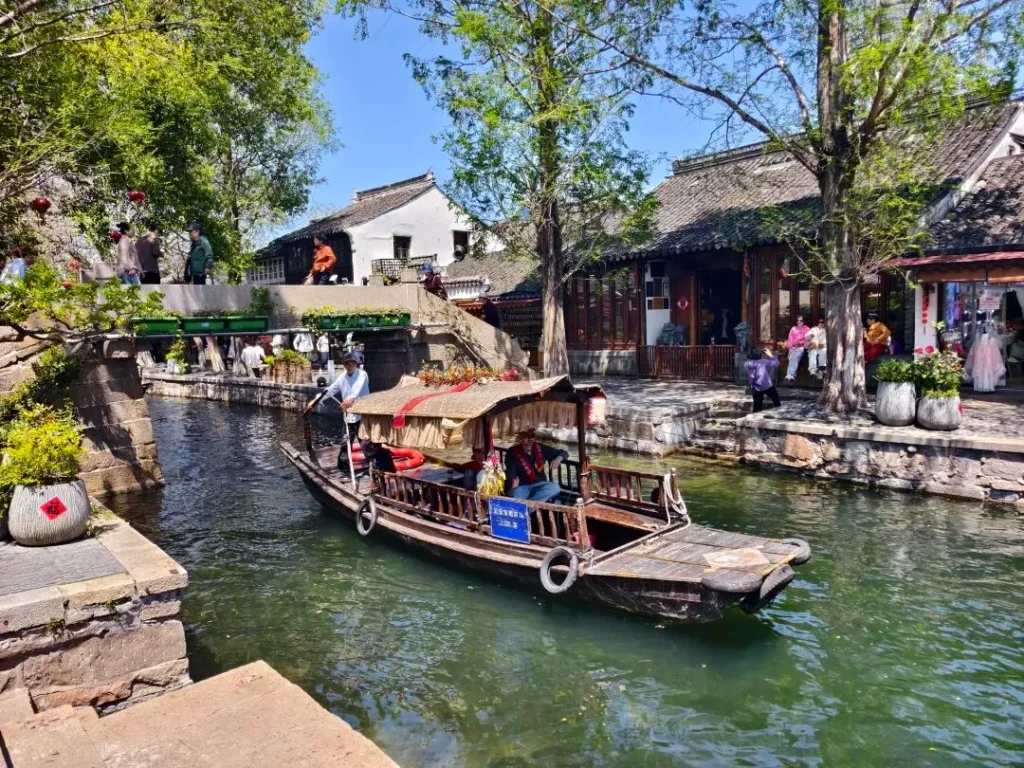
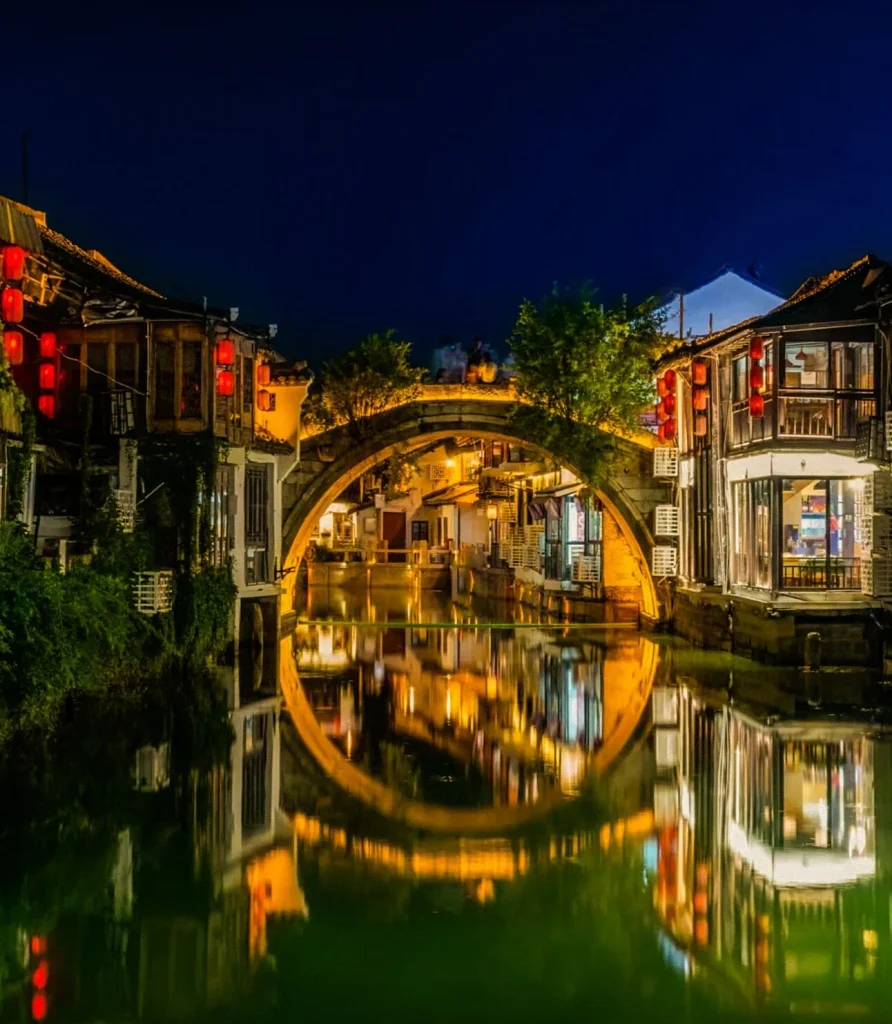
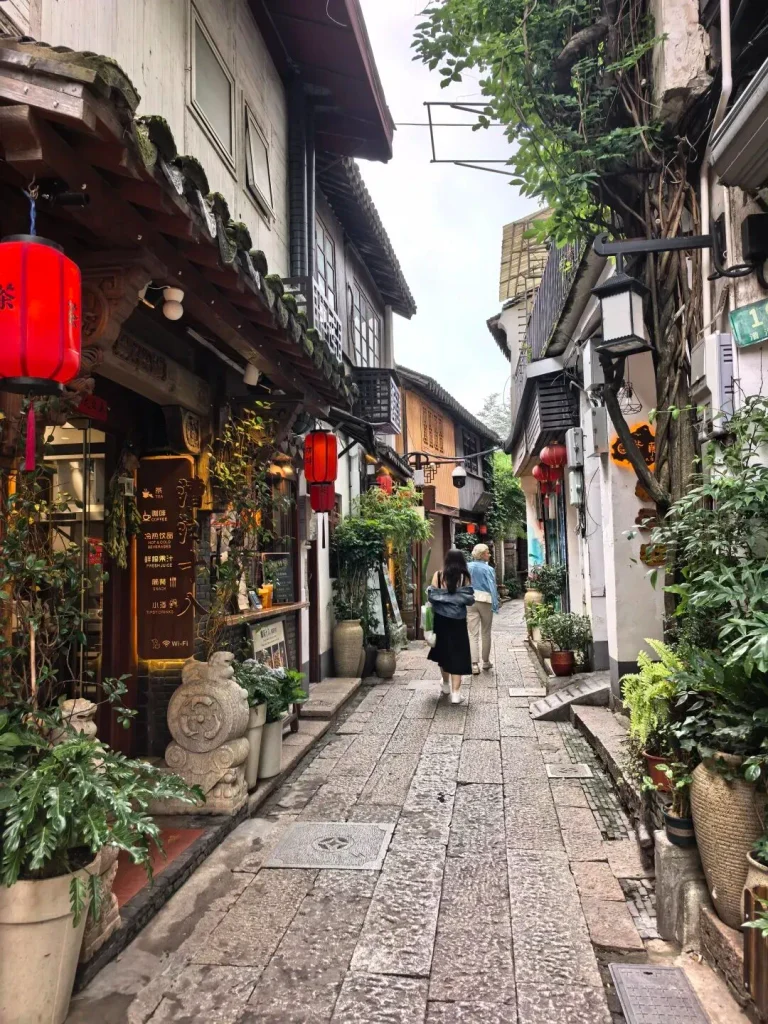
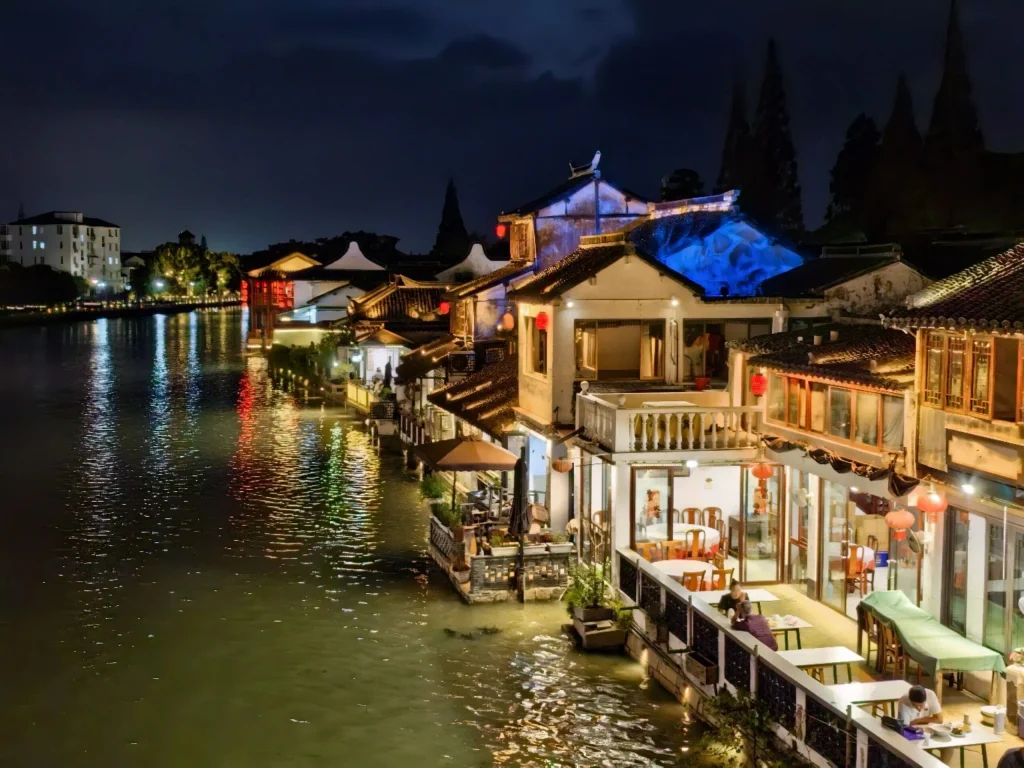
Zhujiajiao gives you something central Shanghai cannot: a compact glimpse of the traditional Jiangnan water-town landscape without a complicated journey.
The old town developed around waterways and trade. Today, nine historic streets follow the canals, old houses stand directly beside the water, and 36 stone bridges survive across the town.
North Street preserves one of the town's strongest concentrations of Ming- and Qing-era streetscape, while Fangsheng Bridge, Kezhi Garden and the former Qing postal site give the visit more historical depth than a simple canal walk.
The important distinction is that Zhujiajiao is not just one enclosed attraction.
You can walk into the historic town without buying a general admission ticket, then decide whether individual gardens, museums or a boat ride are worth paying for.
That makes it particularly good for independent travelers.
You can come for three hours and spend very little—or stay most of the day, add gardens and a boat, eat beside the canal and wait for the town to change after the day-trip crowds begin leaving.
If Zhujiajiao is only one part of your stay, TripChina's complete Shanghai travel guide can help you decide how many days to give the city and what is actually worth fitting around this day trip.
For most independent travelers, the metro is the easiest option.
Take Shanghai Metro Line 17 to Zhujiajiao Station.
Line 17 connects through the Hongqiao transport area, so the journey is particularly straightforward if you are staying in western Shanghai or near Hongqiao Railway Station.
From central Shanghai, allow roughly an hour or more depending on your starting station and transfers.
Do not plan around an old assumption that foreign cards cannot be used on Shanghai Metro. Shanghai's metro payment system is now considerably more visitor-friendly than many older online guides suggest.
International visitors can use several options, including mobile-payment solutions and single-journey tickets. Supported foreign contactless bank cards can also be used directly at Shanghai Metro gates.
For current fares, foreign-card payment and other practical details, see TripChina's Shanghai transport guide for international travelers.
Do not expect to step out of the station directly onto an ancient canal.
Zhujiajiao Station is outside the historic core.
Walking is perfectly reasonable if the weather is comfortable. The walk to the Fangsheng Bridge area is roughly 1.6 km.
There is also a more memorable option.
The electric sightseeing boat from the Line 17 area to the ancient town costs ¥40 per person one way. It takes roughly 20 minutes and reaches the Fangsheng Bridge area.
The published operating timetable differs between current official visitor pages, so check the latest schedule at the dock rather than planning around an exact departure time.
If you are visiting Zhujiajiao specifically for the water-town experience, arriving by boat can be a fun way to make the transition from modern Shanghai to the old town.
But it is optional—not something you need to pay for.
TripChina Tip: Save “朱家角古镇” and “朱家角地铁站” on your map app before leaving central Shanghai. If your phone is not yet ready for China, TripChina's 7 essential China travel apps for foreign visitors covers navigation, payments, ride-hailing and translation.
Yes.
Entry to Zhujiajiao Ancient Town itself is free.
You do not need to buy a general ancient-town admission ticket simply to walk the old streets, cross Fangsheng Bridge, explore North Street or wander beside the canals.
This is one of the biggest reasons Zhujiajiao works well as a flexible Shanghai day trip.
The paid attractions are optional.
The current official ¥60 combo ticket covers three paid attractions:
| Attraction | Individual Price | Why Go? |
|---|---|---|
| Kezhi Garden | ¥20 | Historic private garden and architecture |
| Hexin Garden | ¥30 | Garden, collection and quieter sightseeing |
| Shanghai Helong Art Museum | ¥20 | Art-focused indoor stop |
| Three-attraction combo | ¥60 | Best if you genuinely want all three |
Paid attractions are generally open 08:30–17:00 as of September 2026.
If you reserve the combo ticket online, current official instructions require the reservation information to be exchanged for a physical ticket. The scenic area recommends collecting it before 15:00.
If you mainly want canals, bridges, food and old streets, you do not need the combo ticket.
That is the key money-saving decision.
You could collect a long list of minor sights, but that is not the best way to experience a water town.
The appeal of Zhujiajiao is the space between the attractions: boats passing beneath bridges, old houses facing the water, narrow alleys disappearing behind the commercial streets, and the change in atmosphere once you leave the busiest sections.
Still, four places deserve priority.
Fangsheng Bridge (放生桥) is the visual anchor of Zhujiajiao.
Dating to the Ming Dynasty, the five-arch stone bridge crosses the Caogang River and measures about 70.8 meters long. It is regarded as the largest and longest five-arch stone bridge of its kind in Shanghai.
Walk over it—but also step away from it.
Some of the better views come from the riverbank, where you can see the complete arches with boats moving underneath.
Early morning is better if photography is your priority. Late afternoon gives the canal softer light but usually brings more people around the bridge.
After rain, watch your footing. Old stone steps can become slippery.
Alt Text: Fangsheng five-arch stone bridge in Zhujiajiao Water Town Shanghai
Yes, but do not stop there.
North Street, or Beidajie (北大街), is one of Zhujiajiao's signature old streets. The historic section runs for more than 300 meters and contains some of the town's best-preserved traditional commercial architecture.
It is also one of the busiest parts of Zhujiajiao.
Walk it once for the atmosphere, food stalls and old storefronts. Then turn away from the main flow.
This is the part many rushed day tours miss.
Smaller lanes and waterside streets around the historic core can become noticeably quieter only a few minutes from North Street. You may find old residential façades, tiny bridges, local shops and stretches of canal without the dense souvenir-shop feeling of the main route.
Treat those lanes as neighborhoods rather than a photo set. Some historic-looking buildings remain private homes.
Alt Text: Quiet side lane away from busy North Street in Zhujiajiao Ancient Town
For travelers who enjoy Chinese gardens or architecture, yes.
Kezhi Garden (课植园) began construction in 1912 and took roughly 15 years to complete. The large private estate combines halls, pavilions, ponds, rockeries, bridges, garden spaces and architectural details that reflect both traditional Chinese and Western influences.
Its name carries the idea of studying while not forgetting cultivation and farming.
The garden is also useful for another reason: it changes the rhythm of your visit.
After the narrow commercial streets around the canals, the larger garden gives you somewhere to slow down.
Allow roughly 45–60 minutes if you like architecture and gardens. If you do not, save the ¥20 and spend that time walking the canals instead.
Alt Text: Kezhi Garden traditional Chinese private garden in Zhujiajiao
It is worth a short stop if you enjoy small historical sites.
Postal operations associated with the site date to 1903, and the current building became the Zhujiajiao postal branch during the final years of the Qing Dynasty.
Do not expect a huge museum.
Think of it as a compact piece of China's transition into a modern postal system rather than one of the day's headline attractions.
For a first visit, usually yes.
Walking shows you the streets. The boat shows you why the town was built this way.
From water level, the bridges become larger, the houses feel closer and the relationship between canals and streets makes much more sense.
Source: Zhujiajiao Ancient Town Official Website. Current official information lists the following fares and routes; confirm operations at the dock before boarding.
| Boat Option | Price | Capacity | Approx. Ride Time |
|---|---|---|---|
| Standard route | ¥200 / boat | Up to 6 | ~15 min |
| Longer route | ¥300 / boat | Up to 6 | ~20 min |
| Return to dock | +¥100 | Up to 6 | Varies |
| Metro electric boat | ¥40 / person | Per person | ~20 min |
The ¥40 electric-boat fare is listed by the official Zhujiajiao scenic-area website and was independently reported by Shanghai Morning Post in March 2026.
The hand-rowed boats operate from official docks including Kezhi Garden, North Street and City God Temple.
One practical detail matters for solo travelers: the official hand-rowed boat fare is per boat, not per passenger.
If other travelers are willing to share, splitting a ¥200 boat among several people can make the ride inexpensive. Do not assume strangers will always be available to form a shared group.
Important: Avoid unlicensed private boat operators outside the official docks. Informal operators may quote unclear or inflated prices. Always confirm the total price, route and whether the fare is per boat or per person before boarding.
Official hand-rowed boat ticketing is currently listed as 08:30–17:00. An old tip you may still see online—“wait until after 18:30 for an official hand-rowed night boat”—should therefore not be treated as reliable current advice.
Alt Text: Traditional hand-rowed boat on Zhujiajiao canal in a Jiangnan water town
Come hungry enough to snack.
Zhujiajiao food is not about one destination restaurant. Much of the fun is seeing what appears along the streets and choosing a few local Jiangnan foods as you walk.
| Food | What It Is | Why Try It |
|---|---|---|
| Pork zongzi | Sticky rice with pork | Classic local snack |
| Zha rou (扎肉) | Braised pork | Rich local comfort food |
| You dunzi (油墩子, yóu dūn zi) | Fried radish snack | Best eaten hot |
| Smoked green beans | Dry savory beans | Easy to carry |
| Traditional cakes | Jiangnan pastries | Good with tea |
| Fermented foods / pickles | Local preserved foods | Traditional flavors |
My rule here is simple: do not feel you have to buy the first zongzi you see beside the busiest entrance.
Walk first.
North Street gives you the greatest concentration of choices, but quieter lanes can be more enjoyable for sitting down or trying something without a crowd pressing behind you.
For rough budgeting, individual street snacks often cost around ¥5–30, while a sit-down meal can easily run ¥80–150 per person depending on the restaurant and what you order.
Canal-side tables trade value for atmosphere. Side-street restaurants are often better if food matters more than the view.
Alipay and WeChat Pay are useful, but carry a backup.
Foreign visitors can link supported overseas bank cards to major Chinese mobile-payment platforms, while cash remains useful when a small merchant's QR setup or your phone fails.
Do not assume every tiny snack stall will take your physical Visa or Mastercard directly.
Before the trip, TripChina's China payment guide for foreign travelers explains how Alipay, WeChat Pay, international cards and RMB cash work together without requiring a Chinese bank account.
For most first-time visitors, I would choose a late-morning or afternoon route rather than trying to “complete” every paid attraction.
A practical sequence is:
Zhujiajiao Station → Old Town → Fangsheng Bridge → North Street → quieter side lanes → local snack stop → Kezhi Garden if interested → hand-rowed boat → more canal walking
Allow about 3–5 hours.
If photography matters more than museums, spend less time inside paid attractions and more time along the water.
If gardens and history matter more, arrive early enough to visit Kezhi Garden before the paid attractions close.
If you have 6–8 hours, slow the trip down instead of adding dozens of minor attractions.
Morning: Arrive before the busiest period → Fangsheng Bridge → North Street → quieter side lanes.
Late morning: Visit Kezhi Garden and one other paid attraction if it interests you.
Lunch: Choose a local restaurant away from the busiest entrance, or build lunch from several Jiangnan snacks.
Afternoon: Visit the Qing-era postal site → take an official hand-rowed boat → wander the canal streets without a fixed checklist.
Late afternoon / early evening: Return to Fangsheng Bridge and the riverside as the light softens, then head back toward Line 17 when you are ready.
A full day is worthwhile if you enjoy slow photography, architecture, gardens and food. If your Shanghai itinerary is already packed, the 3–5 hour version is enough.
Both work, but they create different trips.
| Time | Best For | Trade-Off |
|---|---|---|
| Early morning | Quiet streets, photos, paid sights | Early departure |
| Late morning–midday | Most services open | Usually busiest |
| Late afternoon | Softer light, fewer groups later | Less time for paid sights |
| After dark | Canal atmosphere | Paid sights / daytime boats closed |
If this were my first visit and I cared mainly about atmosphere, I would arrive in the afternoon early enough to take a boat before the official daytime service ends, then stay into the evening.
That gives you two versions of the town in one visit: the working daytime water town and the quieter canal streets after many day-trippers have left.
A lot.
Zhujiajiao's biggest advantage—easy metro access from Shanghai—also makes it extremely easy for everyone else to visit.
Weekends can be busy. Major Chinese public holidays can be much busier.
If your dates are flexible, choose a weekday.
If they are not, arrive earlier. Expect congestion around Fangsheng Bridge, North Street and the main boat docks.
National Day and Labor Day deserve particular caution. Crowds can affect not just Zhujiajiao but Shanghai's metro, restaurants and other attractions.
If this is your first independent trip in China, TripChina's China travel basics guide covers payments, internet, transport, hotels and other practical preparation before you arrive.
The first is buying more tickets than you need.
Free entry to the town is enough for a satisfying visit. Buy the ¥60 combo only if the three paid attractions genuinely interest you.
The second is staying only on North Street.
It is important, but it is also the commercial core. A few turns into the smaller streets can change the experience completely.
The third is arriving too late for the things you actually want to do.
The old-town atmosphere continues into the evening, but paid attractions and official sightseeing boats operate on daytime schedules. If Kezhi Garden and a boat are priorities, do those first.
The fourth is treating every old building as a tourist attraction.
Zhujiajiao remains a real town. Respect closed doors, private homes and residential lanes.
The fifth is depending entirely on one payment or connectivity method.
A working phone makes maps, metro routing and mobile payments much easier. If you are still deciding how to stay connected, TripChina's China eSIM vs. SIM guide for foreign travelers explains the differences between international travel eSIMs, mainland SIMs and roaming.
Keep it simple:
Zhujiajiao is not automatically the “best” Jiangnan water town.
Its real advantage is the ratio of experience to effort.
| Water Town | From Shanghai | Character | Best For |
|---|---|---|---|
| Zhujiajiao | ~1–1.5 hr | Easy, lively | Half-day trips |
| Zhouzhuang | ~1.5–2+ hr | Classic scenery | Dedicated day trip |
| Tongli | ~1.5–2+ hr | Gardens, slower | More time |
| Wuzhen | ~2+ hr | Large, polished | Full day / overnight |
The simple decision: choose Zhujiajiao if you want the easiest water-town addition to a Shanghai itinerary. Choose one of the farther towns if the water town itself is meant to be a major destination rather than a half-day escape.
Yes, if you have at least six hours of usable layover time. Line 17 directly connects the Hongqiao transport area with Zhujiajiao. Allow plenty of buffer for the return journey, onward check-in, security and airport or station transfers.
Prioritize Kezhi Garden, the postal site, cafés and restaurants; skip boats if weather affects operations. Light rain can suit the Jiangnan atmosphere, but old stone paving and bridge steps become slippery.
Only partly. Broader visitor areas are manageable, but old stone streets, narrow lanes, bridges and steps make parts of the historic core difficult. If step-free access is essential, allow extra time and ask staff for an accessible route.
Yes, you can visit independently without speaking Chinese, but English is not guaranteed at small shops and stalls. Save the Chinese names of Zhujiajiao (朱家角), Fangsheng Bridge (放生桥), Kezhi Garden (课植园) and your metro station on your phone.
Translation and navigation apps from TripChina's essential China travel apps guide make this much easier.
Zhujiajiao is about 48 km from central Shanghai according to the official scenic-area information. In practical terms, allow roughly an hour or more by metro depending on where you start and how many transfers you need.
No—most independent travelers can visit Zhujiajiao without a guide. A guide adds more value if you specifically want architectural, commercial or Jiangnan cultural history rather than help with navigation.
Yes—if you want contrast.
The Bund, Pudong and Nanjing Road show you the Shanghai most visitors expect. Zhujiajiao gives you a completely different visual language: stone bridges instead of skyscrapers, narrow canals instead of multilane roads, and old waterside houses instead of glass towers.
And you do not need to turn it into an expedition.
Take Line 17, walk the old streets for free, cross Fangsheng Bridge, leave North Street long enough to find the quieter lanes, eat something local and take a boat if the canals are what brought you here.
Three to five hours is enough to understand why Zhujiajiao works so well as a Shanghai escape.
The goal is not to see every attraction.
It is to give Shanghai one afternoon to slow down.
Planning the rest of your stay? Use TripChina's Shanghai guide for independent travelers to choose neighborhoods, attractions, transport and other experiences without turning every day into a checklist.
Zhujiajiao Ancient Town Official Website — official tickets, attraction hours, hand-rowed boat fares, electric-boat fare and visitor information.
Shanghai Qingpu District Government — official historical, cultural and tourism information for Zhujiajiao and Qingpu.
Shanghai Metro Official Website — Shanghai Metro network and current operating information.
Shanghai Morning Post — March 2026 on-site reporting on the ¥40 electric boat between Zhujiajiao Metro Station and the ancient town.
This guide was last reviewed in September 2026 using Zhujiajiao's official scenic-area information, Qingpu District Government, Shanghai Metro and Shanghai Morning Post reporting. Particular attention was given to free town access, paid attractions, boat fares, Metro Line 17 access and foreign-visitor logistics. Current official pages show differing departure times for the metro-to-town electric boat, so travelers should confirm the latest schedule before travel. Prices and services may also change during holidays or severe weather.