Our Location:
No. 99, Jiazi Road, Chengdu

 authorChris Lee
A bowl of tea is a good reason to visit Pengzhen. The old lanes, riverside pauses and a proper Sichuan lunch are reasons to stay. In Chengdu’s Shuangliu District, Pengzhen Old Street pairs the century-old Guanyin Pavilion teahouse with everyday shops, newer cafés and places to eat. This guide covers a relaxed half-day route, how to get there, what to order and what to check before leaving—without promising an empty town or a perfectly preserved past.
Yes—if you enjoy tea culture, old buildings and unhurried neighborhood walks. Allow a half day from central Chengdu, rather than squeezing it between major attractions.
| Planning question | Quick answer |
|---|---|
| What is the main draw? | Guanyin Pavilion Old Teahouse, old lanes, the Yangliu River and Sichuan food. |
| How long should you allow? | Plan 3–4 hours locally for tea, a walk and lunch, plus travel. This is a suggested visit length, not a fixed tour duration. |
| When should you go? | Aim for a morning visit; roughly 8–10 a.m. is a practical arrival target, not an official opening window. |
| What should you budget for tea? | Published reporting records CNY 10 per visitor. As of September 2026, confirm the current charge and inclusions before ordering. |
| Who might prefer somewhere else? | Travelers with little time, or those wanting polished facilities and a full schedule of attractions. |
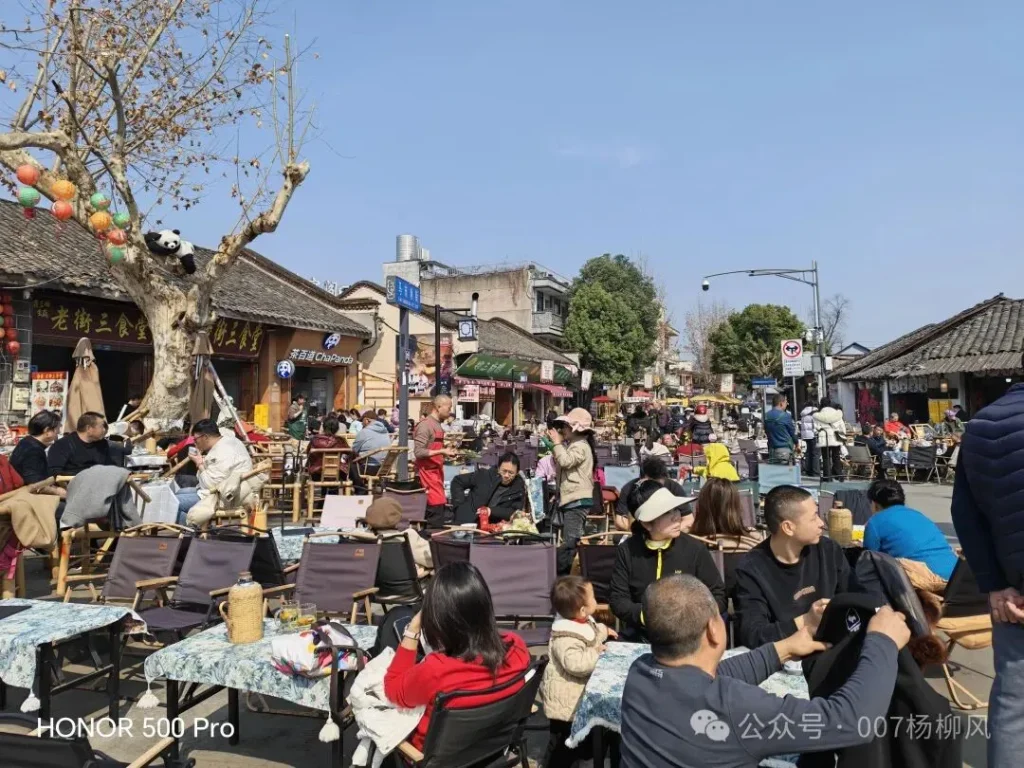
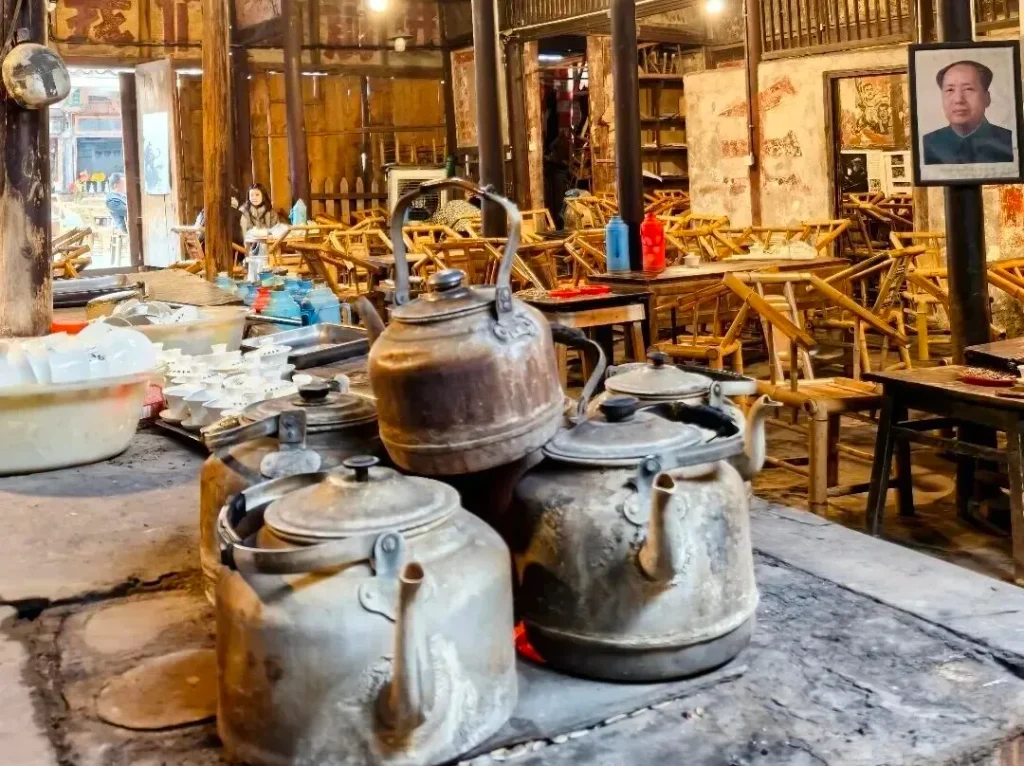
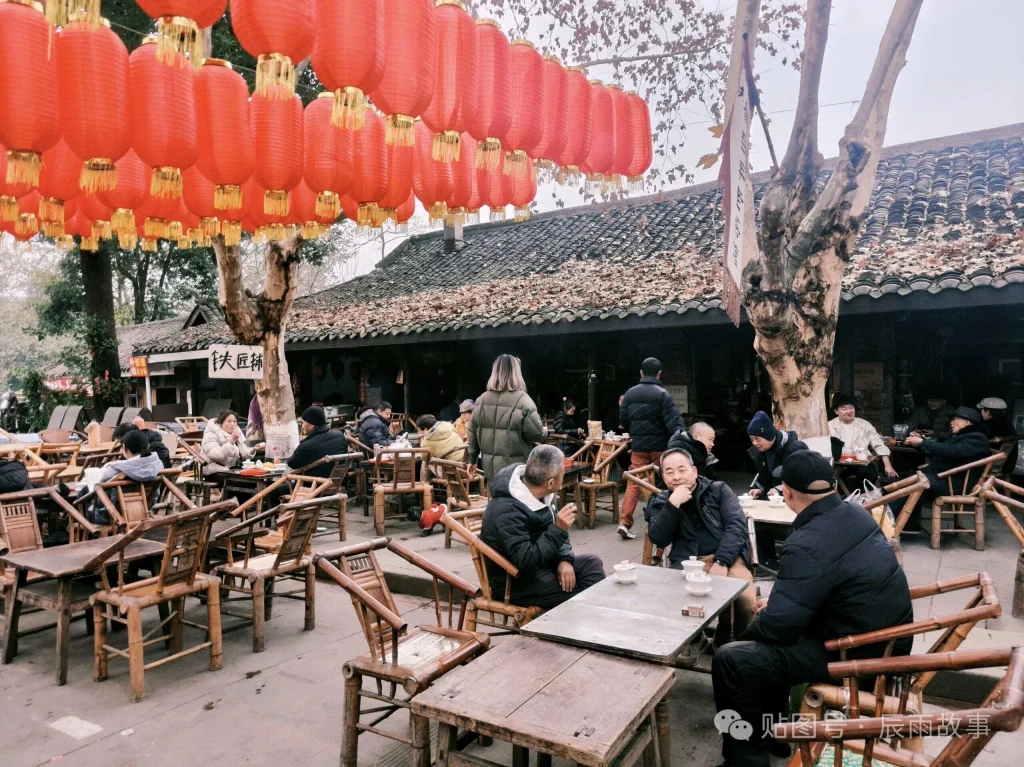
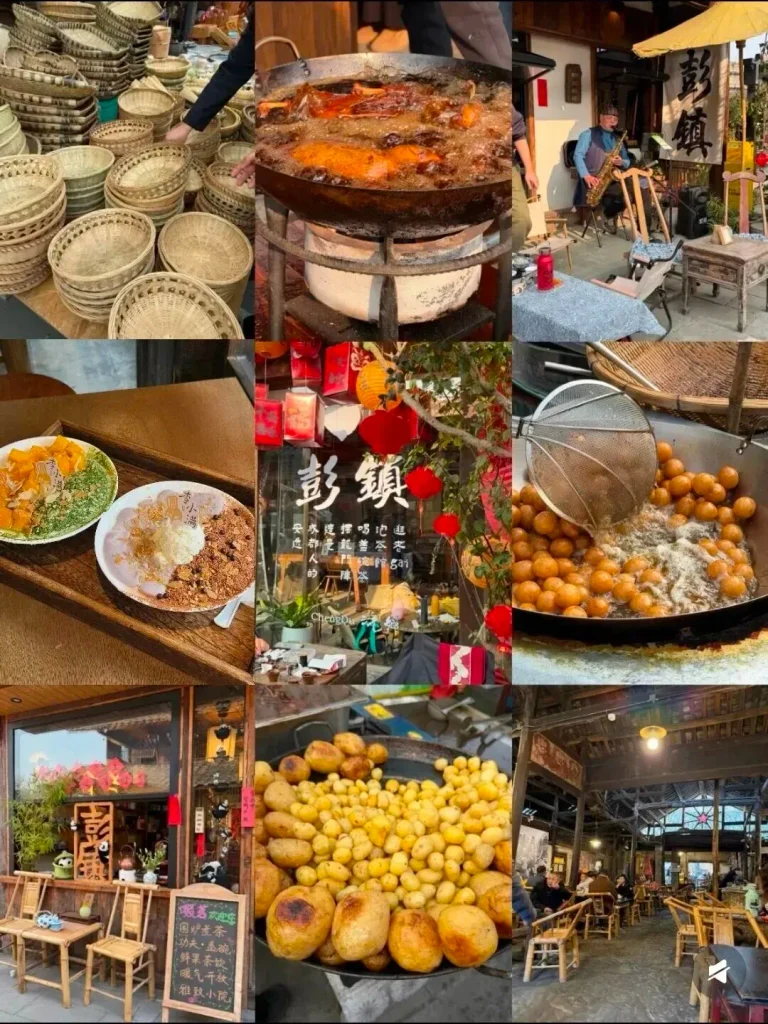
Pengzhen is in Chengdu’s Shuangliu District, outside the central sightseeing area. Make the teahouse your destination rather than searching only for the town name. Pengzhen is not Pengzhou, the separate city north of Chengdu.
Save these names before leaving:
| English | Chinese search text | When to use it |
|---|---|---|
| Pengzhen Old Street | 彭镇老街 | Exploring the surrounding neighborhood |
| Pengzhen Guanyin Pavilion Old Teahouse | 彭镇观音阁老茶馆 | Your main navigation or taxi destination |
| Shuangliu District | 双流区 | Checking that you have selected the correct listing |
The teahouse also appears in English as Guanyinge, Guanyin Hall and Guanyin Pavilion. Match the Chinese name and district, rather than relying on one English spelling.
For map setup before departure, see our guide to navigation apps for foreign travelers in China. Screenshot the destination and your hotel address in case your connection drops.
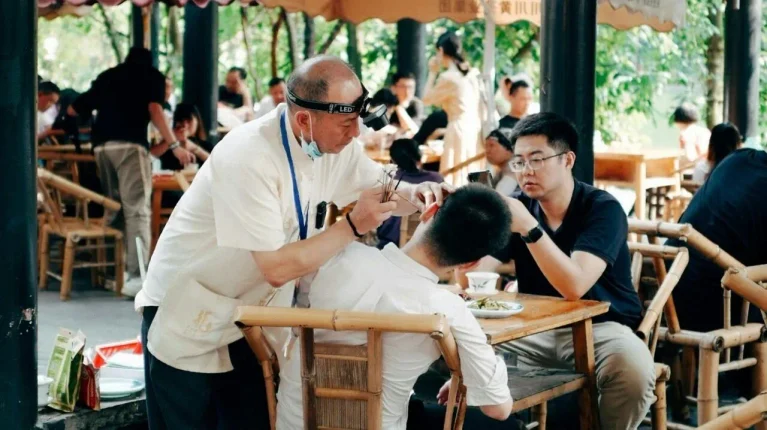
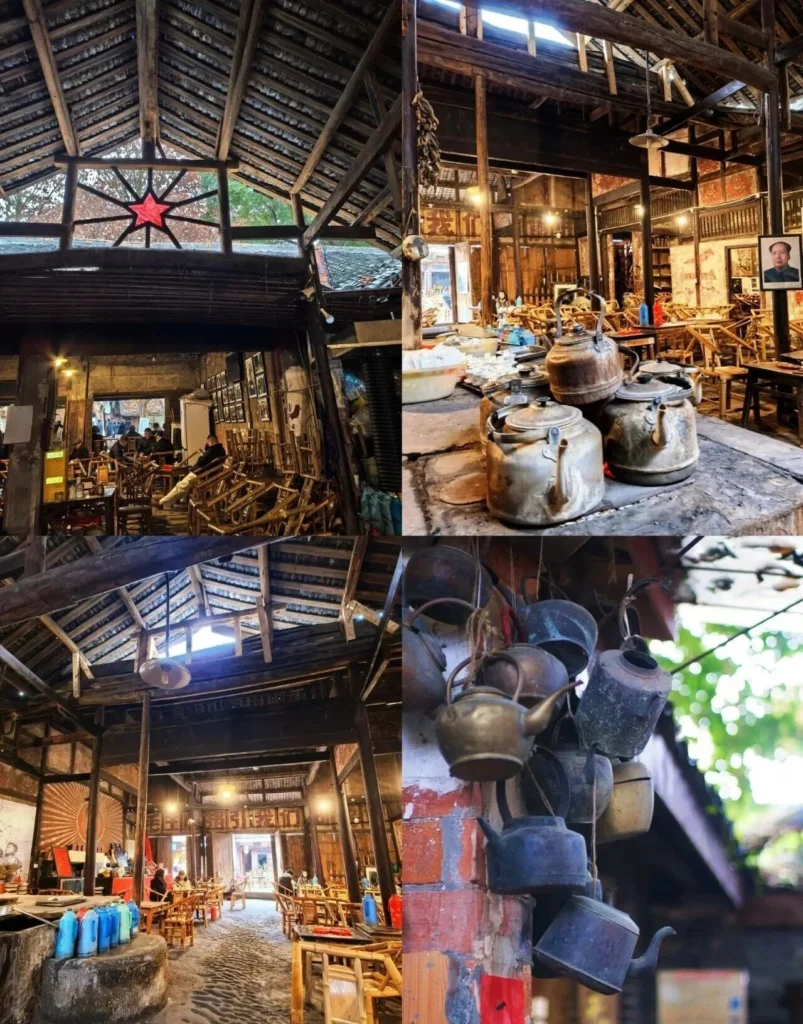
Guanyin Pavilion offers something different from a formal tea tasting: a place to spend time. Look at how the room works—the shared tables, the water being replenished, the space people leave for one another—rather than searching only for the most dramatic photograph.
The building is old, but it has also been cared for. According to China Daily, a conservation project ran from November 2021 to April 2023, addressing structural problems while retaining historic materials and techniques. In 2024, the project received an Award of Merit in the UNESCO Asia-Pacific Awards for Cultural Heritage Conservation. That is a conservation award, not UNESCO World Heritage inscription. Chinadaily.com.cn
There is a human story behind that care. In a 2025 first-person account published by Hangzhou Daily, proprietor Li Qiang recalled taking over in 1995 and using income from other work to support the struggling teahouse. His account describes a place sustained by relationships as much as tea sales. mdaily.hangzhou.com.cn
Pengzhen is also well known to photographers. Expect other visitors; the experience does not depend on finding an untouched village. Our article on Chengdu’s teahouse culture explains why these social spaces matter beyond their appearance.
For most first-time visitors, a direct ride is the simplest choice. Enter 彭镇观音阁老茶馆 and verify 双流区 before booking.
As a conservative planning allowance, leave about an hour each way from central Chengdu, then replace that estimate with your app’s live journey time. Your starting neighborhood and traffic can change it substantially; a fixed citywide taxi fare would be misleading.
Ask to be dropped near the accessible entrance to the old street and walk the final section if necessary. For the return, choose a road where cars can stop and send the driver a nearby shop name or photo if the map pin is unclear.
Set up the app in advance using our DiDi guide for travelers without a Chinese number.
Yes. Longqiao Road station, 龙桥路, on Line 3 is one possible transfer point for an onward taxi or DiDi. Compare the complete journey from your hotel: a cheaper rail segment may not save much time once transfers and the final ride are included.
Our Chengdu Metro guide covers using the network; use a live map for the last leg to the teahouse.
| Option | Main advantage | Main trade-off | Best fit |
|---|---|---|---|
| Direct DiDi or taxi | Fewest transfers | Higher cost; traffic-dependent | Couples, small groups and visitors prioritizing simplicity |
| Metro plus DiDi | Reduces the distance traveled by car | Transfer and pickup time | Solo travelers staying near a useful metro connection |
| Metro plus local bus | Potentially lowest cost | More timetable and route checking | Travelers comfortable using Chinese transit apps |
For an ordinary local-bus option, search 彭镇大桥 in Amap. Its stop listing includes S03. Let the live route planner identify the metro connection, boarding stop and direction from your hotel; do not assume that every station exit or bus number in an older guide is interchangeable. www.amap.com
As of September 2026, do not rely on older instructions for the Huahai Chaxiang tourism bus from Longqiao Road Exit F. A Chengdu Release notice announced that, from June 19, 2026, the route would be shortened and that metro stop removed.
The revised endpoints were Jiaolonggang Haibincheng, 蛟龙港海滨城, and Shuangchong Road–Huangwen Road junction, 双崇路黄温路口, serving Pengzhen Old Street. Check live operation, departures and your connecting route before choosing this option. If the connection is awkward, finish by car. finance.sina.com.cn
Use Yongfeng Street (永丰街) and Mashiba Street (马市坝街) as the backbone of your walk, then follow the open side lanes that interest you. Look for timber shopfronts, tiled roofs and the contrast between everyday businesses and newer visitor-facing spaces.
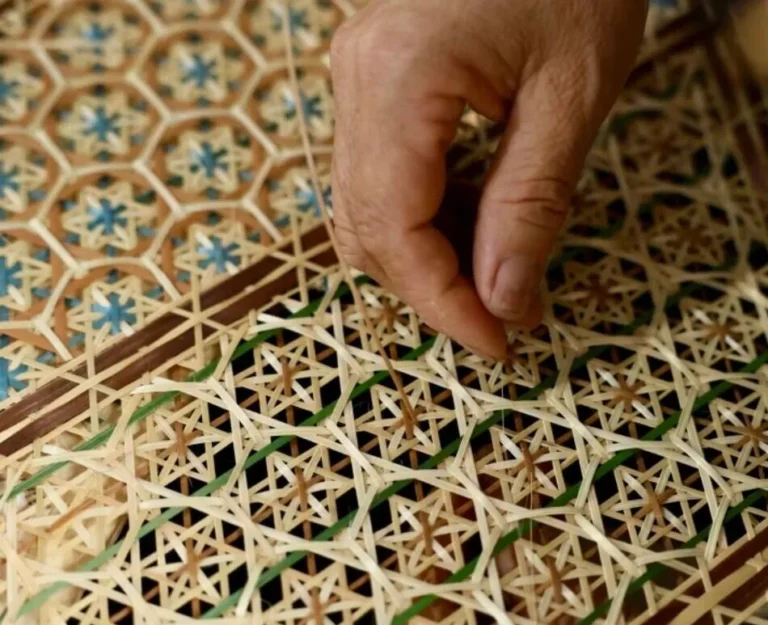
Local reporting documents traditional trades, including ironwork and bamboo weaving, alongside cafés and bookshops. What is open—and whether someone is actually working—will vary. Treat a workshop as someone’s workplace: ask before stepping inside or photographing a craftsperson. finance.sina.com.cn
Continue toward the Yangliu River (杨柳河) and Renmin Bridge (人民桥)—the bridge named in People’s Daily’s account of the teahouse—for a change of scene. Choose an accessible public riverside stretch rather than assuming there is a continuous, step-free promenade. For another tea stop, compare the seats and posted prices at the businesses you pass. 到“观音阁”泡“老成都”
Yongfeng Teahouse (永丰茶社) is another established tea stop to look up nearby. Check the room for yourself before sitting down; being less famous does not guarantee it will be quieter.
Yuanxiang Bookstore (沅乡书局) and Kandi Coffee (刊笛咖啡) show the newer side of the neighborhood. Both have appeared in local reporting on Pengzhen’s reading and café spaces. As of September 2026, check their current listings or ask locally before making either a fixed stop; do not assume English-language books or scheduled activities are available. finance.sina.com.cn
If you encounter photography displays, enjoy them as a bonus. Pengzhen has hosted photography events, but past exhibitions do not establish a permanent display or a confirmed annual schedule. m.cpanet.cn
Optional autumn detour: Yinrong Garden (银榕园) appears in local accounts of ginkgo outings. Check current visitor access, leaf conditions and the route separately; do not assume it is a free, five-minute extension of the old-street walk. www.sohu.com
Choose a morning when you can linger. A weekday is a sensible preference if your schedule is flexible, although it cannot guarantee a quiet room. Weekends and public holidays can bring busy lanes and full tables; Pengzhen is a known day-trip destination, not a secret village. You do not need to chase a pre-dawn opening time to enjoy the visit.
As of September 2026, a dependable current operator-published opening schedule could not be confirmed. Ask your hotel to call the venue if you plan an unusually early or late arrival. The open streets and the individual businesses do not share a single operating schedule.
Spring and autumn are comfortable seasons to consider; check the forecast rather than assuming a clear morning. Sunbeams inside the teahouse depend on the weather, and cloudy days can still be enjoyable.
The old-street walk is generally not a ticketed sightseeing circuit; tea, food and other purchases are separate. Hangzhou Daily’s April 2025 account records CNY 10 per visitor for tea and photography. Treat that as a reported reference price, not a guaranteed current tariff or permission to photograph everyone. mdaily.hangzhou.com.cn
Before sitting down, ask what the price includes, whether refills are included and whether any separate photography arrangement applies. Prepare your preferred payment method beforehand with our Alipay setup guide, and carry a small cash backup.
Guanyin Pavilion → Yongfeng Street and Mashiba Street → Yangliu River → lunch → optional bookstore or café.
This is a flexible sequence, not a signed walking circuit; adjust the order to your chosen restaurant’s map pin.
| Suggested time | Stop | How to use the time |
|---|---|---|
| 8:30–9:45 a.m. | Guanyin Pavilion | Order tea, settle in and take photographs considerately. |
| 9:45–10:30 a.m. | Old streets and side lanes | Browse open shops and traditional trades without entering private courtyards. |
| 10:30–11 a.m. | Yangliu River | Take a short walk or pause near the bridge. |
| 11–12 noon | Lunch | Choose one restaurant rather than trying to fit in every recommendation. |
| After lunch, optional | Bookstore, café or another tea seat | Extend the visit if you are enjoying it; otherwise return to Chengdu. |
These are suggested timings, not business hours. Late risers can shift the route toward lunch and an afternoon tea stop; the trip is not ruined because you missed the morning light.
If you want more walking after returning downtown, choose a nearby route from our Chengdu city-walk guide rather than adding another distant excursion.
Ask what tea is available, point to your choice and order one bowl per person unless staff suggest otherwise. A gaiwan is a lidded tea bowl: move the lid slightly aside to hold back the leaves, and let the hot tea cool before sipping.
| What you want to say | Show this to staff |
|---|---|
| One bowl of tea, please. | 请来一碗茶。 |
| How much per person? | 一个人多少钱? |
| Are hot-water refills included? | 续水包含在茶钱里吗? |
| May I take a photo? | 可以拍照吗? |
Ask staff for help with hot-water refills rather than reaching around the stove or moving a kettle yourself.
Keep lunch part of the outing. The most useful choices are three different experiences: a warming bowl of soup, a busy Sichuan restaurant or a lighter spring-roll-and-maocai stop.
As of September 2026, the names below are supported by local reporting and visitor listings, but current menus and prices should be checked on arrival. CNY 30–60 per person is a suggested allowance for a modest lunch, not a quoted set price; ordering several dishes as a solo traveler can cost more.
| Place to search | What to consider ordering | What foreign visitors should know |
|---|---|---|
| Zhou Tihua — 周蹄花 | Snow-bean pork-trotter soup, 雪豆蹄花 | Trotters contain skin, connective tissue and bones; this is not a bowl of lean pork. Ask for chili dipping sauce separately if you want control over the heat. |
| Li Sige Restaurant — 李四哥饭店 | Pork liver and kidney stir-fry, 肝腰合炒 | This is offal. Brain-and-tofu dishes, 脑花豆腐, contain pork brain; translate before ordering. |
| Sandairen Traditional Maocai — 三代人传统冒菜 | Red-oil spring rolls, 红油春卷, or a bowl of maocai | The spring rolls are dressed rolls, not the familiar crisp fried version. Peanut and sesame toppings may be used. |
Visitor accounts describe Li Sige using a counter-pickup system at busy times, with freshly cooked dishes taken as they appear. Ask staff whether to order or collect dishes, and how plates are priced, before joining the flow. Do not interpret enthusiastic descriptions of “grabbing food” as a reason to push past other customers. www.sina.cn
At a self-selection maocai shop, the usual sequence is to take a bowl, select ingredients and have them weighed or priced before cooking. Check the rate first and ask whether meat and vegetables are charged differently. If you want only the spring rolls, ask for those separately.
For dessert, look for bingfen (冰粉), a jelly dessert with sweet toppings, or douhua (豆花), soft tofu served in different sweet or savory preparations. Choose from the displayed menu rather than assuming every stall offers the same recipe.
Ordering tip: 少辣 means “less spicy”; 不放辣椒 means “no chili.” If you have a food allergy, show a clear translated statement and ask about sauces, toppings and shared preparation. A vegetable filling alone does not establish that a dish is suitable for your diet.
Start by being a customer. Put the camera down, order tea and give yourself time to understand the room.
In his published account, Li Qiang specifically asked photographers to turn off camera assist lights because they bother elderly patrons. Keep flash and bright video lights off, too. mdaily.hangzhou.com.cn
The textures, roof structure, tea bowls and your own table offer plenty to photograph without making another customer the subject. If a special pouring demonstration is offered, agree on any charge first; do not build your visit around an unconfirmed performance schedule.
| Your priority | Better starting choice | Why |
|---|---|---|
| A dedicated morning of old-town tea culture | Pengzhen | The journey makes sense when the neighborhood itself is your outing. |
| A first tea break between central sights | A teahouse in People’s Park | Easier to fit into a short city itinerary. |
| Shopping and tea in one compact outing | Kuanzhai Alley | Better suited to browsing and a more commercial visitor setting. |
For individual alternatives, compare our Chengdu teahouse selections. Pengzhen earns its place when you want time in one neighborhood; it need not compete with every central stop on your itinerary.
A: No, a self-guided visit is practical if you are comfortable arranging transport and using a translation app. A guide can add historical context and help with conversations, but an English-speaking host or formal tour is not something to assume the teahouse provides.
A: Do not assume step-free access throughout the old buildings and lanes. Ask your hotel to confirm the current entrance, seating and toilet arrangements directly with the venue; a direct car ride reduces transfers but does not resolve access inside.
A: No fixed weekly program has been reliably confirmed for this guide as of September 2026. Ask the venue about the date, start time and any charge; treat an event as an optional addition rather than the reason for a long journey.
A: Ask staff whether the tea you enjoyed is available to buy; do not assume Guanyin Pavilion runs a retail tea shop. If tea is offered, confirm its name, package weight and price before paying. For a wider selection or a guided tasting, plan a separate visit to a specialist tea retailer.
A: Visitor accounts describe patrons smoking, so do not assume a smoke-free indoor setting. As of September 2026, a current venue smoking policy has not been confirmed. If smoke bothers you, assess the room before ordering and ask about an outdoor seat or choose another café. museumofwander.com
A: Ask staff for the nearest available toilet before settling in for a long visit. Carry tissues, and check directly if you need a seated or accessible toilet; the exact facilities and step-free access have not been verified.
Give Pengzhen a morning when you are ready to stop collecting sights. Choose a seat, order tea, find lunch and leave room for an ordinary street to become the part of Chengdu you remember. The pleasure here is having enough time to notice it.
Researched in September 2026 using heritage documentation, local reporting, the proprietor’s published account, transport notices and visitor listings. These support the main sights and food choices but do not establish live menus, business hours or performance schedules. Suggested timings and meal allowances are planning estimates. Verify current transport and any venue essential to your visit before departure. This is a desk-researched guide compiled from published sources and traveler accounts.
TripChina.me creates practical China travel guides shaped by real local experience, helping independent travelers navigate transport, payments, food, neighborhoods, and the cultural details that make traveling in China easier and more meaningful. Find the guide for your destination at tripchina.me.